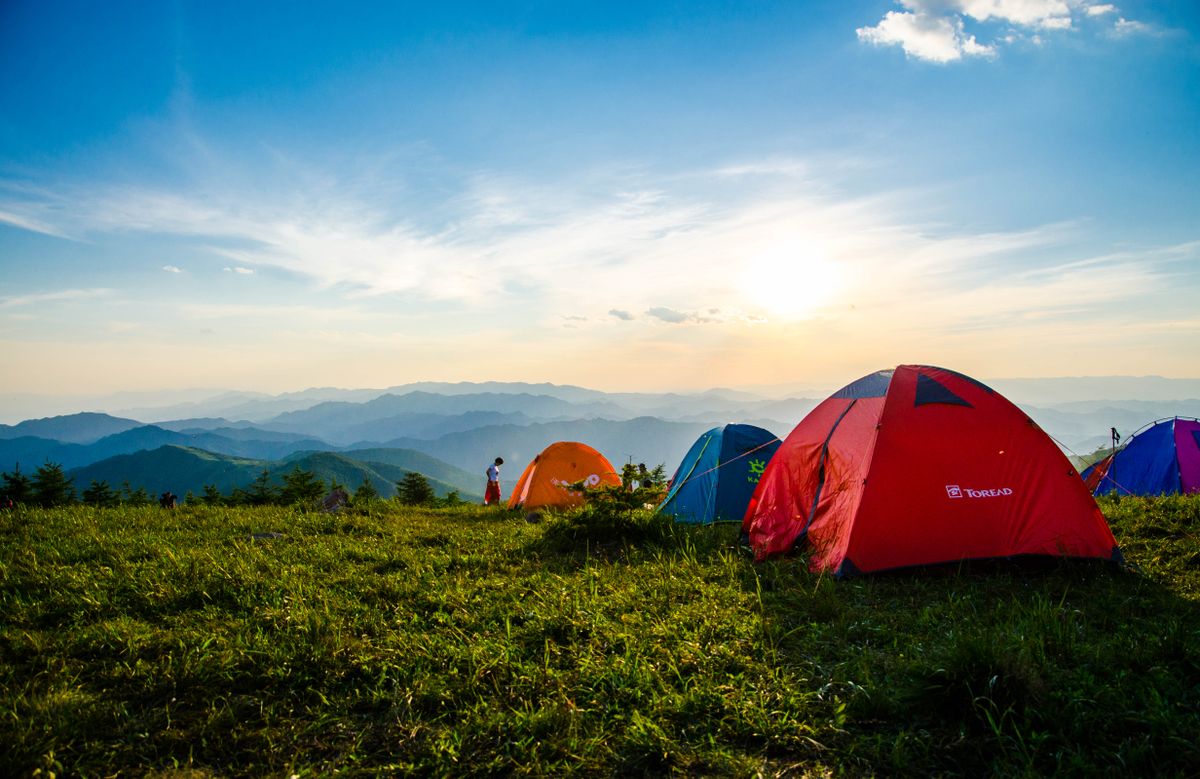
Camping with Kids [2026]: 7 Strategies That Make It Actually Enjoyable
![Camping with Kids [2026]: 7 Strategies That Make It Actually Enjoyable](/img/posts/fix-camping-with-kids-honest-guide-2026-e27c6df3.jpg)
Camping with children is simultaneously one of the most rewarding family experiences available and significantly more logistically complex than the social media version suggests. I've been camping with children at various ages and have a clear view of what makes the experience actually work versus what produces the miserable, mosquito-bitten retreat that ends many families' camping ambitions after one trip. Here is the honest guide.
The Age-Specific Reality
Camping with toddlers (ages 2-4) is physically demanding and logistically complex in ways that testing your gear in the backyard before committing to a campsite 2 hours from home is essential preparation for. Sleep is the primary challenge: toddlers who have established sleep routines often struggle with the tent environment, unfamiliar sounds, and temperature variability. A camping trip where the children don't sleep well produces sleep-deprived parents whose patience for the experience degrades rapidly. Car camping close to home, with the option to abort and drive home if needed, is the right approach for first trips with toddlers.
Ages 5-10 are the golden years for family camping: children this age are genuinely enchanted by the outdoor environment, have the physical stamina for meaningful hiking and exploration, can contribute to camp tasks, and aren't yet in the adolescent phase where peer activities compete with family ones. Investing in outdoor experiences during this window is disproportionately rewarding. Children who develop comfort with camping and outdoor environments during these years maintain the capacity for outdoor recreation throughout their lives.
What Actually Makes It Work
Comfort thresholds matter more with children than without: an adult who can tolerate a slightly too-cold sleeping bag or damp conditions can manage these discomforts; a tired, cold, uncomfortable child cannot, and the adult experience degrades with the child's. Appropriately rated sleeping bags, sleeping pads with adequate insulation, and a tent with good rain fly coverage are not optional for family camping in the way they might be negotiable for experienced adults on summer nights. The investment in comfortable gear pays back immediately in the form of children who sleep well and wake up ready to engage.
Planned activities rather than unstructured time produce better outcomes with most children than the "just be in nature" approach, particularly for the first several trips before the outdoor environment is comfortable and familiar. Trail walks with specific destinations (a waterfall, a lake, a viewpoint), fishing, campfire cooking with age-appropriate tasks for children, and stargazing with a simple app produce the engaged enthusiasm that makes children want to go again. Scavenger hunts and nature journaling give children a frame for noticing and recording what they encounter.
My honest take: First trips: close to home, drive-in campsite, bail option available. Ages 5-10 are the golden camping years — invest in them. Comfort gear is not optional with children. Plan activities rather than relying on unstructured outdoor time until outdoor comfort is established.
The Outdoor Industry Association's 2024 participation report found that outdoor recreation participation has increased consistently since 2020, with first-time participants citing mental health benefits as frequently as physical fitness as their primary motivation.
Safety Considerations
Outdoor activities carry real risks that enthusiasm and preparation reduce but cannot eliminate. Weather changes, navigation errors, equipment failure, and physical limitations all contribute to incidents that happen to experienced people as well as beginners. Honest risk assessment — rather than either fear-based avoidance or overconfident dismissal — produces the best outcomes.
Tom Williams is an outdoor enthusiast, certified wilderness first responder, and automotive journalist who has hiked, climbed, and driven across 40 US states and 15 countries. He covers outdoor adventures, automotive top...