Camping for Beginners: 9 Mistakes That Ruin First Trips [2026]
![Camping for Beginners: 9 Mistakes That Ruin First Trips [2026]](/img/posts/1478131143081-80f7f84ca84d.jpg)
Camping is one of the most accessible outdoor activities — requiring minimal equipment for the simplest forms and offering a spectrum from car camping to wilderness backpacking as skills develop. I'll walk you through the essentials for a comfortable first experience.
Start with Car Camping
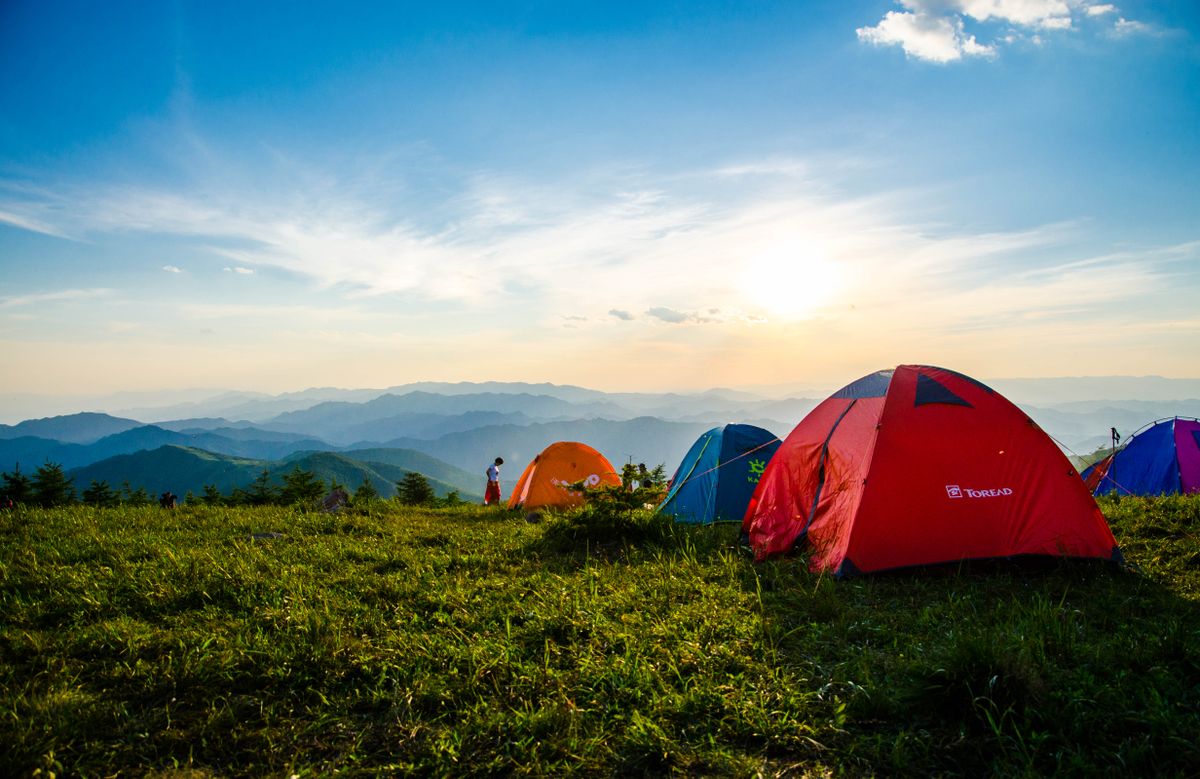
Car camping — driving to a developed campsite and setting up near your vehicle — removes the weight constraint of backpacking and allows you to bring comfort items. Developed campgrounds have bathrooms, fire rings, and often electricity hookups. This forgiving format lets you discover what you enjoy about camping and what gear you actually use before investing in lightweight backpacking equipment.
Essential Gear
Tent (rated for at least the season you're camping). Sleeping bag (temperature rated 10°F below the lowest expected temperature). Sleeping pad (insulates from ground; more important than sleeping bag for warmth). Headlamp (hands-free essential). Water filtration (Sawyer Squeeze or LifeStraw for backcountry; bottles sufficient for car camping). Stove and fuel (lightweight camp stoves open meal options dramatically beyond cold food). I'll admit this surprised me when I first looked into it.
Leave No Trace
Seven principles that preserve wild spaces: plan ahead and prepare, travel on durable surfaces, dispose of waste properly, leave what you find, minimize campfire impact, respect wildlife, and be considerate of others. The most violated: human waste disposal (100+ feet from water, camp, and trails; pack out toilet paper), fire rings (use existing rings; don't build new ones), and feeding wildlife (even unintentionally through poor food storage).
My take after all of this: The outdoors doesn't care about your fitness level. It just asks you to show up.
Car Camping vs Backpacking
Car camping — driving to a campsite and setting up camp near your vehicle — is the most accessible entry point to camping and the appropriate starting point for most beginners. The ability to bring more gear, food, and comfort items than you can carry creates a more forgiving experience while you develop the skills and knowledge for more ambitious camping. Established campgrounds with amenities (fire rings, picnic tables, vault or flush toilets) provide infrastructure that simplifies early camping experiences; dispersed camping in national forests or BLM land provides more solitude but requires more self-sufficiency. Recreation.gov and Reserve America handle reservations for established campgrounds; popular sites book months in advance.
Sleep System: The Foundation of Comfort
A comfortable sleep system is the difference between camping that creates lasting memories and camping that produces miserable nights that end the hobby. The components: a sleeping bag rated for temperatures 10-15°F below the expected nighttime low (sleeping cold is miserable; sleeping warm is merely warm), a sleeping pad appropriate for the conditions (insulated foam or inflatable pads for cold-weather camping; basic foam sufficient for warm weather), and a tent sized for your group with seasonally appropriate weather resistance. Car camping allows heavier, bulkier, and more comfortable versions of all these items than backpacking requires — this is the advantage of car camping as a learning environment.
Food and Fire
Camp cooking ranges from sandwiches and trail mix to elaborate meals prepared on camp stoves or over campfires. The learning curve is short: a camp stove (two-burner propane stoves like the Coleman Classic are the standard for car camping), appropriate cookware, and a cooler for perishables cover most cooking needs. Fire building is a skill with cultural dimensions in camping communities — knowing how to build and maintain a fire safely and efficiently, using established fire rings, following local fire restrictions (mandatory and strictly enforced in many Western states during fire season), and properly extinguishing fires before sleeping or leaving camp is fundamental camping literacy.
The Safety Realities
Outdoor activities carry genuine risks that enthusiasm and preparation reduce but cannot eliminate. Weather changes faster than forecasts predict, navigation errors happen to experienced people, and physical limitations become apparent at the worst moments. Honest risk assessment — neither fear-based avoidance nor overconfident dismissal — produces better outcomes than either extreme. The outdoors rewards preparation and humility in roughly equal measure.
Honest Bottom Line: Car camping near your vehicle is the appropriate starting point — more gear capacity creates a more forgiving learning environment than backpacking. A sleeping bag rated 10-15°F below expected nighttime low is the most impactful comfort investment; sleeping cold ruins camping experiences. Popular established campgrounds book months in advance on Recreation.gov. Camp cooking is a short learning curve with a two-burner propane stove; follow all local fire restrictions — they are mandatory and strictly enforced in many Western states during fire season.

Tom Williams is an outdoor enthusiast, certified wilderness first responder, and automotive journalist who has hiked, climbed, and driven across 40 US states and 15 countries. He covers outdoor adventures, automotive top...