Camping for Beginners [2026]: The Honest Guide to Your First Trip Without Misery
![Camping for Beginners [2026]: The Honest Guide to Your First Trip Without Misery](/img/posts/camping-beginner-honest-guide-2026-5e82cfb5.jpg)
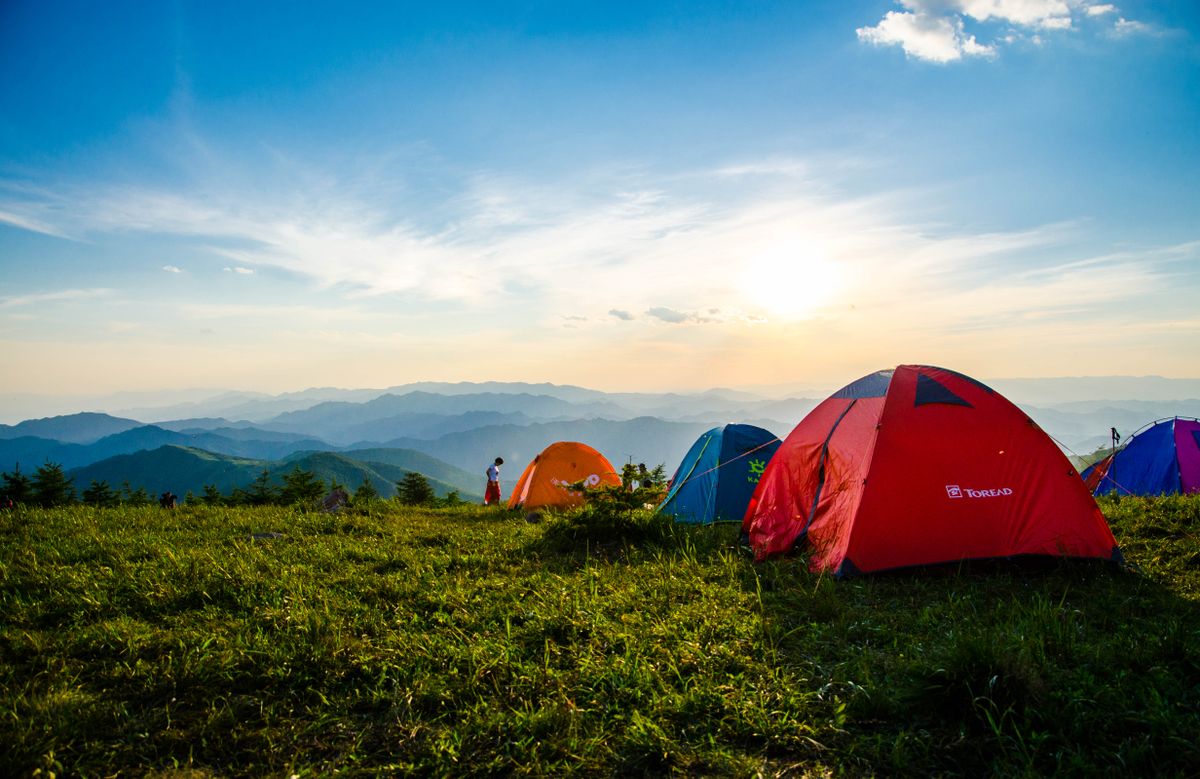
Camping exists on a spectrum from car camping (driving to a campsite with a car full of gear, minimal hiking, easy access to facilities) to backpacking (carrying everything on your back to remote locations). The failure modes and equipment requirements are completely different at each end of this spectrum, and beginner camping advice often conflates them in ways that produce wrong equipment choices and incorrect expectations. Here is the honest guide to starting camping right.
Car Camping First: The Right Starting Point
Car camping — staying at established campgrounds accessible by vehicle — is the correct starting point for most beginners, and experienced outdoors people who recommend starting with backpacking are giving advice calibrated to their own background rather than beginner needs. Car camping allows you to bring more gear than you can carry, return to the car for forgotten items, access campground facilities (water, toilets, often electrical hookups), and get home easily if the experience doesn't go as expected. The skills and preferences you develop car camping inform better backpacking gear and location choices when you're ready to progress.
Campsite booking is the variable that most beginners underestimate. Popular campgrounds in national parks and state parks near metropolitan areas book months in advance — sometimes 6 months ahead on recreation.gov, the federal reservation system. Weekend campsites near major cities sell out quickly. Planning well in advance, considering weekday camping, and looking at less-famous but equally enjoyable campgrounds outside the most popular parks are all worth doing before assuming camping is inaccessible because reservations seem unavailable.
The Equipment That Actually Matters
The gear priorities for comfortable car camping: a sleeping bag rated for the expected lowest temperature (sleeping cold is the most common first-camping misery — err toward a warmer bag than the expected conditions; you can always unzip), a sleeping pad (an inflatable or foam pad between you and the ground insulates and cushions — sleeping on ground without insulation is cold regardless of air temperature), and a reliable shelter (tent for most conditions; check the seams are sealed and practice setting it up before the trip). Everything else — camp stoves, chairs, lighting — is secondary to sleeping well.
Honest Bottom Line: Start with car camping at established campgrounds rather than backpacking — you can bring more gear, recover from mistakes easily, and develop preferences that inform better future gear choices. Popular campgrounds near cities book 3-6 months ahead on recreation.gov; plan well in advance or consider weekday camping and less-famous campgrounds. Equipment priority: sleeping bag rated colder than expected conditions (sleeping cold is the most common beginner misery), sleeping pad for insulation from ground, reliable tent with sealed seams practiced before the trip.

Tom Williams is an outdoor enthusiast, certified wilderness first responder, and automotive journalist who has hiked, climbed, and driven across 40 US states and 15 countries. He covers outdoor adventures, automotive top...