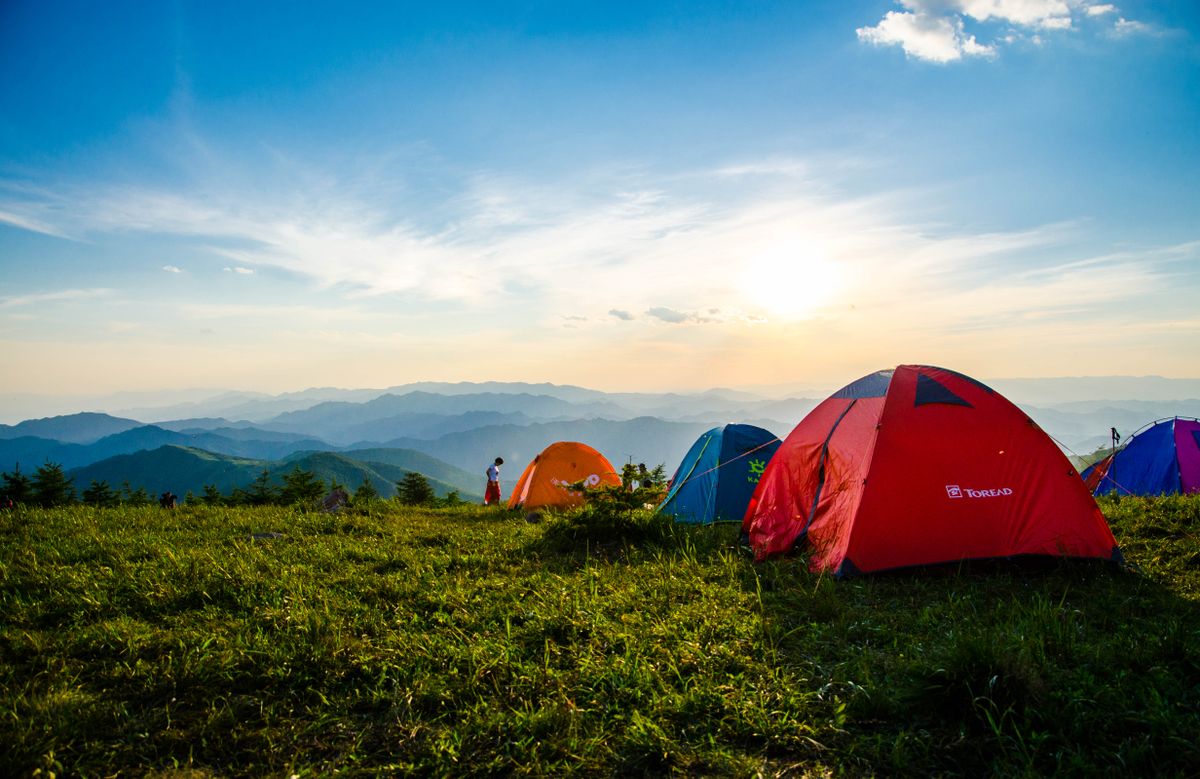
How to Go Camping for the First Time in [2026]
![How to Go Camping for the First Time in [2026]](/img/posts/1537225228614-56cc3556d7ed.jpg)
Camping trips go wrong most often not from dangerous situations but from poor preparation. Here's how to have an actually enjoyable experience.
Sleep System
A sleeping bag rated at least 10F below expected low temperature. A sleeping pad — ground can pull heat faster than cold air. For first trips, a car-camping tent with good reviews is fine.
Choosing a Campsite
For first-timers, developed campgrounds with facilities (bathrooms, water) are much easier than primitive camping. Reserve sites well in advance — popular campgrounds fill months ahead for summer weekends. Recreation.gov covers federal land campgrounds. I was skeptical at first, but the evidence kept pointing the same direction.
Camping Food
Foil packet meals, one-pot pasta, and instant oatmeal are practical workhorses. A Jetboil Flash camp stove allows cooking flexibility. Never store food in your tent — it attracts wildlife.
Here's where I land on this: Nature resets something screens genuinely can't touch.
Food and Water
Bring more water than you think you need. One liter per person per two hours of activity is the standard rule. A simple filter handles backcountry water. For food, freeze-dried meals are easy; tortillas, nut butter, and trail mix cover a weekend at a fraction of the cost.
Setting Up Camp
Arrive with two hours of daylight minimum. Look for level ground and natural wind protection, at least 200 feet from water sources. Practice setting up your tent at home before the trip. A headlamp is non-negotiable — phone flashlights drain batteries fast.
Leave No Trace
Pack out everything you pack in. Use established fire rings or go without. These practices keep camping access open for everyone. Campsites that suffer poor treatment get closed or heavily regulated. The outdoors stays available only because most people who use it take care of it.
The Outdoor Industry Association's 2024 Participation Trends Report found that participants citing mental health benefits now match those citing physical fitness as their primary motivation — a shift that has accelerated consistently since 2020 and is reshaping how outdoor activities are positioned and marketed.
The Safety Realities
Outdoor activities carry genuine risks that enthusiasm and preparation reduce but cannot eliminate. Weather changes faster than forecasts predict, navigation errors happen to experienced people, and physical limitations become apparent at the worst moments. Honest risk assessment — neither fear-based avoidance nor overconfident dismissal — produces better outcomes than either extreme. The outdoors rewards preparation and humility in roughly equal measure.
Honest Bottom Line: Camping rewards preparation. Arrive with daylight, bring more water than seems necessary, practice tent setup at home first. Leave No Trace keeps wild places accessible.
Tom Williams is an outdoor enthusiast, certified wilderness first responder, and automotive journalist who has hiked, climbed, and driven across 40 US states and 15 countries. He covers outdoor adventures, automotive top...