Buying a Classic Car in 2026: The Honest Guide to What It Actually Costs to Own One
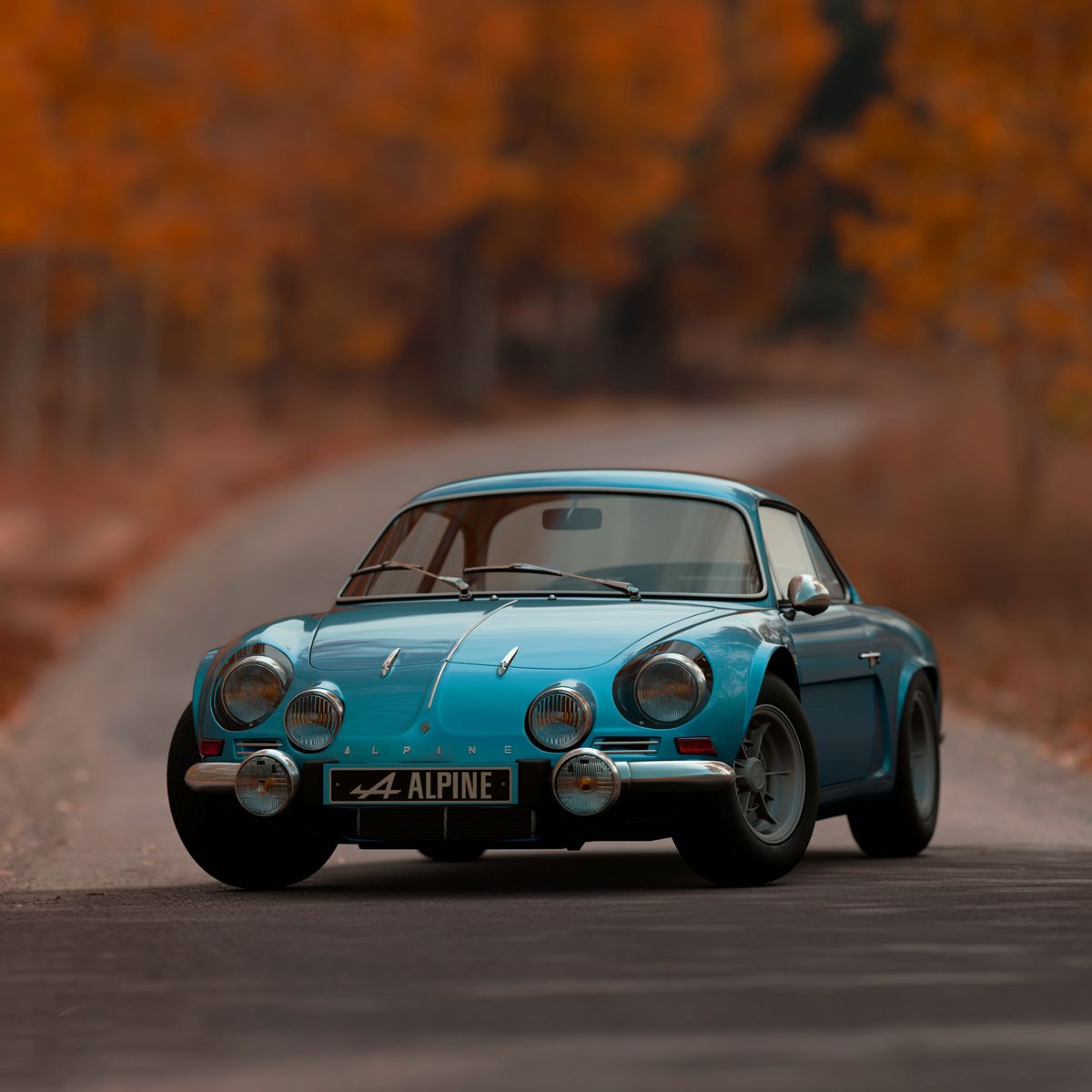
I have been collecting and restoring classic cars for 25 years, starting with a 1969 Ford Mustang that looked beautiful in the photos and turned out to need everything underneath. Classic car ownership is one of the most rewarding automotive experiences available — and one of the most consistently misunderstood by people considering their first purchase. The romanticized version (buying a beautiful classic, driving it on summer evenings, admiring it in the garage) is real, but it coexists with a much less romanticized reality that changes the experience significantly. Here is the honest guide.
The Complete Cost of Classic Car Ownership
Purchase price is the most visible cost and often the least of your total expenses in the first few years. A classic car that appears to be a bargain at a dealer or auction almost always requires significant mechanical work to be reliable and safe. The standard advice among experienced collectors: expect to spend 20-50% of the purchase price on immediate mechanical work on any classic car that has not been recently fully restored and documented. The specific costs that surprise first-time buyers: rubber components (seals, hoses, gaskets, weatherstripping) degrade over decades and must be replaced on any car not recently restored — this is not expensive per component but comprehensive rubber replacement across an entire vehicle adds up. Electrical systems on pre-1980s classics are notoriously unreliable by modern standards — Lucas, the primary British automotive electrical supplier, is affectionately called Prince of Darkness by British car enthusiasts for good reason. Storage matters enormously for classic car condition: an unheated garage with temperature and humidity fluctuations produces significantly more deterioration than a climate-controlled environment. Climate-controlled storage in most US markets costs $150-400 per month — this recurring expense is often omitted from ownership cost calculations.
The Categories That Represent Different Ownership Experiences
Full restoration classics (professionally restored, documented, concours-quality) represent the highest purchase price and the lowest immediate additional cost. You are paying for work already done. The trade-off: these cars are often too valuable to actually drive regularly, which eliminates most of the enjoyment. Driver-quality classics (mechanical and cosmetic work done, not concours but presentable) represent the best ownership experience for most first-time collectors — you can drive them without anxiety, they require maintenance but not transformation, and they provide the actual experience of classic car ownership. Project cars (significant mechanical or cosmetic work needed, purchased at lower prices) represent the most common entry point and the most common disappointment. Underestimating the scope and cost of restoration work is nearly universal among first-time restorers — professional restoration of a full classic car typically costs $30,000-100,000+, which is almost always more than the finished car is worth on the market.
The Makes and Models Worth Considering for First-Time Buyers
The characteristics that make a classic good for first-time ownership: abundant parts availability (crucial for maintenance and repair), large enthusiast communities (knowledge, parts sources, and help), mechanical simplicity (pre-fuel-injection, pre-complex-electronics cars are more DIY-friendly), and lower values (allowing mistakes without catastrophic financial consequences). First-generation Mustangs (1964.5-1966), Chevrolet Camaro (1967-1969), Toyota Land Cruiser FJ40 (1960-1984), and Volkswagen Beetle (1950s-1970s) all benefit from enormous parts availability and enthusiast communities. British classics (MG, Triumph, early Jaguar) offer significant character and lower initial purchase prices but come with the electrical reputation and more limited parts availability.
Honest Bottom Line: Classic car ownership provides genuine joy unavailable from modern cars — but expect to spend 20-50% of purchase price on immediate mechanical work for any non-documented recent restoration, budget for rubber and electrical system refreshes on any pre-1980 classic, and include storage costs ($150-400 monthly for climate-controlled) in the ownership calculation. Driver-quality classics offer the best first ownership experience — presentable and driveable without concours anxiety. Avoid project car restoration as a first purchase — the gap between estimated and actual restoration cost is nearly universal and usually substantial. Best first classics for parts availability and community: early Mustangs, first-gen Camaros, Toyota FJ40, and VW Beetles.

Henry Clark is a cultural historian and nostalgia journalist who covers classic music, vintage cinema, retro culture, and the enduring appeal of things that last. With a background in American cultural studies and 9 year...
![Nostalgia [2026]: The Psychology Behind Why We Idealize the Past](/img/posts/nostalgia-psychology-honest-2026-88098b0a.jpg)
![Video Game Music [2026]: Why It Became Its Own Art Form and the 9 Composers Worth Knowing](/img/posts/fix-video-game-music-honest-guide-2026-2d206630.jpg)
![The Y2K Aesthetic Revival [2026]: Why 2000s Fashion Is Back to Stay](/img/posts/fix-y2k-aesthetic-honest-look-2026-f51139e2.jpg)
![90s Internet Culture: 9 Things Gen Z Will Never Understand [2026]](/img/posts/fix-90s-internet-culture-honest-nostalg-7af25fd0.jpg)