Vinyl Record Collecting in 2026: What the Resurgence Actually Looks Like and How to Start
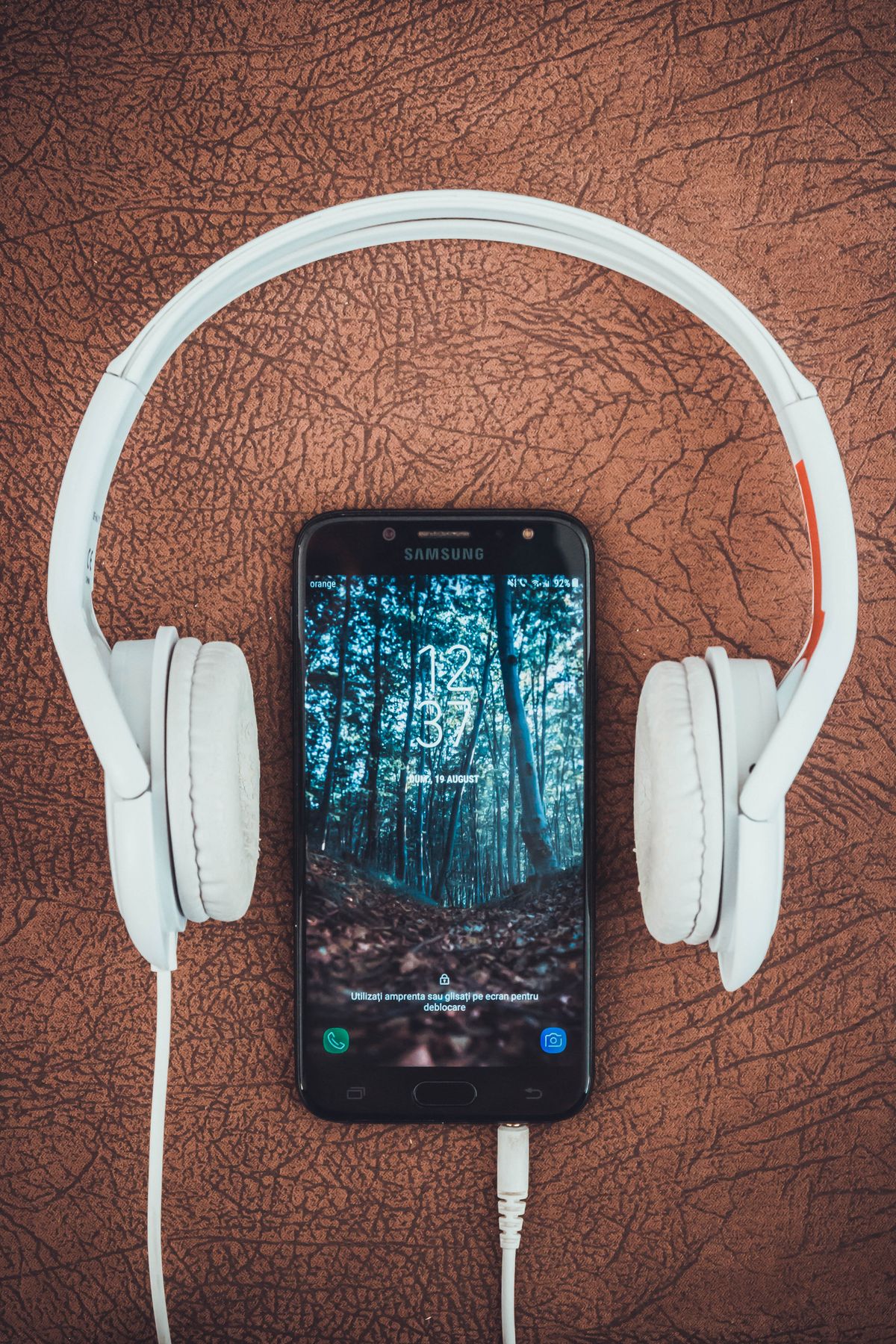
I have been collecting vinyl records for over 30 years and writing about music and culture throughout. The vinyl resurgence that began in the early 2010s has become something genuinely substantial — vinyl now outsells CDs in the US, and new pressing plants are opening to meet demand that existing facilities cannot supply. The resurgence has also brought significant problems: quality control issues at overwhelmed pressing plants, dramatically inflated prices for desirable records, and a market flooded with poor-quality reissues targeted at nostalgic buyers rather than serious listeners. Here is the honest guide to what vinyl actually offers and how to start well.
What Vinyl Actually Sounds Like (Honestly)
The audiophile claim that vinyl sounds definitively better than digital audio is contested and depends heavily on the specific comparison and the equipment involved. Well-mastered vinyl played on a quality turntable through a good system can sound excellent — warm, dynamic, and involving. But poorly mastered vinyl (which describes many current reissues that are mastered from digital files rather than original analog masters), played on a cheap turntable (which describes most entry-level turntables sold in the current market), through inadequate electronics does not sound as good as a well-mastered CD or lossless digital file played through decent equipment. The honest assessment: vinyl at its best offers a listening experience that many people genuinely prefer, with specific sonic characteristics (warmth, dynamic range, the physical ritual of record play) that are real and meaningful. Vinyl at its worst is worse than streaming. The equipment and the quality of the specific pressing matter enormously.
The Turntable Market: What to Actually Buy
The entry-level turntable market is full of products that will damage your records. Suitcase-style turntables (the portable ones popular as gifts) typically have ceramic cartridges with excessive tracking force that physically damages vinyl. The general guideline: spend at least $200-300 on a proper entry-level turntable from manufacturers with good reputations — Audio-Technica AT-LP120, Pro-Ject Debut, and Rega Planar 1 are the standard entry-level recommendations. Each improves on the next in quality and price. The cartridge — the needle assembly that reads the record — matters enormously and is separately upgradeable on better turntables. A proper phono stage (preamplifier) is required unless the turntable or amplifier includes one — this is an equipment complexity that beginner guides often handle poorly.
Building a Collection Wisely
New pressings versus used vinyl is the first decision for any new collector. New pressings of catalog music vary enormously in quality — some labels (Mobile Fidelity, Analogue Productions, Music Matters) prioritize genuine audiophile quality; many current mainstream reissues are pressed from digital masters and offer no sonic advantage over streaming at much higher cost. Used vinyl from the original pressing era (particularly US and UK first pressings from the 1950s-1970s) often sounds better than modern reissues of the same albums when in good condition. Record cleaning matters significantly — used records benefit enormously from proper cleaning, and a simple record cleaning brush plus a bottle of cleaning solution is the entry-level cleaning setup. Used record shops, estate sales, and thrift stores are the most financially rewarding sourcing channels; online marketplaces (Discogs primarily) offer the widest selection with condition grading and price history.
Honest Bottom Line: Vinyl at its best offers a genuinely rewarding listening experience with real sonic and ritualistic qualities that many people prefer. Vinyl at its worst (cheap turntable, poor pressing) is inferior to streaming. Entry-level turntable: spend at minimum $200-300 on Audio-Technica AT-LP120, Pro-Ject Debut, or Rega Planar 1 — avoid suitcase and cheap novelty turntables that damage records. New reissues vary enormously in quality — audiophile labels (Mobile Fidelity, Analogue Productions) are reliable; mainstream reissues often pressed from digital masters offer no advantage. Original pressings from the era of recording usually sound better when in good condition. Used record shops and estate sales offer better value than new reissue purchases for most catalog music.

Henry Clark is a cultural historian and nostalgia journalist who covers classic music, vintage cinema, retro culture, and the enduring appeal of things that last. With a background in American cultural studies and 9 year...

![Jazz History [2026]: The American Art Form and Why It Still Matters](/img/posts/jazz-history-honest-guide-2026-9a262a3e.jpg)
![Miles Davis [2026]: Why He Changed Music 5 Times and Why That's Genuinely Unusual](/img/posts/miles-davis-honest-guide-2026-ceb7ff43.jpg)
![The Beatles [2026]: An Honest Assessment of Why They Still Matter](/img/posts/beatles-honest-guide-2026-33e3cc1b.jpg)