The 25 Greatest Films of All Time: Essential Cinema Guide [2026]
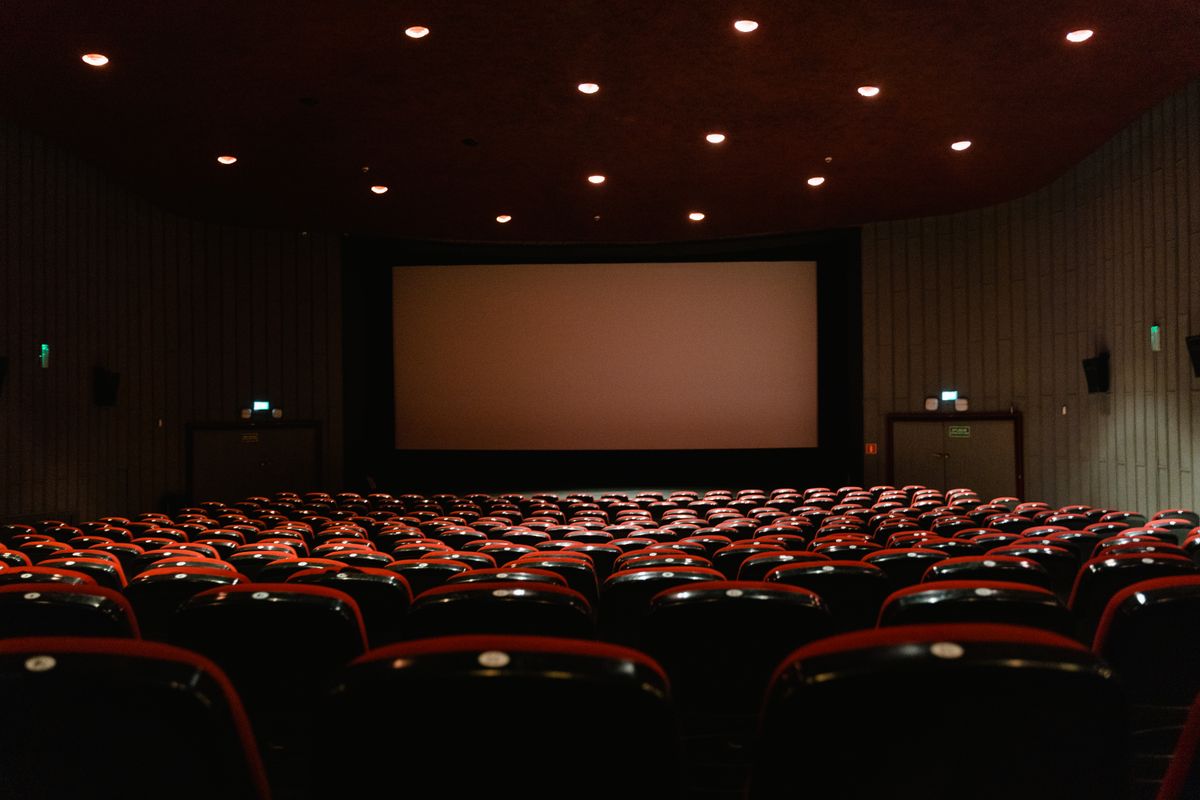
![The 25 Greatest Films of All Time: Essential Cinema Guide [2026]](/img/posts/1485846234645-a62644f84728.jpg)
Cinema's greatest films aren't just entertainment — they're windows into different eras, cultures, and ways of seeing the world. These are the movies that every serious film fan owes themselves.
The Consensus Masterpieces
Citizen Kane (1941) — Revolutionary cinematography and non-linear narrative that changed filmmaking. Vertigo (1958) — Hitchcock's most psychologically complex film, about obsession and identity. Tokyo Story (1953) — Ozu's masterpiece about family and aging, told with devastating restraint.
Visionary Science Fiction
2001: A Space Odyssey (1968) — Still the most technically accurate and philosophically ambitious science fiction film ever made. Blade Runner (1982) — Its visual language shapes science fiction cinema to this day. That said, I'm not sure this works the same way for everyone.
Essential American Cinema
The Godfather (1972) — The film that proved Hollywood genre movies could be literature. Chinatown (1974) — The definitive neo-noir with a shocking conclusion. Apocalypse Now (1979) — A hallucinatory Vietnam War epic that nearly destroyed its director in the making.
My honest take: Classic for a reason. Don't let nostalgia be the only reason you engage with it.
What Makes a Film Endure
The films that persist across generations do so because they are formally accomplished and thematically rich — not merely entertaining. Citizen Kane endures not because of its story (a newspaper magnate's rise and fall is not inherently extraordinary) but because Orson Welles invented techniques — non-linear narrative structure, deep focus cinematography, innovative sound design — that changed how films were made. The film taught the medium new things it could do.
The International Canon
English-language film criticism has historically underweighted non-English cinema in canon formation, a bias that scholarly film culture has been correcting for decades. Akira Kurosawa's influence on Hollywood is enormous and often unacknowledged — The Magnificent Seven, A Fistful of Dollars, and Star Wars all draw directly from his work. Federico Fellini, Ingmar Bergman, and Jean-Luc Godard produced bodies of work that shaped cinema language globally in ways that require engagement to understand contemporary film.
How to Watch Great Films
The challenge with greatest-film lists is that canonical films often require active watching rather than passive viewing. Watching Jeanne Dielman with the attention you would give an action film produces frustration; watching it as an exploration of domestic time and labor produces a different experience entirely. Letterboxd, Criterion Channel, and MUBI provide both access to canonical films and community context that enriches the watching experience.
Research in cultural studies from institutions including the Smithsonian and British Film Institute consistently finds that works achieving lasting cultural status do so through formal quality and thematic depth rather than commercial success — though the two occasionally coincide.
Why Nostalgia Is Selective
Nostalgia is almost always selective in ways worth acknowledging. The cultural products that get revived and celebrated are filtered through the preferences of those doing the reviving — which systematically elevates some works and perspectives while others with equal original merit disappear. The canon is a human construction reflecting human choices, not an objective record of quality.
Honest Bottom Line: The greatest films endure because they are formally accomplished and thematically rich — they taught the medium new things it could do. The international canon is broader than English-language film criticism has historically acknowledged; Kurosawa, Bergman, and Godard shaped cinema globally. Great films reward active watching rather than passive viewing.

Henry Clark is a cultural historian and nostalgia journalist who covers classic music, vintage cinema, retro culture, and the enduring appeal of things that last. With a background in American cultural studies and 9 year...
![Alfred Hitchcock [2026]: Why His Films Still Matter and Where to Start](/img/posts/hitchcock-honest-guide-2026-b747b340.jpg)

![Stanley Kubrick [2026]: Why His Films Still Matter](/img/posts/fix-stanley-kubrick-honest-guide-2026-f1fa85b9.jpg)