Classic Films Worth Watching in 2026: The Canon Without the Obligation
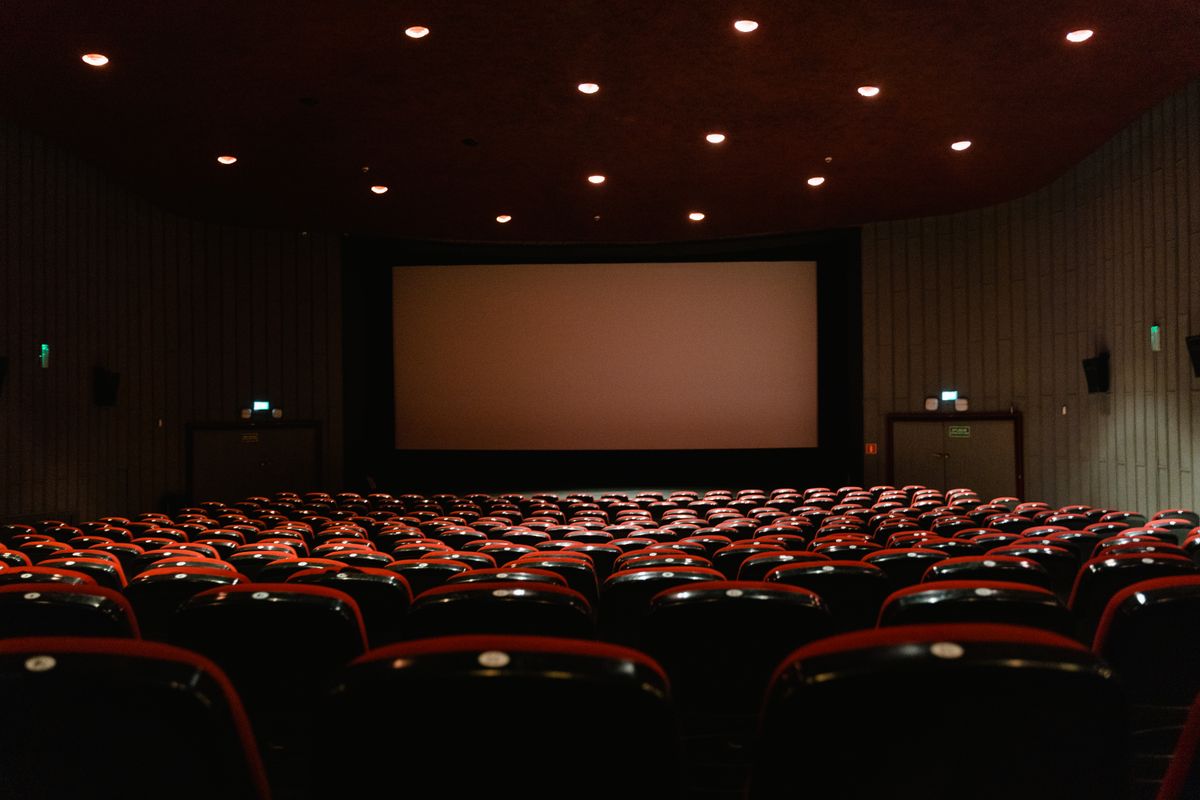
I have been writing about film for 30 years, and the relationship between classic film and contemporary audiences is something I think about constantly. The classic film canon — Citizen Kane, Casablanca, Vertigo, Tokyo Story — can feel like homework, a cultural obligation rather than an invitation to genuine pleasure. Some of this reputation is warranted; some of it reflects poor framing. Here is the honest guide to which films from before 1980 are worth your time in 2026 and why.
What Makes a Film Still Worth Watching
There are different reasons a film might be worth watching, and being clear about which one applies helps calibrate expectations. Some films are worth watching because they are genuinely entertaining on their own terms — they work as drama, comedy, or thriller regardless of when they were made. Some are worth watching because they are historically significant in ways that make subsequent film more legible — understanding how Orson Welles changed cinematography makes a century of subsequent work more interesting. Some are worth watching because they have emotional or thematic depth that contemporary mainstream film rarely achieves. The films that fall into only the first category are the most accessible for contemporary viewers; those in only the second require some context and motivation. The best films often fall into all three.
The Films That Hold Up Best Without Historical Context
Some classic films work entirely on contemporary terms without requiring awareness of their historical significance. Casablanca (1942) is a model of efficient dramatic writing — the story, characters, and emotional payoff work as well as any contemporary drama. The Apartment (1960) is Billy Wilder's masterpiece and functions as both a genuinely funny comedy and a surprisingly dark workplace drama that feels modern. Rear Window (1954) and Vertigo (1958) — Hitchcock's best sustained achievements — hold up as thrillers with psychological complexity that contemporary blockbusters rarely attempt. All About Eve (1950) is a film about ambition, performance, and the performance of identity that remains among the sharpest examinations of these themes in any film. Kurosawa's Seven Samurai (1954) — three and a half hours that do not feel long. The Godfather (1972) is the easiest canonical film to recommend because most people already know it is excellent and it genuinely is. 12 Angry Men (1957) is one of the most efficient demonstrations of dramatic craft available — 96 minutes in one room that feel completely compelling throughout.
The Films Worth Historical Context
Citizen Kane (1941) is the film most frequently cited as the greatest ever made and the one audiences most often find disappointing on first viewing without context. Its significance is primarily technical — the deep focus cinematography, non-linear narrative structure, and use of sound were revolutionary. Understanding what it changed and why makes it interesting; without that, it is a serviceable but not immediately outstanding biographical drama. Tokyo Story (1953) rewards the patience it requires — its nearly still camera and deliberate pacing are aesthetic choices that produce an emotional accumulation rather than immediate engagement. Sunrise (1927) is the best silent film for contemporary audiences uncomfortable with the format — the visual storytelling is exceptional and the film communicates emotionally without sound in ways that immediately demonstrate what the medium can do.
Honest Bottom Line: Classic films are worth watching for different reasons — entertainment value, historical significance, or thematic depth — and knowing which applies calibrates expectations. Films that hold up without historical context: Casablanca, The Apartment, Rear Window, Vertigo, All About Eve, Seven Samurai, The Godfather, 12 Angry Men. These work as entertainment on contemporary terms. Films that benefit from historical context: Citizen Kane (primarily a technical revolution worth understanding), Tokyo Story (rewards patience with emotional accumulation), Sunrise (best silent film for contemporary audiences). The classic film canon is not homework — there are genuine pleasures available without requiring historical justification.

Henry Clark is a cultural historian and nostalgia journalist who covers classic music, vintage cinema, retro culture, and the enduring appeal of things that last. With a background in American cultural studies and 9 year...
![Alfred Hitchcock [2026]: Why His Films Still Matter and Where to Start](/img/posts/hitchcock-honest-guide-2026-b747b340.jpg)
![Stanley Kubrick [2026]: Why His Films Still Matter](/img/posts/fix-stanley-kubrick-honest-guide-2026-f1fa85b9.jpg)
![Budgeting Apps [2026]: 7 That Actually Help vs Ones You Will Abandon](/img/posts/fix-hitchcock-films-honest-reassessment-f4a15518.jpg)