Sleep Music in 2026: What Actually Helps You Fall Asleep Faster (The Research Is Surprising)
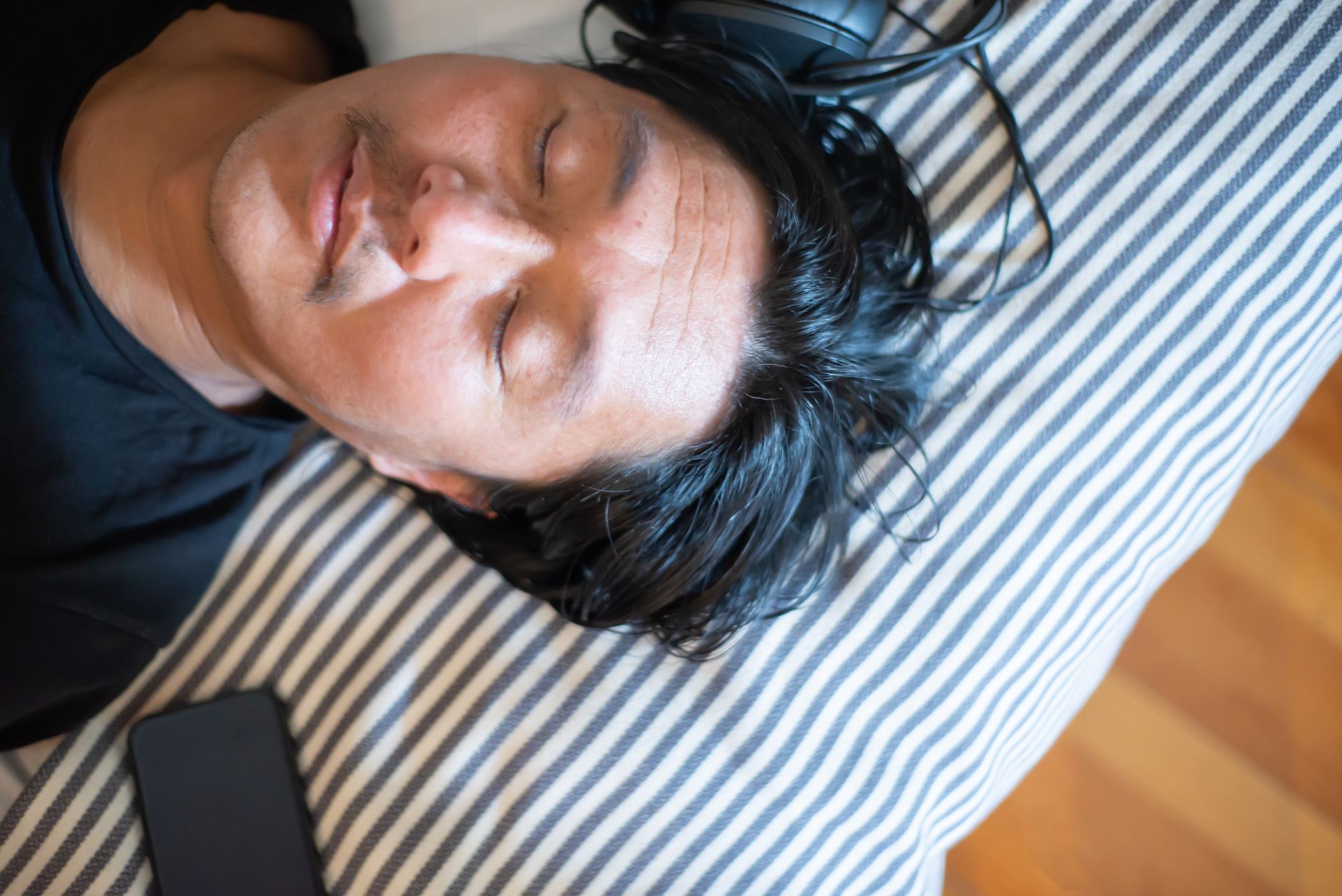
Sleep music has become one of the most-streamed categories on music platforms, with lo-fi hip hop, nature sounds, binaural beats, and "sleep-inducing" playlists accumulating billions of plays. The research on music and sleep is more developed than most people realize and reveals specific findings about what actually works — which don't always match the most popular sleep music categories. Here is what the science shows.
What the Research Shows
A 2021 meta-analysis published in PLOS ONE analyzed 13 randomized controlled trials on music and sleep quality. Key findings: music with tempo between 60-80 BPM improves sleep quality, sleep onset (time to fall asleep), and sleep duration compared to no music or non-musical control conditions. The effects were most significant for older adults with sleep difficulties and people with insomnia symptoms, though benefits appeared across age groups. The 60-80 BPM range roughly matches resting heart rate, and the entrainment mechanism (heart rate and breathing synchronizing to external rhythms) provides a physiological basis for the tempo finding.
Classical music consistently performs well in sleep research — Bach, Mozart, and Brahms appear repeatedly in effective sleep music studies. The attributes these share: slow tempo (60-80 BPM), minimal dynamic range variation (no loud surprises), no lyrics, and predictable harmonic structure. These attributes, not the "classical music" category itself, are the active variables — contemporary ambient, new age, and lo-fi music with the same attributes produces similar effects.
What the Research Doesn't Support
Binaural beats marketed specifically for sleep (typically delta wave frequencies: 0.5-4 Hz) have inconsistent research support. Some studies show modest benefits; others show no significant effect versus placebo. The mechanism is plausible but the clinical evidence isn't robust enough to recommend binaural beats specifically over other sleep music approaches. Nature sounds (rain, ocean waves, forest ambient) have reasonable research support for reducing sleep onset time — they work primarily by masking environmental noise that disrupts sleep rather than through any specific sound-healing property.
Honest Bottom Line: Music at 60-80 BPM improves sleep quality and onset time — the most consistent finding across sleep music research. Classical music performs well in sleep studies because of its tempo, minimal dynamics, no lyrics, and predictable harmonic structure — these attributes rather than the genre category are the active variables. Nature sounds work primarily by masking environmental noise. Binaural beats have inconsistent research support despite widespread marketing. The most evidence-based sleep playlist: 60-80 BPM instrumental music with minimal dynamic surprises and no lyrics, played at low volume (30-40 dB) and set to automatically stop after 45-60 minutes.