Home Studio Setup in 2026: What You Actually Need vs What Gets Sold to You
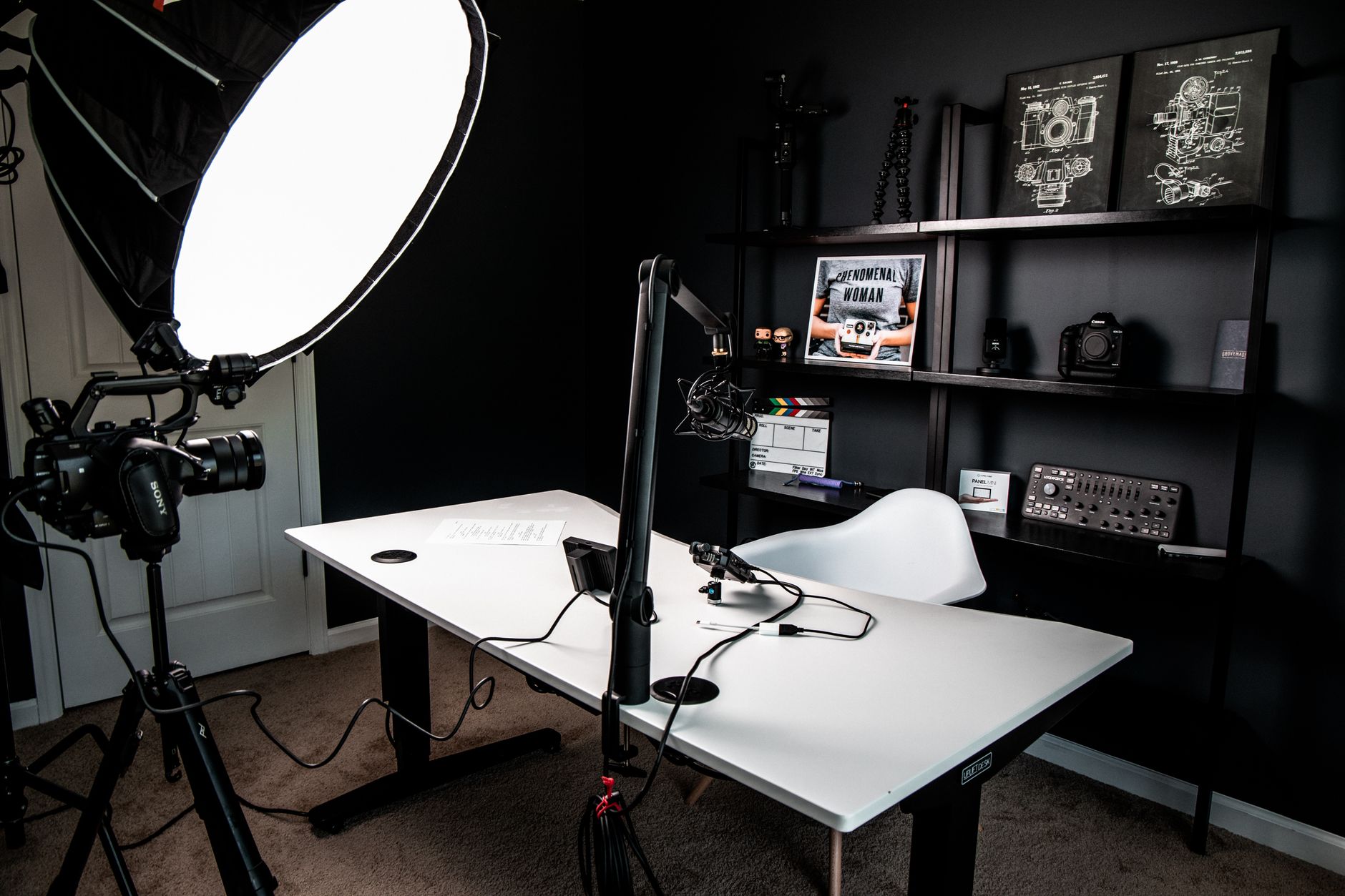
Home studio content is one of the most gear-driven areas of music creation — equipment manufacturers, YouTube channels, and affiliate marketers all benefit from convincing you that better equipment is the solution to production challenges that are actually skill-based. Here is the honest guide to what home studio equipment actually makes a significant difference and what can wait until later.
The Essentials That Actually Matter
A computer capable of running your DAW without excessive latency: almost any modern laptop or desktop (2019 or newer, 8GB RAM minimum, 16GB recommended) handles most production work adequately. Don't upgrade your computer for music production unless you're running large orchestral sessions or CPU-intensive plugins at high track counts. An audio interface: the Focusrite Scarlett 2i2 ($170) is the most widely recommended beginner interface because its clean preamps, low latency drivers, and build quality represent the best value at its price point. Studio monitors (speakers): this is where many home producers underinvest. Cheap computer speakers color the sound in ways that make mixing decisions misleading. The Yamaha HS5 (~$400/pair) and Adam Audio T5V (~$400/pair) are the most widely recommended entry-level studio monitors. Alternatively, quality studio headphones (Sony MDR-7506, Audio-Technica ATH-M50x) work for mixing when monitors aren't practical.
What Can Wait
An expensive microphone: until you've learned to use your DAW well and understand your acoustic space, a quality mid-range condenser microphone (Audio-Technica AT2020, ~$100) produces recordings that your skills can't yet maximize. Upgrade when the microphone is genuinely the limiting factor. A hardware synthesizer or controller: software instruments and sample libraries cover the production needs of 95% of genres. Hardware synths are instruments that you play and that inspire certain approaches — they're valuable additions when your production identity is developed enough to know what they'll contribute. Multiple plugin purchases: the stock plugins in modern DAWs are capable of professional results. Many professional mixers use primarily stock plugins. Plugins don't improve production quality proportionally to their cost.
Honest Bottom Line: Essential home studio investments: audio interface (Focusrite Scarlett 2i2, $170), studio monitors (Yamaha HS5 or Adam T5V, ~$400/pair) or quality headphones (Sony MDR-7506, ATH-M50x), and a modern computer with adequate RAM. Everything else can wait until skills demand it. Plugins don't improve production quality proportionally to cost — DAW stock plugins are capable of professional results. Microphone quality matters less than room acoustics and technique. The most common home studio spending mistake: buying solutions to problems that don't exist yet.