Home Recording in 2026: The Honest Guide to Getting Professional-Sounding Audio
I have been recording music professionally and teaching home recording for 12 years. The access to professional-quality recording tools at home in 2026 is genuinely extraordinary — a setup that would have cost $50,000 in a professional studio twenty years ago can now be assembled for $500-2,000. But the capability of the tools and the ability to use them effectively are different things, and the gap between what beginner home recording setups look like versus what produces professional-sounding audio is usually in knowledge and technique rather than equipment. Here is the honest guide.
The Equipment That Actually Matters
The audio interface is the foundational piece of home recording equipment — it converts microphone and instrument signals to digital audio and back. The interface determines your recording quality ceiling in ways that other components do not. Quality budget interfaces from Focusrite (Scarlett series), Universal Audio (Volt series), and PreSonus (AudioBox series) produce genuinely professional-quality audio at $100-200. Going cheaper than this risks audible noise floors and conversion quality issues that limit what you can do in the mix. The DAW (Digital Audio Workstation) is the software where recording, editing, and mixing happen. Logic Pro (Mac only, $200 one-time), Ableton Live, and Pro Tools are the professional standards. GarageBand (free, Mac/iOS) is a fully capable starting point that shares the Logic Pro workflow. Reaper ($60 discounted license) is a professional-grade DAW at an accessible price point. The microphone matters enormously for vocal and acoustic recording — less so for direct-input recording of instruments. The Shure SM58 ($99) for live/dynamic recording and the Audio-Technica AT2020 ($99) for condenser recording are the standard entry-level recommendations with decades of professional use behind them.
What Beginners Spend Money On That Does Not Help
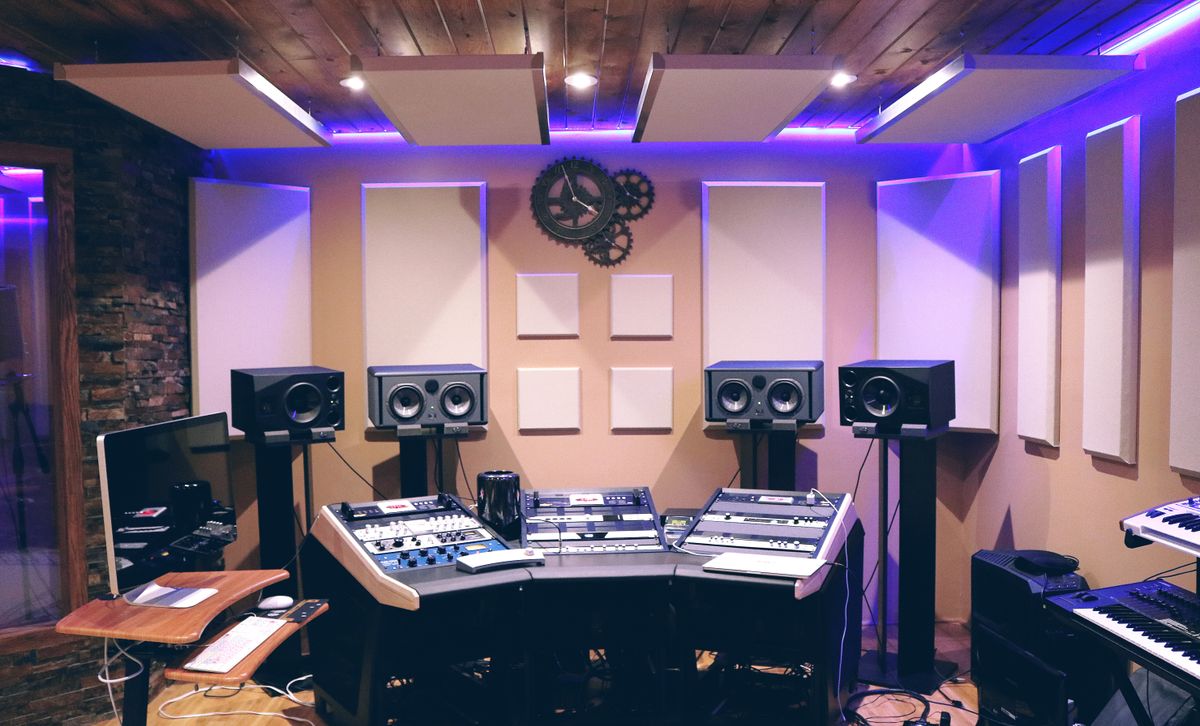
Expensive equipment before learning fundamentals: the most common expensive mistake is purchasing a high-end microphone for a recording environment (untreated bedroom) where acoustic problems will make it sound worse than a cheaper microphone in a properly treated space. A $500 condenser microphone in an untreated room with hard parallel walls, low ceilings, and no acoustic treatment produces recordings with audible room problems that cannot be fully corrected in mixing. The same performance recorded in a treated space with a $99 microphone is genuinely better. Acoustic treatment is almost always higher-ROI than microphone upgrades. Plugins and software effects: the standard library in any modern DAW is sufficient to produce professional-quality recordings. The marketplace for third-party plugins is enormous and contains many genuinely excellent tools — but plugin acquisition becomes a distraction from learning to use the tools already available. Professional-sounding recordings are produced with stock plugins by engineers who know how to use them.
The Skill Development Sequence That Works
Recording capture first: learn to capture the cleanest possible source signal before worrying about processing it. Gain staging (setting levels so the signal is loud enough to be clear but not so loud that it clips) is the most fundamental recording skill and the one most often handled poorly by beginners. Mixing second: the ability to take a recording and balance, eq, compress, and process it into a coherent mix is a skill that takes years to develop well. Reference mixing — comparing your mix to commercially released records on the same playback system — is the most effective learning tool. Mastering last: mastering (the final processing stage that optimizes audio for distribution) is typically handled by a professional mastering engineer for commercial releases, and beginners are better served learning recording and mixing deeply before attempting mastering.
Honest Bottom Line: Professional-quality home recording is accessible at $500-2,000 total setup cost in 2026. The interface ($100-200 from Focusrite, UA, or PreSonus) determines your quality ceiling — do not go below this. The DAW choice matters less than learning depth — GarageBand or Reaper are capable starting points. The highest-ROI investment for most beginners is acoustic treatment, not better microphones — an untreated room makes expensive microphones sound worse than cheap microphones in treated spaces. Skill sequence: gain staging and clean capture first, then mixing fundamentals, then mixing practice through reference comparison. Plugin acquisition is a distraction from the skill development that produces better recordings.