Making Beats From Scratch: The Step-by-Step Method for Absolute Beginners in 2026
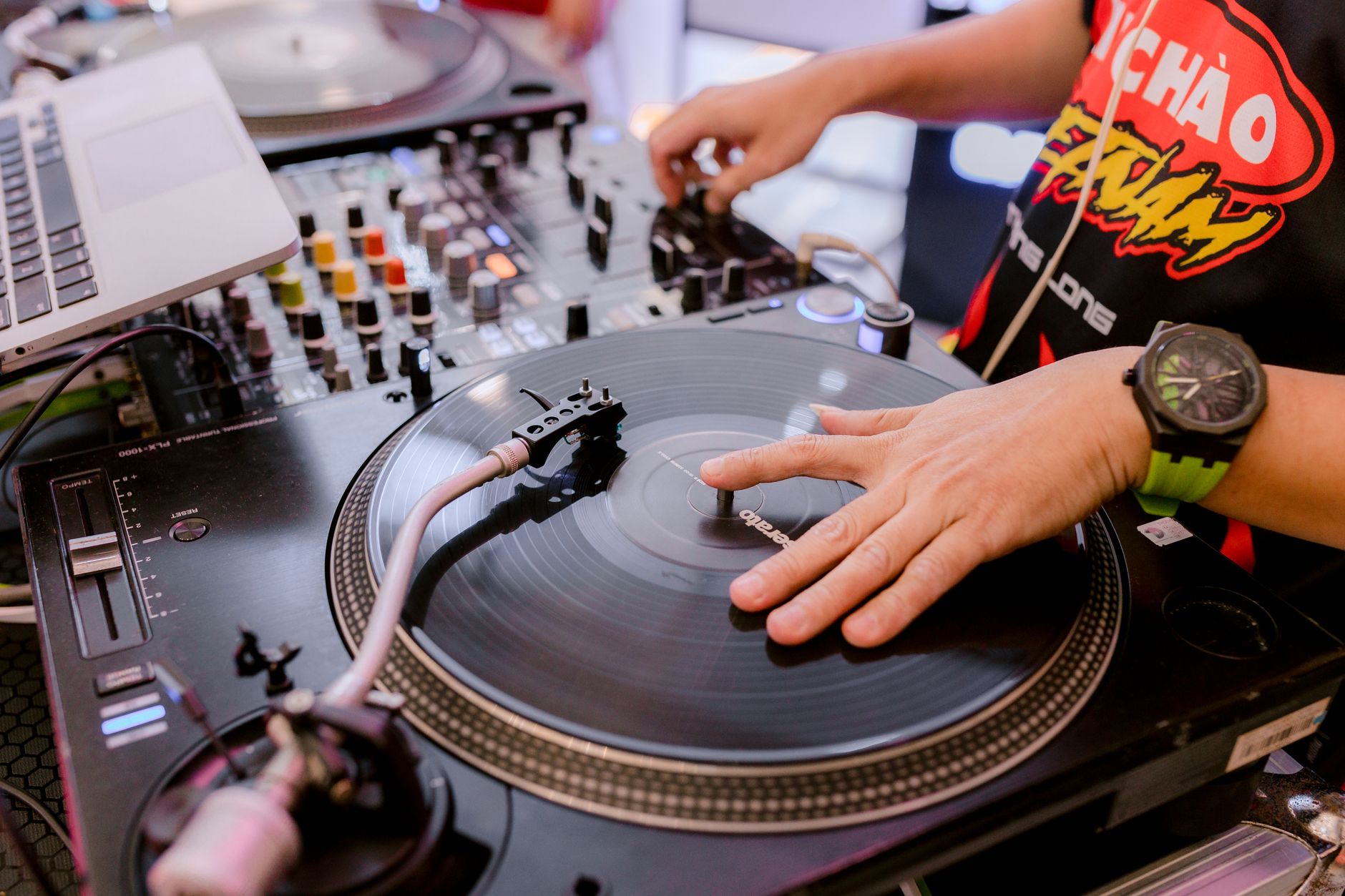
Hip-hop beat making is probably the most accessible entry point to music production — the core elements (drum pattern, bass line, melody, arrangement) are relatively defined, the genre is enormously sample-based which provides immediate production material, and the tools available in 2026 make sophisticated beats achievable for complete beginners. Here is the honest step-by-step guide to making your first beat.
Step 1: Start With the Drums
Every hip-hop beat starts with the drum pattern. The fundamental hip-hop groove: kick drum on beats 1 and 3 (or 1 and 3+ with variations), snare on beats 2 and 4, hi-hat patterns that create the rhythmic feel between the kick and snare. In your DAW, open the drum machine (FL Studio's FPC, Logic's Ultrabeat, Ableton's Drum Rack) and place these basic hits. Start with a 4-bar loop at 80-95 BPM (the standard hip-hop tempo range). Listen to reference beats in your genre and notice exactly when the kick and snare fall — transcribing other producers' drum patterns is one of the best ways to learn rhythm.
Step 2: Add the Bass
The 808 bass (named for the Roland TR-808 drum machine's bass drum, which became hip-hop's dominant bass sound) is the foundation of most modern hip-hop and trap music. In your DAW, find an 808 sample or synthesizer patch and program a bass line that follows the chord changes you're working with. 808s in modern trap extend for beats — they're not short hits but sustained, melodic bass tones that carry harmonic information. Tune your 808s to match the key of your melody (pitch them to the root notes of your chord progression) so they don't clash harmonically.
Steps 3-5: Melody, Arrangement, and Bounce
Add a melodic element (sample, VST keyboard, or synthesizer) that works with your drum and bass foundation. Keep melodies simple initially — 4-8 note phrases that repeat work better than complex melodies that compete with the vocal space. Arrange your 8 or 16-bar loop into a full song structure: intro (drums only or stripped), verse (full beat), pre-hook (variation), hook (most energetic version), outro. Export your finished beat at -6dBFS peak and listen on multiple systems (phone speakers, car stereo, headphones) to check if the low end translates outside your studio monitors.
Honest Bottom Line: Start with drums (kick 1&3, snare 2&4, hi-hat pattern) at 80-95 BPM. Add 808 bass tuned to your key's root notes — extend the 808 hits for melodic bass sustain. Keep melodies simple (4-8 note repeating phrases) to leave vocal space. Arrange loops into intro-verse-hook-outro structure. Check your bounce on multiple listening systems before calling it finished. Your first beats will be rough — finish them anyway. The skill development happens through completing tracks, not through refining one project indefinitely.