The Vinyl Revival in 2026: Why People Are Buying Records Again and What the Sound Debate Is Really About
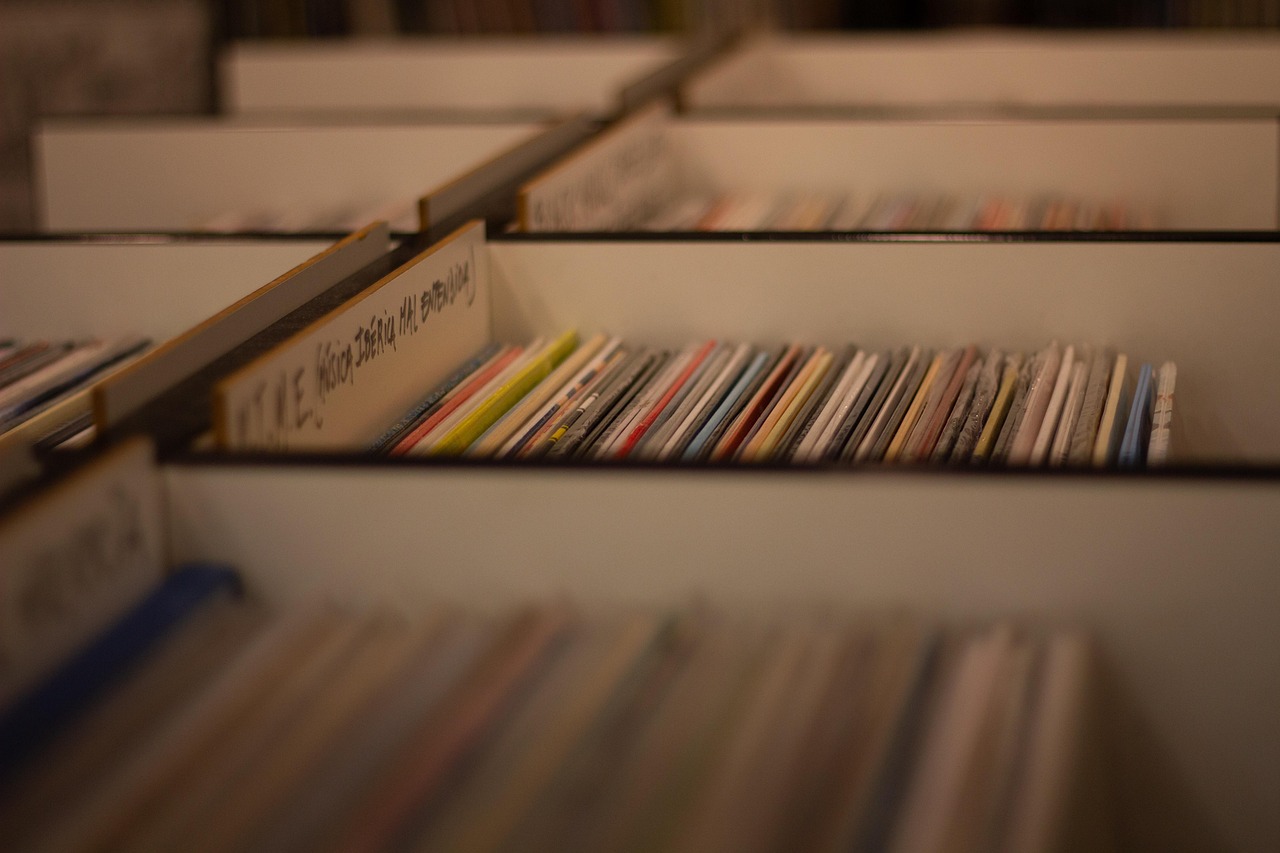
Vinyl record sales in the United States have exceeded CD sales for several consecutive years — a reversal that seemed unimaginable when CDs nearly eliminated the format in the 1990s. The vinyl revival is real, substantial, and more complex than either its enthusiasts or its critics acknowledge. As a musician and music educator who has worked with audio in multiple formats for 15 years, here is the honest guide to what is actually driving the revival, what the sound quality debate actually involves, and what you need to know if you are considering entering or re-entering the format.
Why Vinyl Sales Are Growing: The Honest Picture
The drivers of vinyl's resurgence are multiple and not all about sound quality. The tactile and ritual appeal of records — the physical artifact, the large-format artwork, the deliberate act of putting on a record — provides an experience that digital streaming does not and cannot replicate. In a streaming era characterized by algorithmic curation and passive consumption, vinyl represents intentional, active listening that many people find more rewarding. The ritual of cleaning a record, lowering the needle, and sitting with an album from beginning to end is different from hitting shuffle on a playlist, and many listeners value that difference independent of any sound quality consideration.
Vinyl as a physical artifact of fandom has also driven significant sales: fans buy records of artists they love as cultural objects, gift items, and collector items even when they primarily stream for listening. Taylor Swift vinyl releases have sold hundreds of thousands of copies in first-week sales — driven substantially by fans who may or may not own turntables capable of playing them. The commercial reality is that a significant portion of vinyl sales are not primarily about analog listening experience.
The Sound Quality Debate: What It Actually Means
The "vinyl sounds better" claim is simultaneously true in specific contexts and false as a universal statement, and understanding the nuances clarifies the actual debate. High-quality vinyl playback — a properly maintained pressing played on a quality turntable with a good cartridge, through a well-matched phono stage — can produce an analog sound that many listeners prefer to digital, particularly for recordings made in the analog era. The warmth, harmonic richness, and slight compression that analog introduces are genuinely preferred by many ears, particularly for acoustic instruments and vocals. This preference is real and legitimate even if it is preference rather than technical superiority.
The context where vinyl clearly does not sound better: modern vinyl pressings of music that was recorded, mixed, and mastered entirely in the digital domain — where the digital-to-analog-to-digital-to-vinyl chain introduces noise and limitations without any of the analog warmth that characterized original analog recordings. Much contemporary vinyl is manufactured from digital masters, which means you are getting the quality floor of digital with the added noise floor and surface noise of vinyl. The technically superior vinyl listening requires: original analog recordings, quality vinyl pressings (180g is not sufficient by itself; the quality of the master matters more), a quality turntable (the sub-$100 USB turntables sold in electronics stores actively damage records while producing inferior sound), and proper setup and maintenance.
What You Actually Need to Get Started
If you are considering entering vinyl playback, the minimum viable setup for genuinely good-sounding records: a quality entry-level turntable (Audio-Technica AT-LP120 or Pro-Ject Debut Carbon at $200-400), a phono stage if your receiver does not include one (many do not), and speakers appropriate to your space. Below this level, the listening experience does not represent what vinyl can sound like. The record care essentials: a stylus brush for cleaning the needle before each play, an anti-static record brush for cleaning records before playing, and inner sleeves that do not shed lint onto records. Surface noise and skipping on a quality turntable is almost always caused by dirty records or a dirty or worn stylus.
Honest Bottom Line: Vinyl's revival is driven by tactile ritual appeal (intentional listening vs algorithmic streaming) and physical fandom artifact purchase as much as sound quality — a significant portion of vinyl sales are not primarily about analog listening. The sound quality claim is context-dependent: high-quality analog recordings played on quality equipment through proper setup genuinely produce sound many listeners prefer. Where vinyl clearly does not sound better: modern recordings mastered from digital (digital-to-analog-to-vinyl chain adds noise without analog warmth), and sub-$100 turntables (actively damage records while producing inferior sound). Minimum setup for genuine vinyl quality: $200-400 quality entry-level turntable (AT-LP120 or Pro-Ject), phono stage, and proper record and stylus cleaning. Record quality and master quality matter more than weight (180g).