Recording Jazz and Blues at Home in 2026: The Equipment and Setup That Actually Works
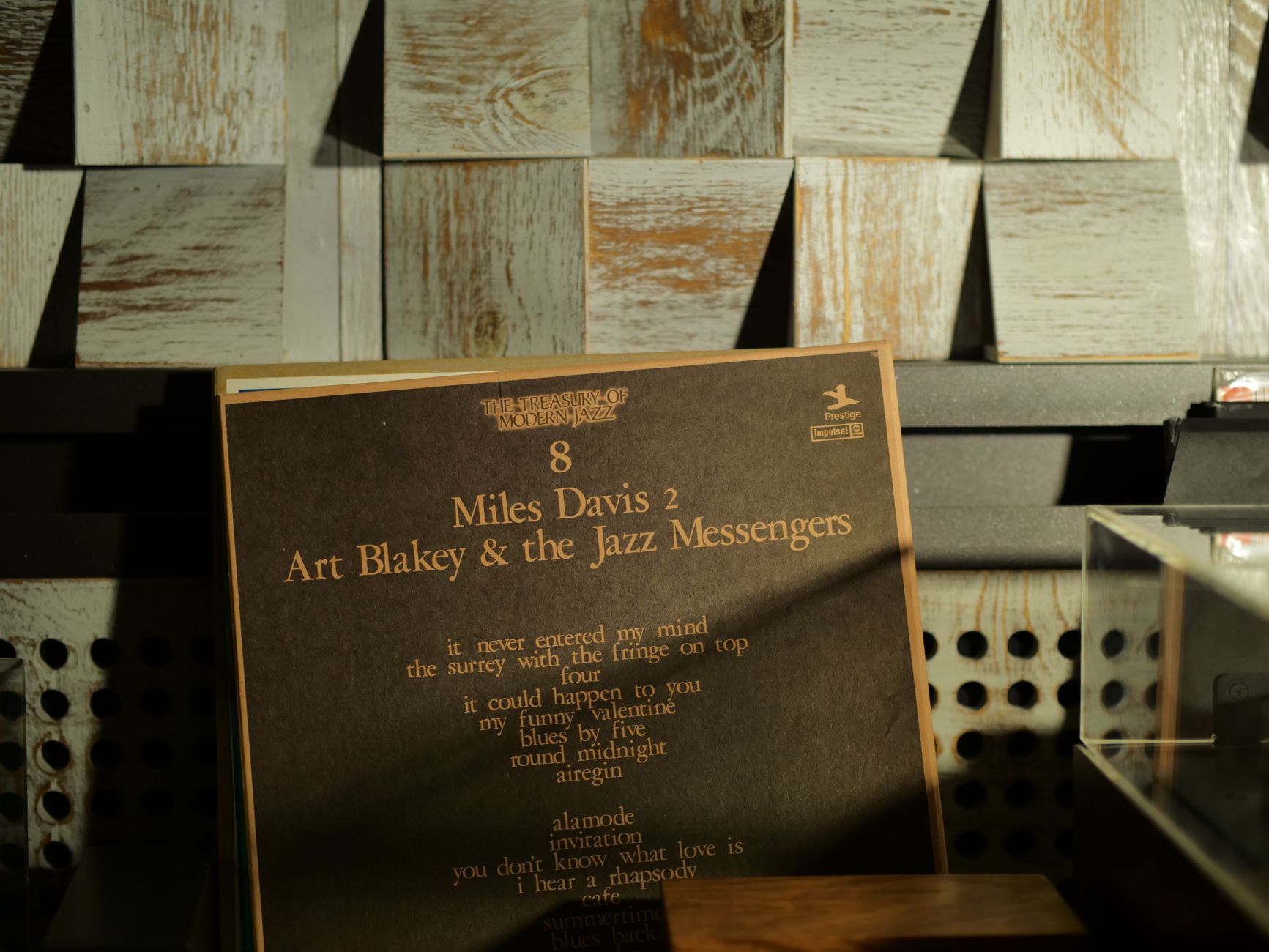
Recording jazz and blues at home presents specific challenges that differ from recording electronic or pop music — acoustic instruments in live rooms, microphone placement for complex instruments, capturing the dynamics of improvised performance. The good news is that the technology available in 2026 makes genuinely good acoustic recordings achievable without a professional studio budget. Here is the honest guide to what works.
The Core Chain: Microphone → Preamp → Interface → DAW
The signal chain for home recording jazz and blues: a quality microphone captures the sound; a preamp amplifies the microphone signal to line level; an audio interface converts the analog signal to digital for your computer; your DAW (Digital Audio Workstation) records, edits, and mixes the digital audio. For solo instruments or small ensembles, you need: 1-2 good condenser microphones (Rode NT1, Audio-Technica AT2035, or for better budget options the sE Electronics sE2200), an audio interface with clean preamps (Focusrite Scarlett 2i2 is the most widely recommended entry-level interface), and a DAW (GarageBand is free and adequate for basic recording; Logic Pro, Ableton, or Pro Tools for more advanced work).
Room Treatment: The Most Important and Most Overlooked Variable
The acoustic characteristics of the room you record in affect the sound more than the microphone quality above a basic threshold. Untreated rooms produce reflections, flutter echo, and resonance peaks that make recordings sound amateur regardless of equipment quality. Basic acoustic treatment: thick rugs, bookshelves filled with books, heavy curtains, and acoustic panels in the corners reduce room problems significantly at low cost. The most important treatment: reduce reflections behind and beside the microphone, and avoid recording in rooms with parallel walls and hard surfaces (bathrooms, empty rooms with bare walls).
Microphone Placement for Jazz Instruments
Piano: two condenser microphones in XY or ORTF stereo configuration above the strings (lid open, mic at the break between treble and bass strings) captures the full instrument. Guitar: microphone 6-12 inches from the soundhole, slightly off-center (pointing between the soundhole and the 12th fret) is the standard starting position. Horns: microphone 2-3 feet from the bell, slightly off-axis, avoids the harshest frequencies while capturing the full sound. Upright bass: microphone near the f-hole at approximately 6 inches captures the body resonance effectively. These are starting points — small movements make significant differences, so experiment.
Honest Bottom Line: The home recording chain for jazz: quality condenser microphone (Rode NT1, AT2035) → clean preamp/interface (Focusrite Scarlett 2i2) → DAW (GarageBand free, Logic Pro for more control). Room treatment matters more than equipment above the basic threshold — rugs, bookshelves, heavy curtains, and corner acoustic panels reduce room problems significantly. Standard microphone placements for jazz instruments provide starting points; small position adjustments make large sound differences. Budget approximately $500-800 for a setup that produces professional-quality results in a treated room.