Blues Music: The Honest History of America's Most Influential Musical Form
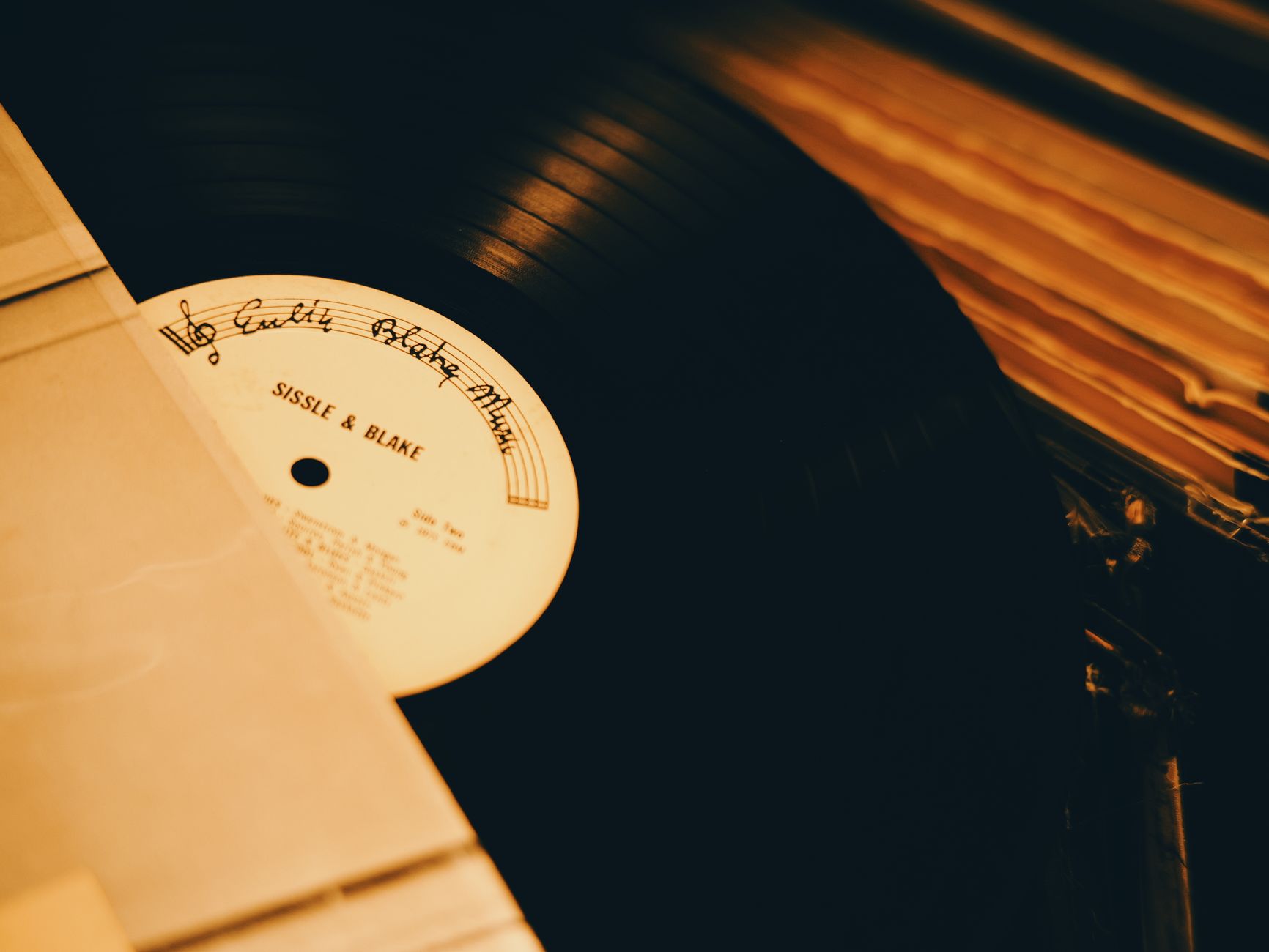
The blues is the musical foundation from which almost all popular American music descends — rock and roll, jazz, R&B, soul, country, and hip-hop all trace direct lineages to blues music. Understanding the blues is understanding the roots of most of what you've ever listened to, and the history of blues is inseparable from the history of African American experience in the United States. Here is the honest history.
Origins: The Mississippi Delta
Blues music emerged from the Mississippi Delta in the late 19th and early 20th centuries from the convergence of several African American musical traditions: work songs, field hollers, and spirituals that had developed during and after slavery, combined with the African call-and-response tradition and the 12-bar harmonic structure that became blues' defining musical framework. The guitar became the blues instrument because it was affordable and portable — it could be bought at general stores and carried by itinerant musicians who traveled to work and play at juke joints, road houses, and private parties. Robert Johnson is the most mythologized figure in early blues history — his 29 recordings from 1936-1937 are extraordinary in their sophistication and emotional intensity, and the legend of selling his soul at the crossroads for his musical ability speaks to how inexplicably great his playing sounded to contemporaries.
The Chicago Blues and the Electric Revolution
The Great Migration (1910-1970), in which approximately 6 million African Americans moved from the rural South to Northern cities, brought blues music to Chicago, Detroit, and New York. In Chicago, Muddy Waters, Howlin' Wolf, and Little Walter electrified the acoustic Delta blues into a new form — Chicago Blues — that had the power to fill nightclubs and compete with the noise of urban environments. The electric guitar, amplifier, and electric harmonica transformed blues from intimate acoustic music to powerful, riff-based music that directly influenced British rock musicians who encountered it through records in the 1960s.
The British Invasion and Blues' Global Reach
The Rolling Stones, Led Zeppelin, Eric Clapton, and The Beatles all cited specific blues artists as their primary influences — Robert Johnson, Muddy Waters, Howlin' Wolf, Robert Johnson, Chuck Berry. The British bands' amplified version of Chicago blues, marketed to white audiences in America and globally, produced a commercial music industry that ironically gave the original blues artists belated recognition. Muddy Waters famously complained that the Rolling Stones were making more money from his music than he was — a critique that pointed to the racial dynamics underlying blues' commercial history.
Honest Bottom Line: Blues emerged from African American musical traditions in the Mississippi Delta in the late 19th/early 20th century, combining work songs, field hollers, and spirituals with the 12-bar harmonic structure. Electrification in Chicago produced the version that influenced British rock musicians who commercialized it globally — creating a racial irony where the original artists gained recognition only after white artists profited from their innovations. The blues lineage runs directly into virtually every form of popular music that followed.