Fingerpicking Guitar in 2026: The Honest Guide for Players Who Only Know Strumming
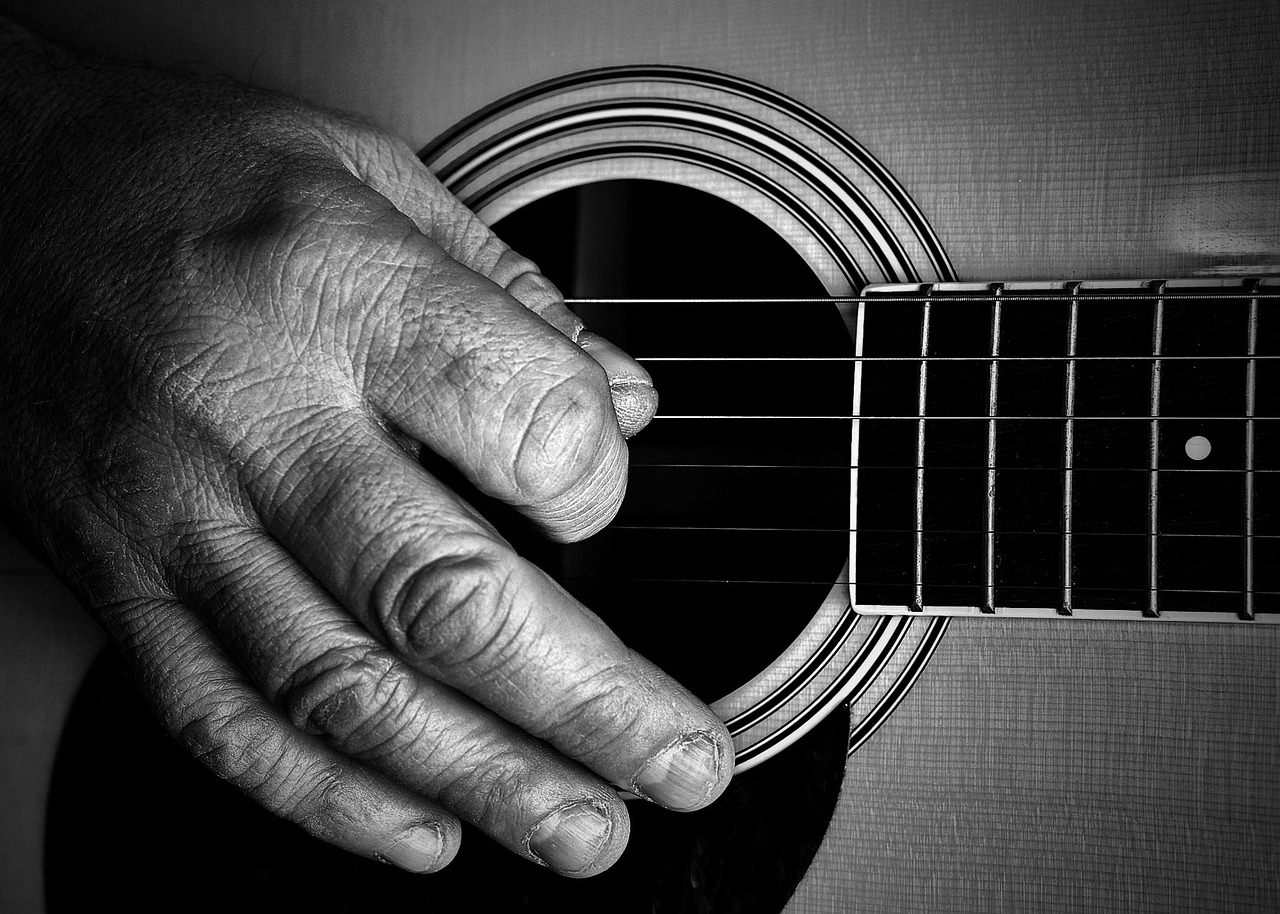
Fingerpicking opens new guitar possibilities. Here is the honest guide to learning it effectively.
Fingerpicking — playing guitar with the fingers rather than a pick — opens a world of musical possibilities unavailable to strummers, from classical and folk styles to intricate solo guitar arrangements. It is also, honestly, one of the more humbling transitions for guitarists who feel competent with a pick. Here is the guide to making the transition effectively.
Why Fingerpicking Feels Harder Than It Is
The initial difficulty of fingerpicking comes from having to independently coordinate multiple fingers for separate string and rhythmic functions simultaneously — the thumb typically handles the bass strings, the index, middle, and ring fingers handle the treble strings, and both need to move independently while maintaining rhythmic relationship. This multi-part coordination is new even for guitarists who can strum fluently, because strumming uses the whole hand as a unit while fingerpicking requires individual finger independence. The good news: this coordination develops faster than it feels like it will in the first two weeks of practice.
The Right Starting Pattern
The most effective starting pattern for fingerpicking beginners: the Travis picking pattern (named for country guitarist Merle Travis) that alternates the thumb between bass strings (strings 6/4 for G and D chords, strings 5/3 for C and A chords) while the fingers play a consistent pattern on the treble strings. Starting with this pattern over simple open chords (G, C, D, Em) provides a functional technique foundation that transfers to many musical styles. The practice method: practice the thumb alternation alone first until it is automatic, then add the finger pattern — trying to coordinate both simultaneously from the start creates confusion.

Nail Care and Tone
Fingerpicking tone quality is significantly affected by fingernail condition, which strumming players rarely consider. Classical guitarists cultivate their right-hand nails to specific lengths and shapes for consistent tone; acoustic and folk fingerpickers make individual choices about nail length and finger pad contact. The honest practical advice: experiment with slight nail length (1–2mm beyond the fingertip) on the picking hand to find what produces the tone you want for your style, and develop a nail care routine that maintains consistency.
Bottom Line: Fingerpicking difficulty comes from independent finger coordination rather than inherent complexity — it develops faster than it initially seems. Most effective starting pattern: Travis picking (thumb alternates bass strings while fingers play treble pattern) over simple open chords. Practice approach: isolate thumb alternation until automatic before adding finger pattern — simultaneous introduction of both creates confusion. Nail care affects tone quality significantly — slight nail length (1–2mm) on picking hand typically improves tone consistency over pure finger pad contact.