Best Guitar to Buy as a Beginner in 2026: The Honest Guide That Saves You Money
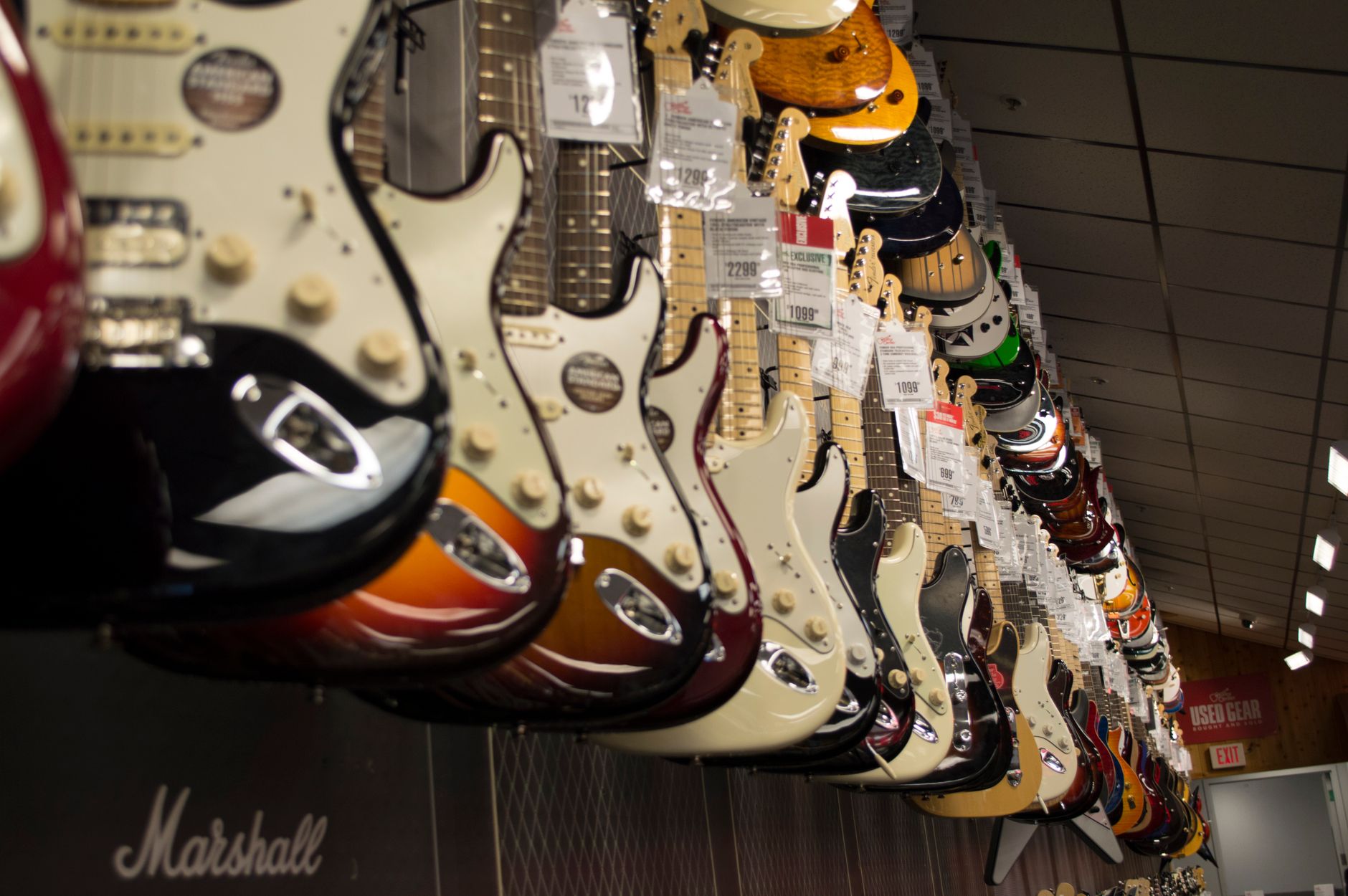
Buying your first guitar is one of the most important decisions in the learning process, and it's surrounded by advice that often has financial motivations behind it — gear affiliates, store commissions, and content creators who benefit from recommending higher-priced options. Here is the honest guide to what actually matters in a beginner guitar and where the money is well spent versus wasted.
Acoustic vs Electric: How to Actually Decide
The most common advice given to beginners is "start on acoustic because it's harder so you'll develop stronger fingers" — this advice is bad and you should ignore it. Start on the type of guitar that plays the music you love. If you love rock, metal, blues, or anything with amplified electric guitar sounds, start on electric — it's actually easier to learn basic techniques on electric (lighter strings, lower action) and you'll stay motivated practicing sounds you care about. If you love folk, country, singer-songwriter, or acoustic music, start on acoustic. Motivation to practice is the most important variable in learning guitar, and it comes from playing sounds you love.
Budget Reality: What Different Price Points Actually Buy You
Under $150: entry-level guitars that are playable but often need setup work to be comfortable. The action (string height above the fretboard) on cheap guitars is frequently too high, making chords harder to play than necessary. A $20-30 guitar setup by a tech at a local music store transforms a frustrating instrument into a comfortable one. $150-350: the sweet spot for beginner quality. Yamaha FG800 (acoustic, ~$200), Fender Squier Stratocaster (electric, ~$230), and Epiphone Les Paul Standard (electric, ~$250) are the consistently recommended options at this price range that offer genuinely comfortable playability and acceptable sound. Above $350 for a beginner: diminishing returns — you're paying for better materials and finishes that don't make learning easier.
The Setup: The Investment Most Beginners Skip
Regardless of which guitar you buy, getting it professionally set up (action lowered to comfortable height, intonation adjusted, nut slots filed if needed, truss rod adjusted) makes a $200 guitar play like a $400 guitar. A guitar setup costs $40-80 and is the best investment you can make in your playing experience as a beginner. Most guitars from guitar stores are not optimally set up — they're set up at the factory to minimal standards that are acceptable but not optimal.
Honest Bottom Line: Start on the guitar type that plays the music you love — motivation beats theoretical skill development benefits. The $150-350 range offers genuinely playable instruments (Yamaha FG800 for acoustic, Squier Stratocaster or Epiphone Les Paul for electric). Get a professional setup ($40-80) regardless of which guitar you buy — it's the highest-ROI guitar investment available. Don't spend over $350 as a beginner — the quality improvements above that price point don't make learning easier.