Acoustic vs Electric Guitar: Which Should You Actually Start With?
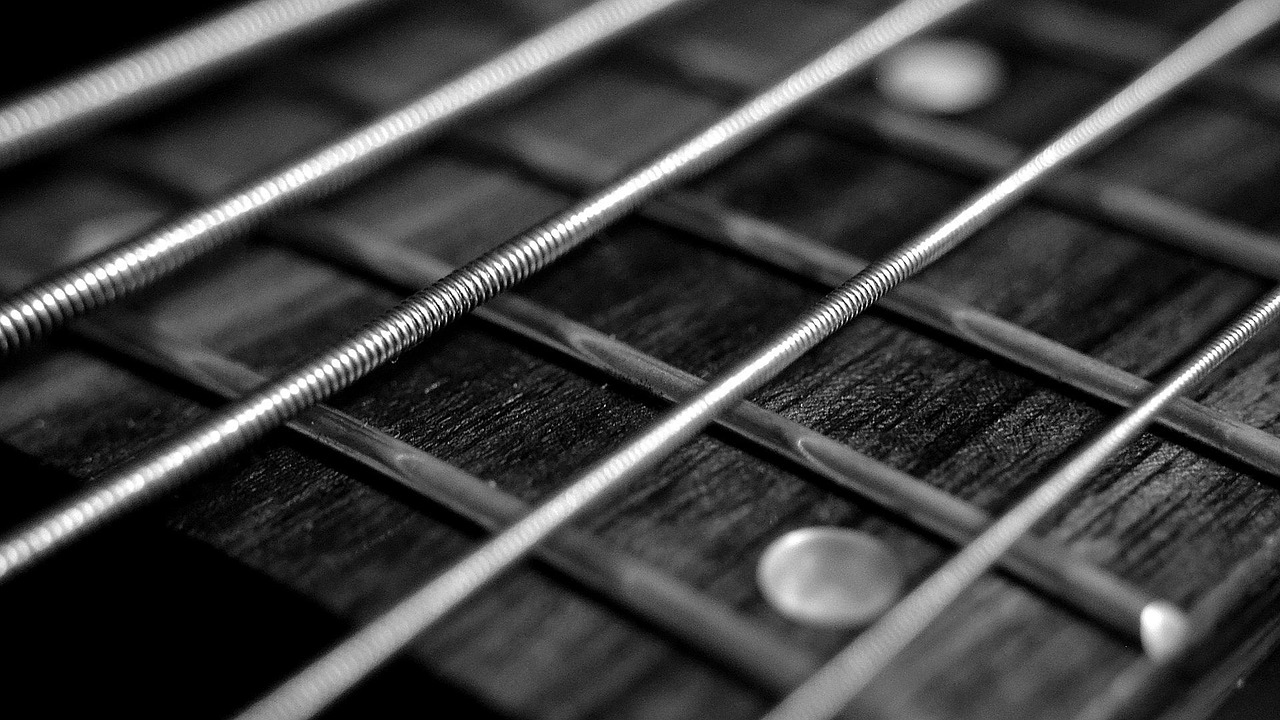
The debate about whether beginners should start on acoustic or electric guitar has persisted for decades, and most of the advice is wrong — or at least irrelevant to most people who ask the question. The conventional wisdom says start on acoustic because it builds finger strength and discipline. The actual evidence says start on the guitar that plays the music you love, because motivation to practice is the single most important variable in learning any instrument. Here is the honest answer.
The Bad Advice and Why It Persists
Start on acoustic because it is harder has been repeated so many times that it has the feeling of established wisdom. The argument: acoustic guitar has higher action (strings further from the fretboard), thicker strings, and no amplifier to hide imperfections, so developing technique on acoustic produces stronger fundamentals. The problem with this argument is that it treats instrument difficulty as a virtue rather than a tool. A beginner who finds acoustic guitar painful and discouraging will quit — regardless of how strong their finger calluses would eventually have become. A beginner who loves the electric guitar sounds they are making will practice more, develop faster, and ultimately become a better guitarist than the acoustic beginner who quit out of frustration. The research on skill acquisition is unambiguous: intrinsic motivation is the most powerful predictor of skill development. You will not develop skills you stop practicing.
The Real Differences That Actually Matter
Physical differences that are genuinely relevant: electric guitars typically have lighter string gauges (9s or 10s vs acoustic's 11s or 12s), lower action, and thinner necks — making them physically easier to play for most beginners. Acoustic guitars do not require an amplifier (you can pick it up and play anywhere) and do not require any additional equipment. Cost difference: a basic but playable electric guitar requires a guitar plus amplifier, whereas an acoustic guitar is a single purchase — the total cost of entry is higher for electric. Volume consideration: electric guitars played through an amplifier require a space where volume is acceptable — apartment living or family situations may make acoustic the more practical choice regardless of preference.
The Clear Recommendation for Each Situation
You love rock, metal, blues, or any genre built around electric guitar sounds: start on electric. The music you want to make requires electric guitar, and learning on the instrument that produces the sounds you love provides the intrinsic motivation that sustains practice through the difficult early weeks. You love folk, country, fingerstyle, or singer-songwriter material: start on acoustic. The music you want to make is acoustic music, and acoustic guitar is the correct tool. You are genuinely undecided: visit a music store, hold both types, and notice which one makes you want to play. That instinct is worth following. The bad reason to choose: I will start on acoustic because it is harder and then move to electric when I am good enough. You will never feel good enough to switch if you do not enjoy what you are practicing.
Honest Bottom Line: Start on the guitar that plays the music you love — motivation to practice is more important than instrument difficulty for beginners. Electric guitars are physically easier (lighter strings, lower action, thinner neck) but require amplifier and quiet practice space. Acoustic guitars are more convenient (no amp needed, portable) but physically harder for most beginners. The acoustic-first advice persists because difficulty feels virtuous — but a guitarist who quits because they hate acoustic has developed exactly zero skills regardless of the approach's theoretical merit.