The Sleep Routine That Actually Works: Building Habits That Improve Sleep Without Obsession
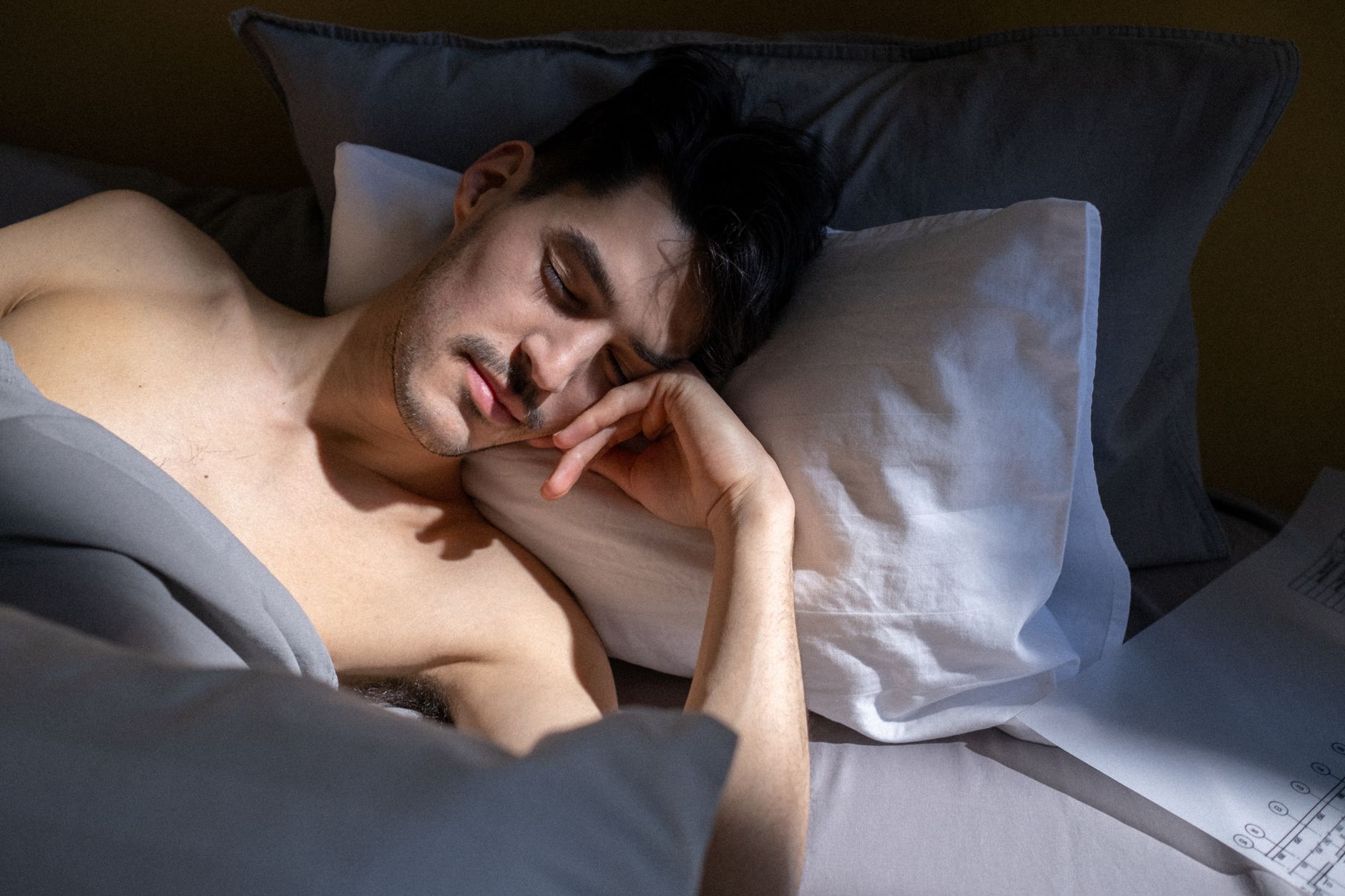
Sleep has become a wellness industry category of its own — trackers, supplements, routines, temperature-controlled mattresses, and optimization protocols that can transform the quest for rest into another achievement task that generates its own anxiety. "Orthosomnia" — anxiety about achieving perfect sleep metrics — has been documented as a genuine consequence of excessive sleep monitoring. Here is the honest guide to building sleep habits that improve rest without turning sleep into another thing to stress about.
The Evidence-Based Sleep Habits That Matter
Consistent sleep and wake times are the most important and most consistently evidence-supported sleep behavior. Your circadian rhythm is primarily regulated by the consistency of your sleep timing — the same wake time every day (including weekends) is the highest-leverage sleep habit available. Light exposure at the right times is the second most evidence-supported behavior: bright light (ideally natural sunlight) within an hour of waking advances the circadian phase and improves nighttime sleep quality; avoiding bright artificial light in the 1-2 hours before bed reduces melatonin suppression. Temperature: the bedroom should be on the cool side (65-68°F / 18-20°C) — core body temperature drops to initiate sleep, and external temperature affects this process.
What Sleep Tracking Actually Helps With
Consumer sleep trackers (Apple Watch, Fitbit, Oura Ring) are increasingly accurate for total sleep time and approximate sleep stage proportion — they're much less accurate than polysomnography (clinical sleep study) for precise sleep architecture. The useful applications: tracking overall sleep trends over weeks and months (consistent short sleep patterns vs adequate sleep), correlating sleep with behavioral variables (alcohol, exercise, caffeine timing) to identify what specifically affects your sleep, and monitoring consistency of sleep timing. The problematic application: anxiously checking sleep scores and adjusting behavior based on nightly metrics — this creates the orthosomnia pattern where monitoring generates the anxiety that impairs the sleep you're trying to optimize.
The Simple Sustainable Routine
The sleep routine that most consistently works without creating obsession: wake at the same time every day, get natural light within an hour of waking, keep the bedroom cool and dark, avoid alcohol within 3 hours of sleep (alcohol disrupts sleep architecture even when it helps initial sleep onset), avoid caffeine after early afternoon (timing depends on your metabolism), and have a consistent pre-sleep wind-down activity (reading, light stretching, anything that isn't screen-based or stimulating) that signals the body the sleep period is approaching. This routine doesn't require any products and addresses the highest-evidence sleep factors.
Honest Bottom Line: Consistent wake time daily (including weekends) is the highest-leverage sleep habit — more impactful than any product or protocol. Morning bright light and evening light avoidance regulate the circadian rhythm that determines sleep quality. Cool bedroom temperature (65-68°F / 18-20°C) facilitates the core temperature drop that initiates sleep. Consumer sleep trackers are useful for trend monitoring and behavioral correlation; nightly score monitoring creates orthosomnia risk. The evidence-based sleep routine requires no products: consistent timing, morning light, alcohol avoidance within 3 hours of sleep, caffeine timing, and a consistent non-screen wind-down activity.