Seasonal Depression (SAD): What It Is, Who Gets It, and What the Research Says Works
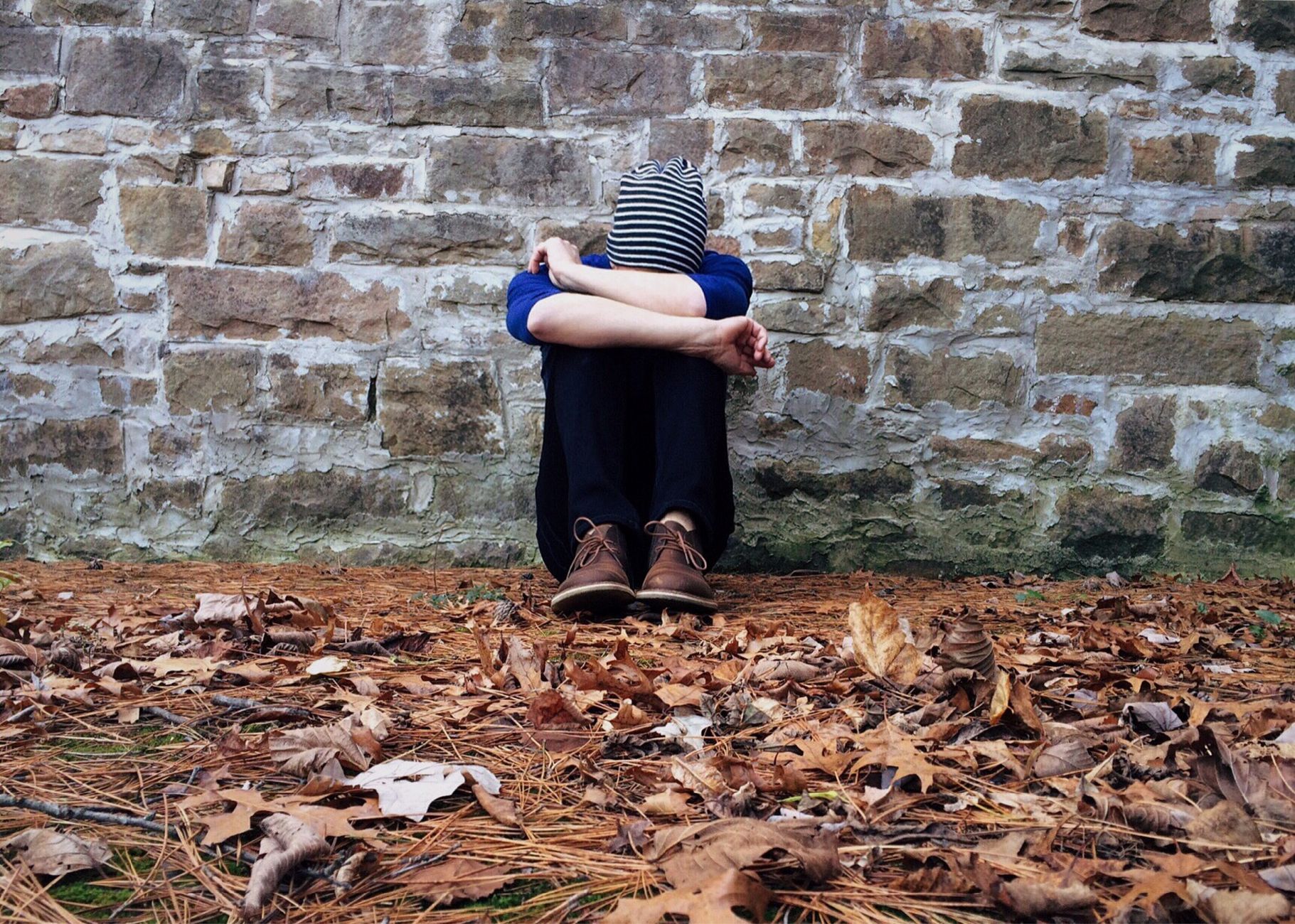
Seasonal Affective Disorder (SAD) — a pattern of depressive episodes that begin in autumn or winter and remit in spring — affects an estimated 1-6% of adults, with another 10-20% experiencing a milder "subsyndromal SAD" or "winter blues." It's one of the most undertreated common conditions, partly because its seasonal pattern means sufferers often assume they just "don't like winter" rather than recognizing a treatable condition. Here is the honest guide to SAD and what the evidence shows works.
What SAD Actually Is and Who Gets It
SAD follows the diagnostic criteria for Major Depressive Disorder — five or more depressive symptoms for at least two consecutive weeks — with the additional specifier of seasonal pattern (onset in autumn/winter, full remission by spring, for at least two consecutive years). The symptoms of SAD often differ from non-seasonal depression in specific ways: SAD is more commonly characterized by increased sleep (hypersomnia), increased appetite (particularly for carbohydrates), weight gain, and low energy — sometimes called "atypical" depressive features that reflect the biological winter hibernation mechanism that SAD appears to involve. The condition is more common at higher latitudes (where winter light reduction is more pronounced) and in women (approximately 4:1 female to male ratio). People with a family history of depression or bipolar disorder have elevated SAD risk.
Light Therapy: The Most Evidence-Supported Treatment
Light therapy (daily exposure to a bright light box — 10,000 lux for 20-30 minutes in the morning) is the first-line treatment for SAD with strong evidence from multiple randomized controlled trials. The mechanism: bright morning light suppresses melatonin, advances the circadian phase, and appears to compensate for the reduced daylight exposure that triggers SAD. The evidence is comparable to antidepressant medication for SAD, and light therapy has fewer systemic side effects. Key parameters: 10,000 lux (not just "bright" by regular standards — this is significantly brighter than typical indoor lighting), morning timing (evening light can worsen some presentations), and consistent daily use starting before symptoms appear in early autumn for prevention.
Other Evidence-Based Approaches
CBT adapted for SAD (CBT-SAD) has been specifically developed and tested, with evidence for both acute treatment and relapse prevention that exceeds light therapy for preventing future SAD episodes. Antidepressants (specifically bupropion XL) have FDA approval specifically for SAD prevention — started before the expected symptom onset season and discontinued after spring remission. Vitamin D supplementation is frequently recommended for SAD given the association between winter, reduced UV exposure, and lower vitamin D levels — the evidence specifically for vitamin D's role in SAD is modest, though supplementation is generally safe and may be appropriate for people with documented deficiency.
Honest Bottom Line: SAD follows major depression diagnostic criteria with a seasonal specifier — often characterized by hypersomnia, increased carbohydrate appetite, and weight gain (atypical features). Light therapy (10,000 lux, 20-30 minutes morning, daily) is first-line treatment with evidence comparable to medication and fewer systemic side effects. Start light therapy before symptoms appear in early autumn for prevention. CBT-SAD has the best evidence for preventing future SAD episodes. Bupropion XL has FDA approval specifically for SAD prevention. Vitamin D supplementation has modest specific evidence for SAD but is safe and appropriate for documented deficiency.