Managing Anxiety in 2026: What the Evidence Shows Actually Works
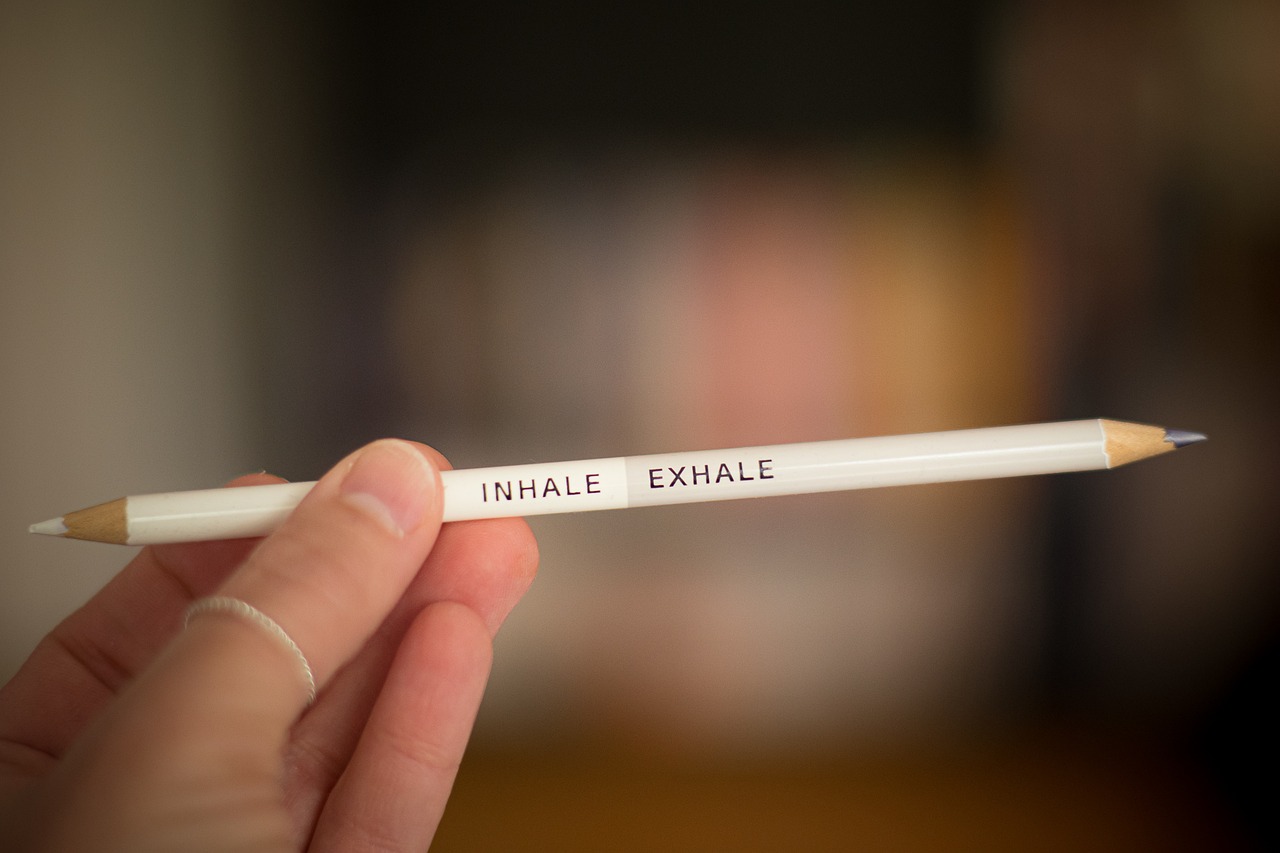
Anxiety is extremely common. Here is the honest guide to the evidence-based approaches that actually help.
Anxiety disorders are the most common mental health conditions globally, affecting an estimated 284 million people worldwide, with anxiety symptoms — below the diagnostic threshold — experienced by significantly more. The wellness industry has responded with an enormous range of anxiety management products, practices, and advice, with quality ranging from well-evidenced to actively counterproductive. Here is the honest guide to what the research shows actually works.
The Evidence Hierarchy for Anxiety Treatment
The strongest evidence for anxiety treatment comes from cognitive behavioral therapy (CBT), specifically the exposure-based variants that involve gradually confronting anxiety-provoking situations in controlled ways until the anxiety response diminishes. Exposure therapy for specific phobias, social anxiety, and PTSD-related anxiety has the most robust evidence base in clinical psychology — dozens of randomized controlled trials show significant symptom reduction compared to waitlist and active control conditions. The honest caveat: CBT requires working with a trained therapist, is effortful, and involves the discomfort of confronting anxiety triggers rather than avoiding them — which is precisely why it works, and why many people prefer less effective alternatives.
Medication: What the Evidence Shows
SSRIs and SNRIs — the antidepressant medications used for anxiety disorders — have significant evidence for reducing anxiety symptoms across multiple disorder types when taken consistently. They take 4–8 weeks to show full effect and require medical supervision. Benzodiazepines (Xanax, Valium, Ativan) provide rapid relief but carry dependence risk, tolerance development, and withdrawal challenges that make them poorly suited for long-term anxiety management despite their widespread prescription. The combination of therapy and medication has the strongest evidence for severe anxiety disorders — neither alone typically produces results as durable as the combination.
Self-Help Approaches With Evidence
The self-help approaches with meaningful evidence: regular aerobic exercise — multiple meta-analyses show anxiety symptom reduction comparable to medication effects for mild to moderate anxiety; diaphragmatic breathing and progressive muscle relaxation for acute anxiety management; sleep optimization (anxiety and sleep problems are bidirectionally related — improving sleep reduces anxiety); and mindfulness-based stress reduction for generalized anxiety. The approaches without meaningful evidence despite popularity: most anxiety apps without CBT-based content, dietary supplements (with limited exceptions), and techniques that primarily distract from rather than modify anxiety responses.
Bottom Line: Strongest evidence: CBT with exposure-based approaches (confronting anxiety triggers, not avoiding them) — most effective across anxiety types. SSRIs/SNRIs have strong evidence for sustained anxiety reduction; benzodiazepines provide rapid relief with dependence/tolerance concerns making them poor long-term options. Combination of therapy and medication most effective for severe anxiety. Self-help with evidence: aerobic exercise (effect size comparable to medication for mild-moderate anxiety), diaphragmatic breathing for acute management, sleep optimization, MBSR. Approaches without evidence: most apps without CBT content, most supplements, distraction-focused techniques.