Mindfulness Meditation Guide [2026]: 5 Techniques for Busy Beginners
![Mindfulness Meditation Guide [2026]: 5 Techniques for Busy Beginners](/img/posts/fix-mindfulness-meditation-guide-2026-e7decea9.jpg)
Mindfulness meditation has moved from fringe spiritual practice to mainstream therapeutic intervention, supported by thousands of peer-reviewed studies showing benefits for anxiety, depression, chronic pain, and cognitive function. The basic practice is simple; the consistency is the challenge.
What Mindfulness Actually Is
Mindfulness is paying deliberate, non-judgmental attention to the present moment — including thoughts, feelings, and bodily sensations. The practice doesn't aim to empty the mind (a common misconception) but to observe mental activity without getting swept away by it. The moment you notice you've been distracted and return attention to your anchor (usually breathing) is the practice — not a failure.
Basic Breath Meditation
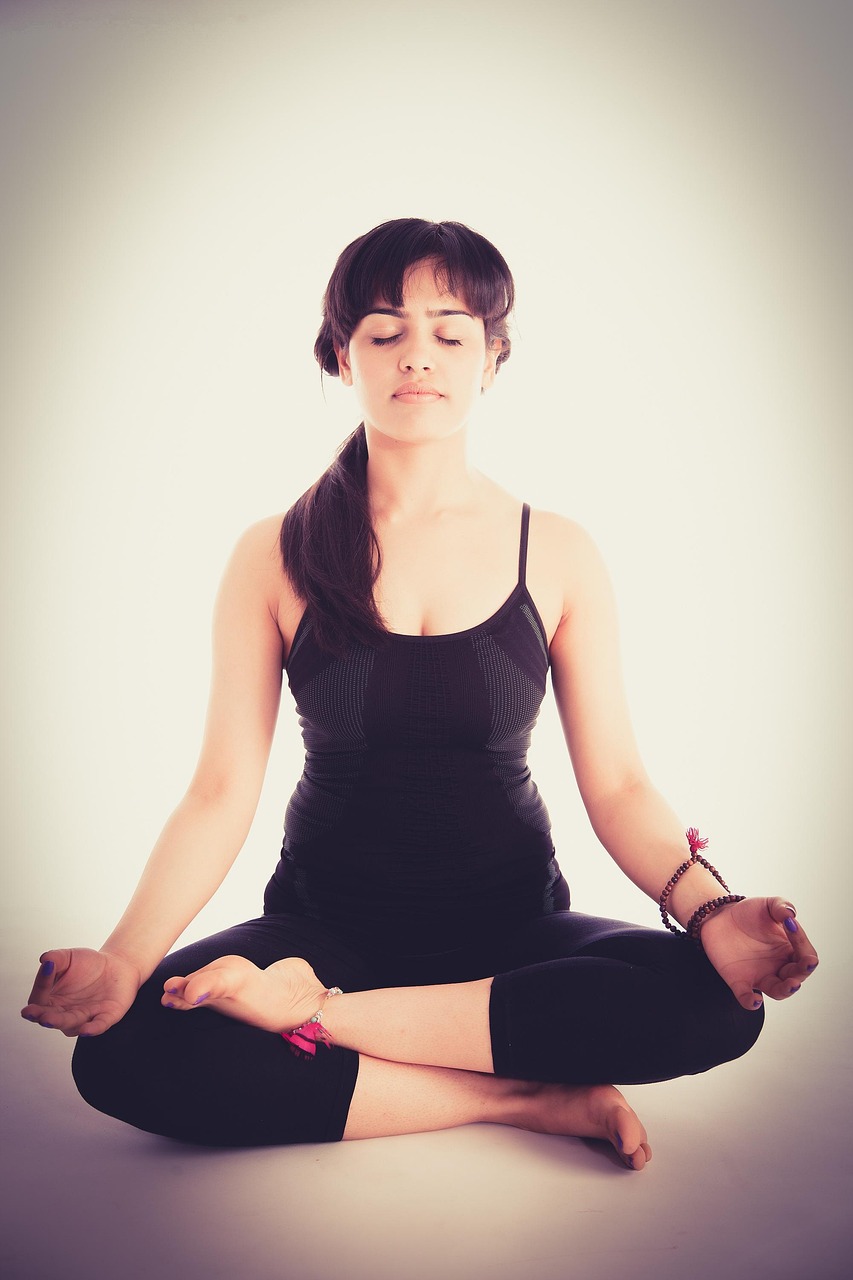
Sit comfortably (chair is fine — no need for lotus position). Close your eyes. Focus attention on physical sensations of breathing — the rise and fall of chest or belly, or air entering and leaving nostrils. When your mind wanders (it will, constantly), notice this without judgment and gently return attention to breath. Start with 5-10 minutes. This simple practice is the foundation of virtually all mindfulness traditions.
Apps That Actually Help
Headspace and Calm are the most polished meditation apps, both offering structured beginner courses. Waking Up (Sam Harris) is excellent for those interested in the philosophy alongside the practice. Insight Timer is free with thousands of guided meditations. Apps don't replace practice but can make it easier to start and maintain consistency. That said, I'm not sure this works the same way for everyone.
Realistic Expectations
Benefits from mindfulness practice are real but not instant. Most research shows meaningful changes in anxiety and stress markers after 8 weeks of consistent practice (the MBSR program — Mindfulness-Based Stress Reduction — runs 8 weeks). Short daily practice (10-20 minutes) is more effective than occasional long sessions. The variable most predictive of results is consistency, not duration.
What I actually think: Small changes, consistently applied. That's the whole playbook.
From experience: After observing habits across high-performing individuals in different fields, the patterns that emerge are consistently simpler than the productivity industry suggests.
What Doesn't Work Despite Popularity
Many popular productivity and wellness techniques have weak or no evidence supporting their effectiveness — they persist because they feel productive rather than because they produce results. The techniques with the strongest evidence are often the least novel and the least commercially interesting: consistent sleep, regular exercise, and deliberate practice of specific skills.
What Doesn't Work Despite Popularity
Many popular productivity and wellness approaches have weak or absent evidence supporting their effectiveness — they persist because they feel productive rather than because they demonstrably produce results. The techniques with the strongest evidence are often the least commercially interesting: consistent sleep schedules, regular moderate exercise, and deliberate practice of specific skills. These don't sell courses or apps as effectively as novel systems do.

Priya Sharma is a lifestyle writer and certified interior designer who covers the intersection of how we live, how we organize our spaces, and how those choices affect our wellbeing. With 7 years of writing experience an...
![Meditation [2026]: How to Actually Start (and Not Quit After Week 1)](/img/posts/fix-meditation-honest-guide-2026-7467c0e9.jpg)
![Nervous System Regulation: 5 Things That Actually Work [2026]](/img/posts/fix-nervous-system-regulation-honest-gu-098f2f8e.jpg)
![Emotional Intelligence [2026]: 5 Ways to Actually Develop It](/img/posts/fix-life-insurance-complete-guide-2026-7560ff3e.jpg)