Mindfulness for Beginners [2026]: 10 Minutes a Day That Actually Work
![Mindfulness for Beginners [2026]: 10 Minutes a Day That Actually Work](/img/posts/fix-mindfulness-for-beginners-2026-83be4c9c.jpg)
Mindfulness meditation has moved from fringe wellness practice to mainstream recommendation — supported by substantial research showing effects on stress, attention, emotional regulation, and physical health markers. Getting started doesn't require retreats, expensive apps, or philosophical commitment.
What Mindfulness Actually Is
Mindfulness is deliberately paying attention to present experience — thoughts, sensations, emotions — without judgment. It's not emptying the mind (impossible) or achieving special states — it's noticing where the mind is, and repeatedly returning attention to the chosen focus when it wanders. The moment of noticing the mind has wandered and bringing it back is the exercise, not evidence of failure.
The Research
Mindfulness-Based Stress Reduction (MBSR), developed by Jon Kabat-Zinn at UMass Medical School, has the strongest evidence base: randomized controlled trials showing reductions in psychological distress, anxiety, depression relapse, and chronic pain. Effects are modest but real — comparable to antidepressants for preventing depression relapse, without side effects. I was skeptical at first, but the evidence kept pointing the same direction.
Getting Started (For Real)
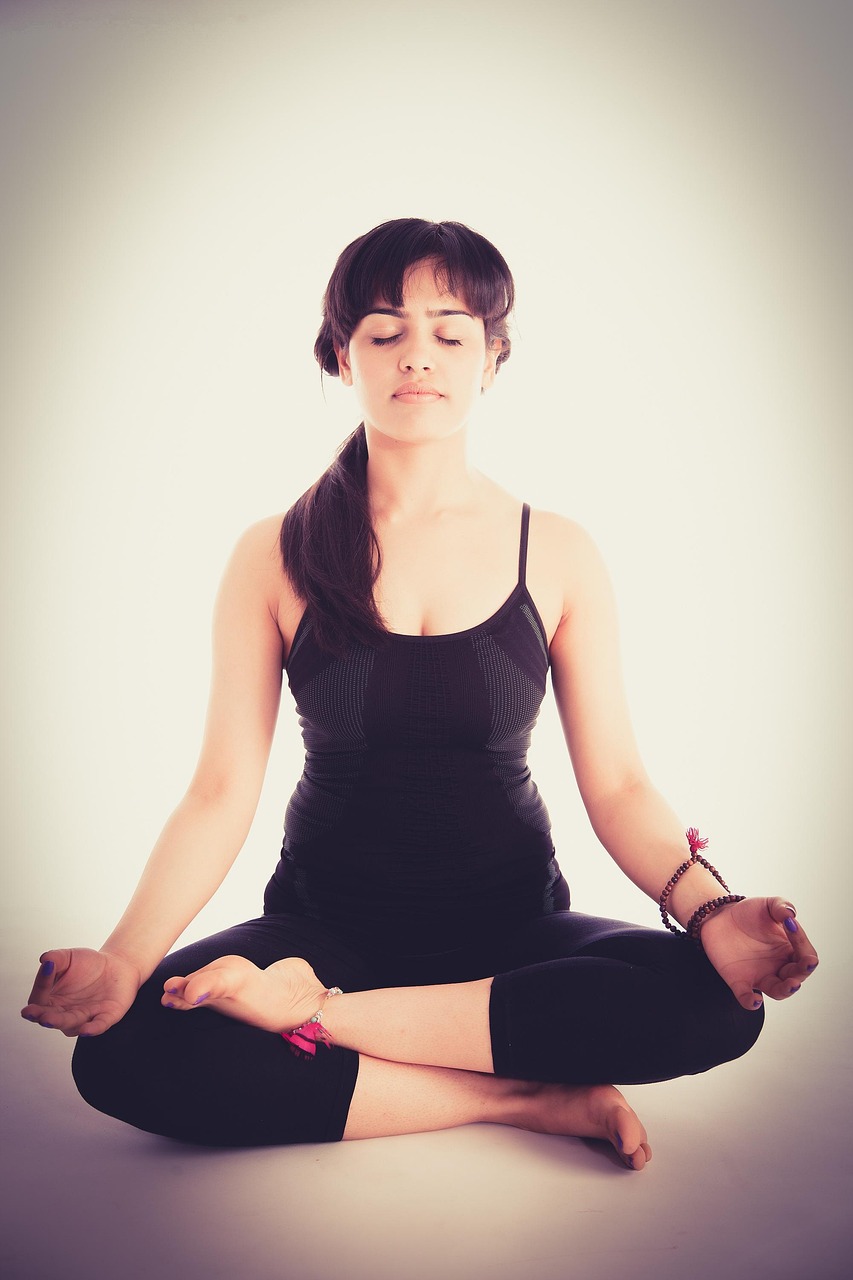
Five minutes daily is enough to begin. Sit comfortably, close your eyes, and focus on the physical sensation of breathing — the air entering your nostrils, the rise of your chest or belly. When your mind wanders (it will, constantly), notice without judgment and return to the breath. Apps: Headspace, Calm, and Insight Timer all provide guided introductions. The best app is the one you'll actually use.
Here's where I land on this: The best habit barely registers as effort. That's when you know it's working.
The Science Supporting Mindfulness
The strongest evidence for mindfulness meditation comes from Mindfulness-Based Stress Reduction (MBSR), the 8-week program developed by Jon Kabat-Zinn at UMass Medical School. Multiple randomized controlled trials show MBSR produces significant reductions in anxiety, depression, and perceived stress. The American Psychological Association and multiple national health systems now recognize mindfulness-based interventions as evidence-based treatments for anxiety, depression, and chronic pain. The effect sizes are meaningful — not placebo-level — and distinguish mindfulness from wellness practices with weaker evidence bases.
Starting Simply
The minimum effective dose that research supports: 10 minutes of focused attention on breathing (attending to breath sensations, noticing when attention wanders, gently returning without judgment) practiced daily for 8 weeks. The technology is irrelevant — a timer and silence works as well as any app. The consistency matters more than the session length; five minutes daily outperforms 30 minutes weekly for both skill development and stress reduction outcomes. Apps like Insight Timer, Headspace, and Calm provide useful structure for beginners but are not required for the practice to be effective.
Mindfulness in Daily Life
Formal sitting meditation is one form of mindfulness practice; informal mindfulness applied to daily activities is equally important in most mindfulness traditions. Eating, walking, washing dishes, and commuting can all be practiced with deliberate, non-judgmental attention to present experience rather than automatic pilot. The informal practice provides far more total daily mindfulness minutes than formal sitting alone and is particularly useful for people who find formal sitting difficult to maintain consistently. The integration of mindfulness into routine activities is where the stress reduction benefits appear to extend beyond formal practice sessions.
What Doesn't Work Despite Popularity
Many popular productivity and wellness approaches have weak or absent evidence supporting their effectiveness — they persist because they feel productive rather than because they demonstrably produce results. The techniques with the strongest evidence are often the least commercially interesting: consistent sleep schedules, regular moderate exercise, and deliberate practice of specific skills. These don't sell courses or apps as effectively as novel systems do.
Honest Bottom Line: MBSR (the 8-week mindfulness program) has multiple randomized controlled trials showing significant reductions in anxiety, depression, and chronic pain — recognized as evidence-based treatment by major health organizations. Minimum effective dose: 10 minutes daily focused attention for 8 weeks. Consistency matters more than session length. Informal mindfulness applied to daily activities provides as much benefit as formal sitting and is easier to maintain consistently. Apps provide useful structure but are not required.

Priya Sharma is a lifestyle writer and certified interior designer who covers the intersection of how we live, how we organize our spaces, and how those choices affect our wellbeing. With 7 years of writing experience an...
![Meditation [2026]: How to Actually Start (and Not Quit After Week 1)](/img/posts/fix-meditation-honest-guide-2026-7467c0e9.jpg)
![Nervous System Regulation: 5 Things That Actually Work [2026]](/img/posts/fix-nervous-system-regulation-honest-gu-098f2f8e.jpg)
![Emotional Intelligence [2026]: 5 Ways to Actually Develop It](/img/posts/fix-life-insurance-complete-guide-2026-7560ff3e.jpg)