How to Learn Japanese Kanji Without Losing Your Mind: The System That Actually Works
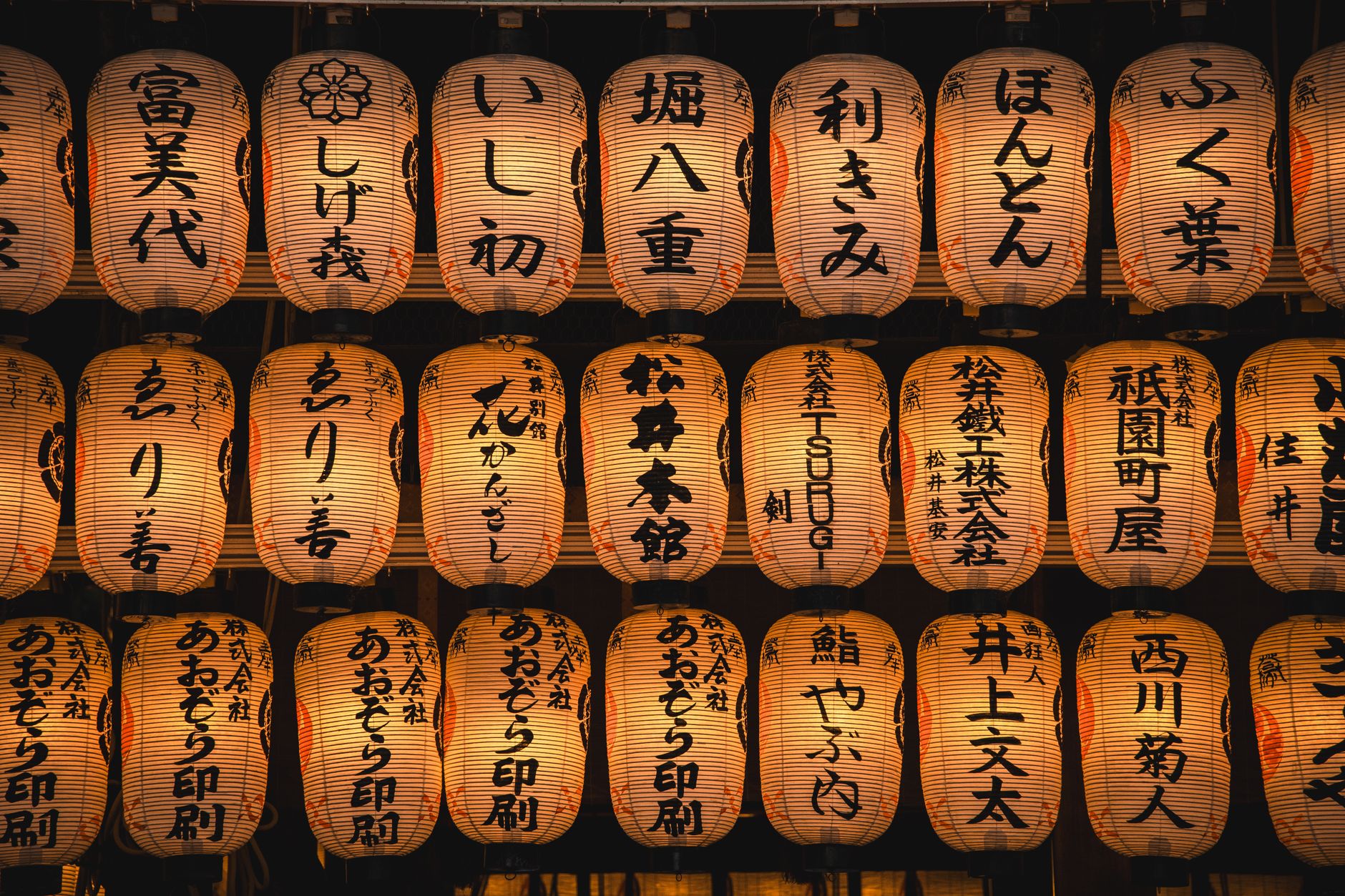
Kanji — the approximately 2,136 characters in common use in Japanese — is the reason most people either quit Japanese or plateau at a frustratingly low reading level. There's no way around learning kanji if you want genuine Japanese literacy. But there is a smarter approach than the traditional method of memorizing each kanji's stroke order, multiple readings, and example words all at once from the beginning. Here is the system that most successful Japanese learners eventually discover.
The RTK (Remembering the Kanji) Approach
James Heisig's "Remembering the Kanji" is the most controversial and most effective kanji learning method among serious Japanese learners. The approach separates the learning process into two stages: first, learn the meaning and writing of each kanji using a mnemonic story based on the kanji's component parts. Second (in a separate study phase), learn the readings and words that use each kanji in context. This separation is counterintuitive — traditional Japanese education teaches everything at once — but it's cognitively more efficient because it divides one complex task into two simpler ones.
The Radical System: Learning the Parts First
Kanji are not random brushstrokes — they're combinations of smaller components called radicals (部首, bushu). Learning the radicals first means you're learning a vocabulary of visual building blocks that recur across hundreds of characters. The kanji 明 (bright, clear) is composed of 日 (sun) + 月 (moon) — the sun and moon together produce brightness. Once you know the component radicals and have a mnemonic story for each character, the kanji is much more memorable than rote repetition produces.
The Realistic Timeline
With consistent daily study using RTK and Anki, most dedicated learners complete the 2,136 joyo kanji in 6-18 months depending on their daily study time. 20 new kanji per day (which takes about 30-40 minutes with Anki reviews) produces a 107-day completion timeline for the recognition phase. The readings and words come subsequently through immersion in Japanese media and vocabulary study. The complete literacy timeline is 2-4 years of consistent study — genuinely difficult but completely achievable.
The Bottom Line: RTK's two-stage approach (meaning/writing first, readings second) is more cognitively efficient than traditional all-at-once kanji learning. Learning kanji radicals first gives you visual building blocks that make new characters more memorable. With consistent Anki-based practice, 2,136 joyo kanji is achievable in 6-18 months. Kanji is the hardest part of Japanese — but it has a systematic solution.