Smart Home Privacy in 2026: What Your Devices Are Actually Collecting and What to Do About It
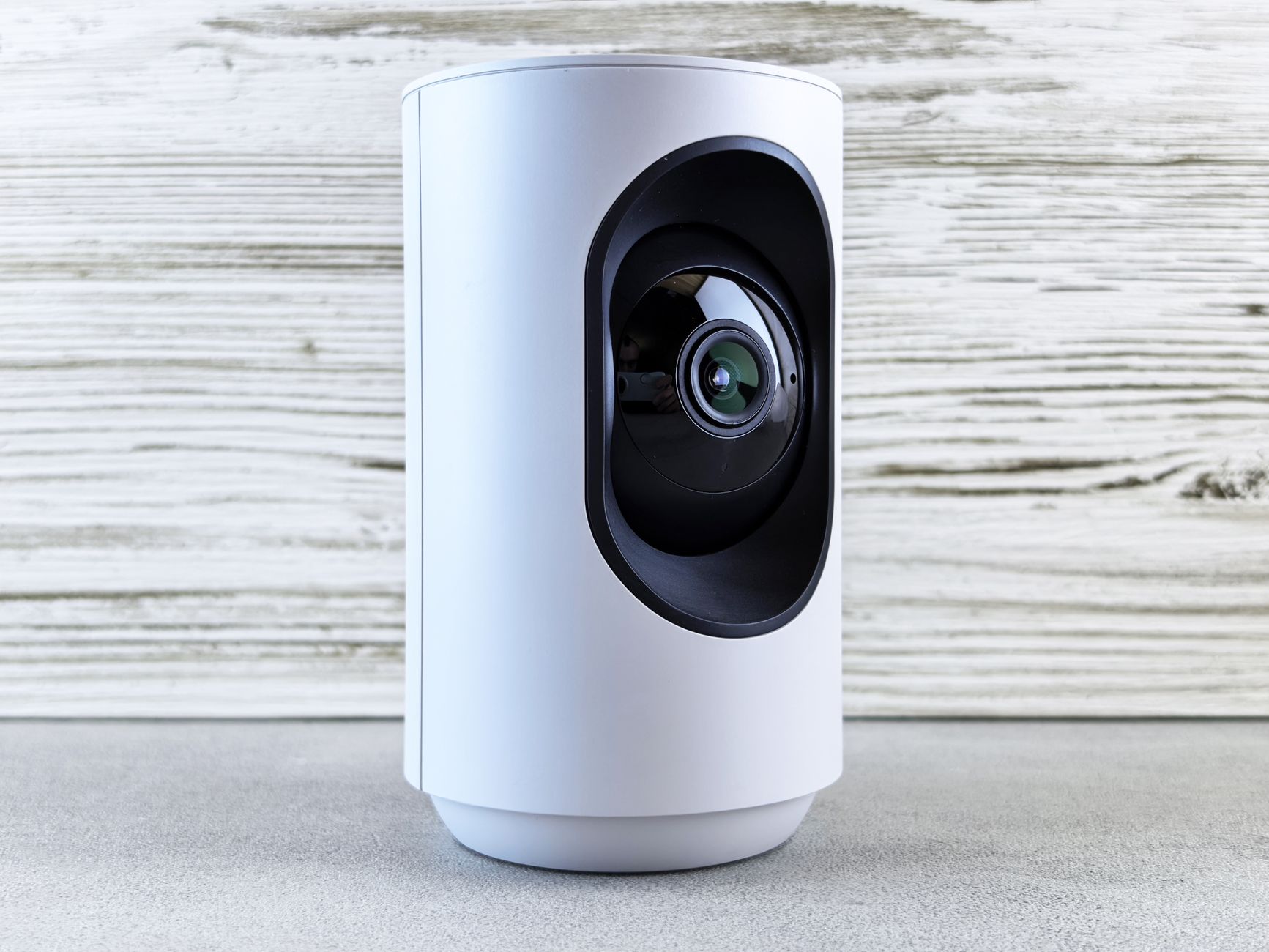
Smart home devices offer genuine convenience. They also represent a significant expansion of data collection into the most private space most people inhabit. Understanding what's actually collected, by whom, and what the practical privacy implications are allows for informed decisions rather than either uninformed adoption or reflexive avoidance.
What Smart Home Devices Actually Collect
Voice assistants (Amazon Echo, Google Nest, Apple HomePod): All three are always listening for their wake words. When a wake word is detected, a snippet of audio is sent to the company's servers for processing. Most companies store these recordings (with opt-out available in settings) and use them to improve speech recognition. Accidental activations — where the device activates without a clear wake word — are common, resulting in audio being captured without the user's intent.
What's less commonly understood: the devices also collect metadata about usage patterns — when you use them, which rooms in which sequences, your routines. This behavioral data is often more revealing than the audio content itself.
Smart cameras and doorbells: Video from security cameras and doorbells is typically stored in company cloud servers (Ring's cloud is Amazon; Nest's is Google). Many companies share this data with law enforcement on request, some without requiring a warrant. Ring's Neighbors program and similar features aggregate footage from multiple cameras in geographic areas, creating surveillance networks built from private consumer devices.
Smart TVs: Automatic Content Recognition (ACR) technology in most smart TVs tracks what you watch — regardless of whether you're using a streaming service's own app — and shares this with advertising networks. The data collection is disclosed in terms of service; the mechanism (IP identification of screen content) is not well understood by most consumers.
Smart appliances: Energy usage patterns from smart thermostats, washer/dryer cycles, refrigerator use, and similar devices create behavioral profiles of when occupants are home and what they're doing. This data has real economic value to insurers, advertisers, and utilities.
What Happens With the Data
The primary use is advertising targeting — devices collect data to build behavioral profiles that enable more precise advertising targeting across all of a company's platforms. Amazon's ability to use Echo data to inform Amazon advertising is an explicit part of their business model.
Law enforcement access is the second major use. The frameworks for requiring warrants versus other legal processes vary by device type, company policy, and jurisdiction. Amazon's disclosures about Ring footage sharing with law enforcement generated significant controversy because the extent of sharing without warrant requirements was larger than most users assumed.
Data breaches are the third risk — smart home devices have been compromised in documented cases, with home cameras providing the most concerning exposure. Ring cameras have been compromised to enable eavesdropping on and communication with household members.
Practical Privacy Steps That Actually Help
Segment your smart home devices on a separate network. Most routers support a guest network — putting smart home devices on the guest network prevents them from communicating directly with computers and phones on your main network if a device is compromised. This is a fifteen-minute setup change with meaningful security benefit.
Disable microphones when not in use. Echo devices have a hardware microphone mute button; using it when the device isn't needed eliminates accidental activation. Smart TVs have microphone settings in their privacy menu — disabling these doesn't affect TV functionality for most users.
Opt out of data retention for voice recordings on all devices. Amazon, Google, and Apple all provide settings to disable saving voice recordings. This doesn't prevent them from processing your requests; it prevents them from storing and reviewing the audio.
Choose local-processing alternatives where they exist. Home Assistant (open source home automation) runs locally rather than in the cloud, eliminating data transmission entirely. Zigbee and Z-Wave devices can be controlled locally without internet connectivity. The setup complexity is higher, but the privacy profile is fundamentally different.
Honest Bottom Line: Smart home devices collect audio, video, behavioral, and usage data that's primarily used for advertising targeting and available to law enforcement. Smart TVs use ACR to track viewing regardless of streaming service. Practical privacy steps with meaningful impact: segment devices on a guest network, disable microphones when not in use, opt out of voice recording storage, and consider local-processing alternatives like Home Assistant for highest-sensitivity applications.

Isabel Torres is an interior designer, home organization consultant, and lifestyle writer who has helped hundreds of clients transform their living spaces. She covers home design, organization, smart home technology, and...

![Smart Speakers [2026]: What Alexa, Google, and Siri Actually Do Well and Where They Fail](/img/posts/smart-speaker-honest-review-2026-6b9429a3.jpg)
![Smart Home in [2026]: What Is Actually Worth It and What Is Just Hype](/img/posts/fix-smart-home-honest-guide-2026-46250c19.jpg)
![The Matter Protocol in [2026]: Did It Actually Fix Smart Home Compa...](/img/posts/fix-matter-protocol-smart-home-2026-d8be209f.jpg)