Smart Home in [2026]: What Is Actually Worth It and What Is Just Hype
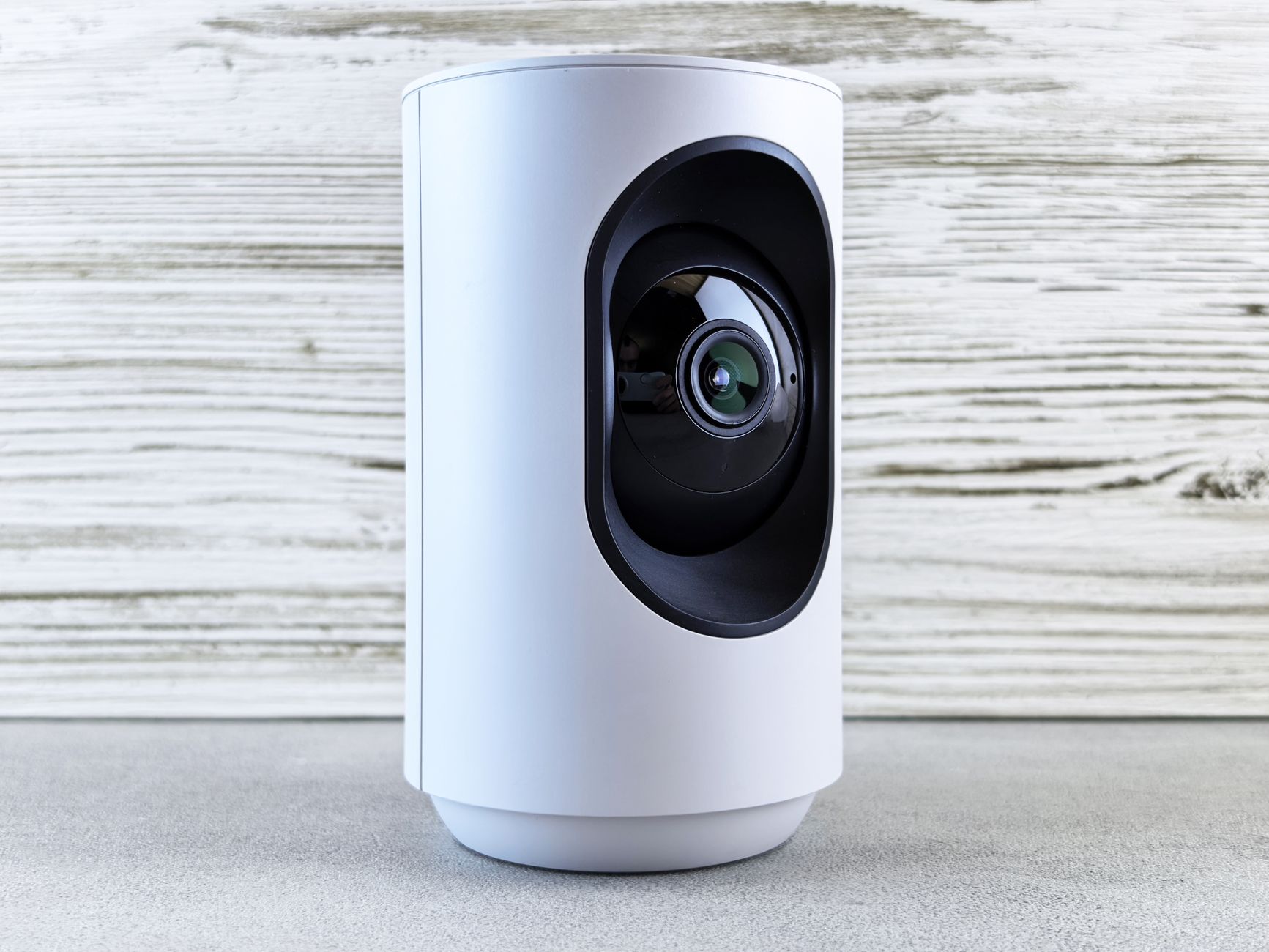
![Smart Home in [2026]: What Is Actually Worth It and What Is Just Hype](/img/posts/fix-smart-home-honest-guide-2026-46250c19.jpg)
Smart home technology has existed in consumer form for over a decade now, and the landscape has changed significantly. The early era of incompatible ecosystems, unreliable Wi-Fi devices, and elaborate setups that broke constantly has partially given way to more reliable hardware and the Matter protocol's attempt at genuine interoperability. But the fundamental question — what's actually worth the money and setup effort versus what's still more trouble than it's worth — deserves an honest answer rather than another "10 best smart home devices" list.
What Has Become Genuinely Useful
Smart thermostats (Ecobee, Google Nest) have a well-established case: they learn patterns, can be controlled remotely, and in most cases produce energy savings that offset their cost within 1-2 years for households with significant heating/cooling costs. This is the smart home category with the clearest ROI and the most reliable performance. The setup is straightforward, they work well, and the benefit is continuous. If you don't have one, this is the highest-value first smart home purchase.
Smart lighting (Philips Hue, LIFX) has become reliable and the use cases are real: automations that turn lights off when you leave, wake-up lighting that gradually brightens, and the ability to not fumble for switches are genuine quality-of-life improvements. The cost is higher than traditional lighting ($30-50/bulb versus $5-10), and the payback is quality-of-life rather than financial, but for people who spend significant time at home, the experience improvement is real.
Video doorbells and smart locks have strong adoption and clear value: seeing who is at your door from anywhere, package delivery verification, and keyless entry are all straightforwardly useful. The privacy trade-offs (particularly with cloud-based camera systems) are real and worth considering, but the utility is genuine.
What Is Still More Trouble Than It's Worth
Complex automations involving multiple brands and ecosystems still require significant maintenance. The promise of "set it and forget it" smart home automation that responds seamlessly to your presence and context hasn't been fully delivered — devices go offline, automations break when firmware updates, and the debugging time is real. The Matter protocol has helped but hasn't solved the problem entirely. Unless you enjoy tinkering with home automation as a hobby, elaborate multi-device automations often have a poor time-investment-to-value ratio.
Smart appliances (refrigerators, washing machines with Wi-Fi) are largely gimmicks at current prices. The connectivity adds cost without adding proportionate value — the ability to start your laundry from your phone isn't worth $300 in appliance premium for most people.
Research from the National Association of Realtors consistently finds that well-maintained, organized homes sell faster and at higher prices than equivalent properties with deferred maintenance — making home organization both a lifestyle and a financial consideration.
When to Call a Professional
DIY approaches have real limits, and the cost of discovering those limits after causing damage typically exceeds the cost of professional work upfront. Electrical work beyond simple fixture replacement, structural modifications, HVAC systems, and anything involving gas lines all carry risks that substantially exceed the skill level of most homeowners, regardless of YouTube tutorial quality.
When to Call a Professional
DIY home improvement has real limits, and discovering those limits after causing damage typically costs more than professional work upfront. Electrical work beyond simple fixture replacement, structural modifications, HVAC systems, gas lines, and waterproofing in wet areas all carry risks that substantially exceed typical homeowner skill levels regardless of available tutorials. Honest assessment of your capabilities before starting saves more money than optimism does.
Honest Bottom Line: Genuinely worth it: smart thermostats (clear ROI), video doorbells/smart locks (high practicality), smart lighting (quality of life improvement). Still overhyped: complex multi-brand automations, smart appliance premiums. Start with 1-2 devices and only expand when you enjoy the complexity.

Isabel Torres is an interior designer, home organization consultant, and lifestyle writer who has helped hundreds of clients transform their living spaces. She covers home design, organization, smart home technology, and...

![Smart Speakers [2026]: What Alexa, Google, and Siri Actually Do Well and Where They Fail](/img/posts/smart-speaker-honest-review-2026-6b9429a3.jpg)
![The Matter Protocol in [2026]: Did It Actually Fix Smart Home Compa...](/img/posts/fix-matter-protocol-smart-home-2026-d8be209f.jpg)