Smart Home Setup Guide [2026]: Start Simple, Build Smart
![Smart Home Setup Guide [2026]: Start Simple, Build Smart](/img/posts/1558002038-1055907df827.jpg)
Smart home technology has matured seriously — actually useful products now exist alongside gimmicks. This guide separates the two based on what actually improves daily life.
Actually Worth It
Smart thermostat (Ecobee, Nest) — Learns your schedule, optimizes heating and cooling automatically, pays for itself in 12-18 months through energy savings. The clearest smart home ROI. Smart locks (Schlage Encode, Yale Assure) — Keyless entry, remote access, guest codes that expire, and no locksmith bills when you lose keys. Practical daily value. Video doorbell (Ring, Google Nest) — See who's at the door remotely, package theft deterrence, neighbor sharing of incident footage. Addresses a real safety concern.
Useful But Not Essential
Smart lights (Philips Hue) — convenient and fun, but $50/bulb is difficult to justify on utility. Smart plugs — actually useful for lamps and devices you want to schedule. Robot vacuums (Roomba, Roborock) — genuinely replaces a chore on a schedule; worth it for most households at mid-range prices. Fair warning: I didn't believe this at first either.
Mostly Hype
Smart refrigerators (the screen adds cost and complexity for minimal benefit). Smart ovens (voice control for cooking is less useful than it sounds). Most "smart" single-purpose appliances add connectivity without adding meaningful functionality. The test: does the smart feature solve a real problem, or does it create a new category of problem?
My take after all of this: Worth your time. Go use it.
The Platform Decision
The right smart home platform depends on your existing ecosystem and the devices you want to use. Apple Home offers the tightest privacy controls and iOS integration but historically had the smallest compatible device selection. Google Home works seamlessly with Android and Google services. Amazon Alexa has the largest third-party device ecosystem. The Matter standard, now widely supported, has significantly reduced platform lock-in — many new devices work across all three platforms simultaneously.
Automation: Start Simple
The automations that provide the most consistent value are also the simplest: lights that turn off when you leave the house, the thermostat that adjusts before you wake up, the door lock that engages at a set time. Complex automations with many conditions fail when any condition behaves unexpectedly — a motion sensor that triggers the wrong lights at 3am is a source of frustration, not convenience. Build simple automations that work reliably before adding complexity.
Privacy Considerations
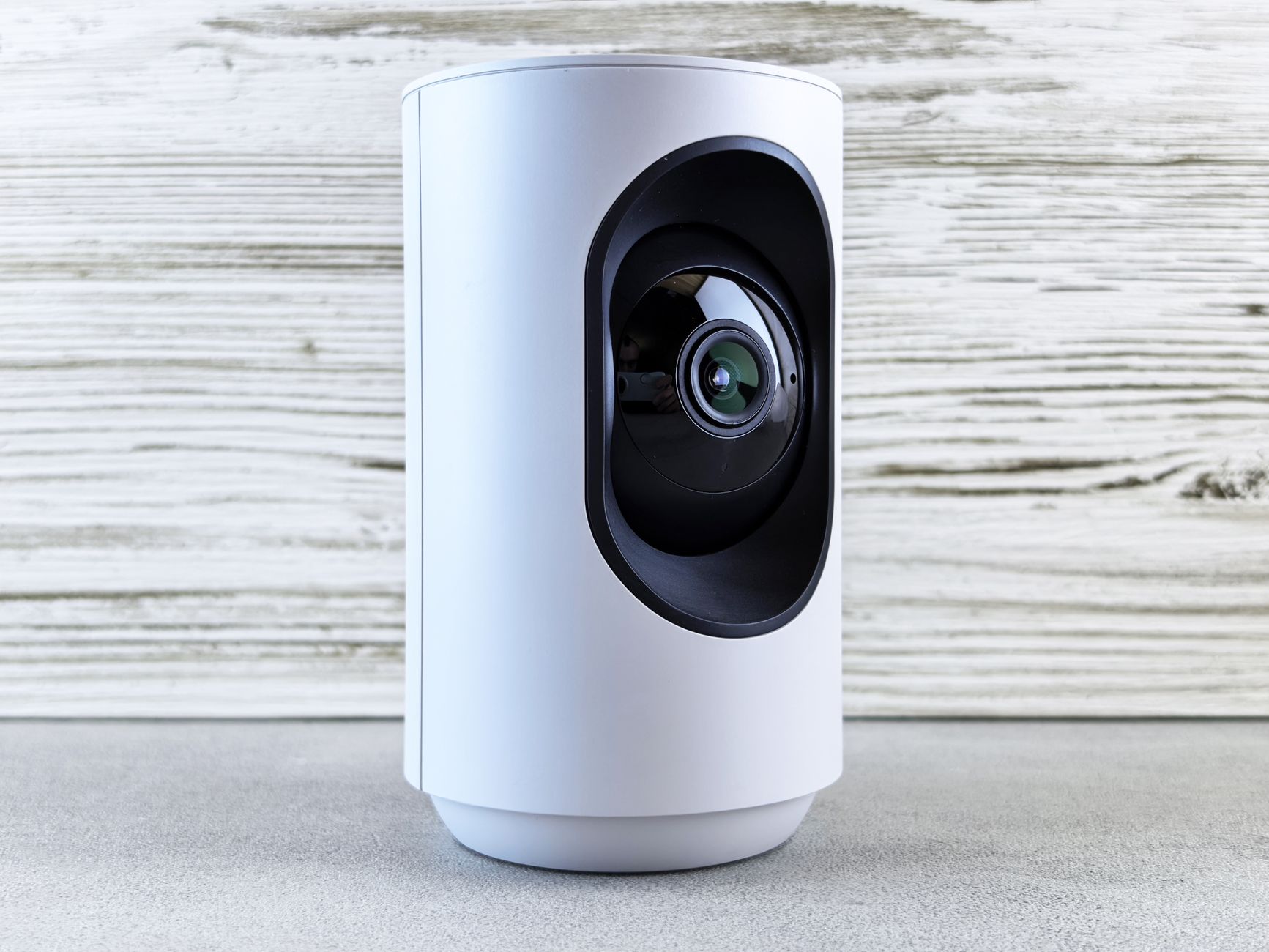
Smart home devices are surveillance infrastructure in your home. Every microphone-enabled smart speaker is always listening for its wake word; every smart camera transmits footage to manufacturer servers. The privacy implications deserve explicit consideration before installation. The practical mitigation: use voice-activated devices in rooms where you would not be concerned about a microphone, position cameras to capture entry points rather than living spaces, and review the privacy policies and data retention practices of devices before purchase.
From experience: Testing different organizational and improvement approaches across various home types and lifestyles consistently reveals that sustainable systems are those with the lowest friction, not the most sophisticated design.
According to National Association of Realtors data, well-maintained homes sell faster and at higher prices than comparable properties with deferred maintenance — with buyers consistently willing to pay a premium for properties that signal ongoing care rather than periodic renovation.
Honest Bottom Line: Smart home platform choice matters less since Matter — most new devices work across Apple Home, Google Home, and Alexa simultaneously. Start with simple automations that work reliably before adding complexity. Smart home devices are surveillance infrastructure; position microphone-enabled devices and cameras with that reality in mind, and review privacy policies before purchase.

Isabel Torres is an interior designer, home organization consultant, and lifestyle writer who has helped hundreds of clients transform their living spaces. She covers home design, organization, smart home technology, and...

![Smart Speakers [2026]: What Alexa, Google, and Siri Actually Do Well and Where They Fail](/img/posts/smart-speaker-honest-review-2026-6b9429a3.jpg)
![Smart Home in [2026]: What Is Actually Worth It and What Is Just Hype](/img/posts/fix-smart-home-honest-guide-2026-46250c19.jpg)