Lighting Design [2026]: 7 Ways to Make Any Room Feel Better
![Lighting Design [2026]: 7 Ways to Make Any Room Feel Better](/img/posts/fix-home-security-honest-guide-2026-2eb7342d.jpg)
Home security is an area where the psychological experience of feeling safe and the actual statistical reduction in risk can diverge significantly. Understanding what the evidence shows about what actually prevents break-ins and what primarily serves as reassurance allows more rational security investments. Here is the honest guide.
What the Research on Burglary Actually Shows
Criminological research on residential burglary is consistent on what deters it: evidence that someone is home (lighting, noise, movement), physical barriers that increase the time and effort required to enter, and the perceived likelihood of being observed. Opportunistic burglars (the majority of residential break-ins) choose targets based on ease of access and low risk of being caught, not based on valuable contents — they can't know what's inside before entering. This means deterrence measures that increase perceived effort and risk are effective; measures that affect only what happens after entry is achieved (safes, tracking devices) have less deterrent effect.
The statistics on alarm systems show that they reduce break-in frequency — the visible presence of an alarm system is a deterrent that opportunistic burglars respond to — and increase the chance of apprehension when break-ins do occur. The monitoring component (calling the police if an alarm triggers) has more mixed evidence; police response times often mean the burglar has left before police arrive. The deterrence value of the system sign and visible sensors is the primary security value.
The Highest-Value Physical Security Measures
Door security is the highest value physical security measure: most residential break-ins occur through doors, and door security is commonly weak. A deadbolt that extends into the door frame with a metal strike plate secured with 3-inch screws (most strike plates use 3/4-inch screws that don't reach the structural framing) is dramatically more resistant to kick-in entry than the standard lock setup in most homes. Door reinforcement kits (door frame reinforcement steel, hinge bolts) extend this further. This is a one-time investment that costs $50-150 and substantially improves the most common entry point against the most common entry method.
Lighting with motion sensors on the exterior of the home — particularly covering approaches to doors and windows — is the evidence-backed deterrent that security research most consistently supports. Well-lit approaches to a home substantially increase the perceived risk of being observed for a would-be intruder. Timer-controlled interior lighting during absences produces the "lights are on, someone might be home" effect that is genuinely deterring.
The Security Camera Question
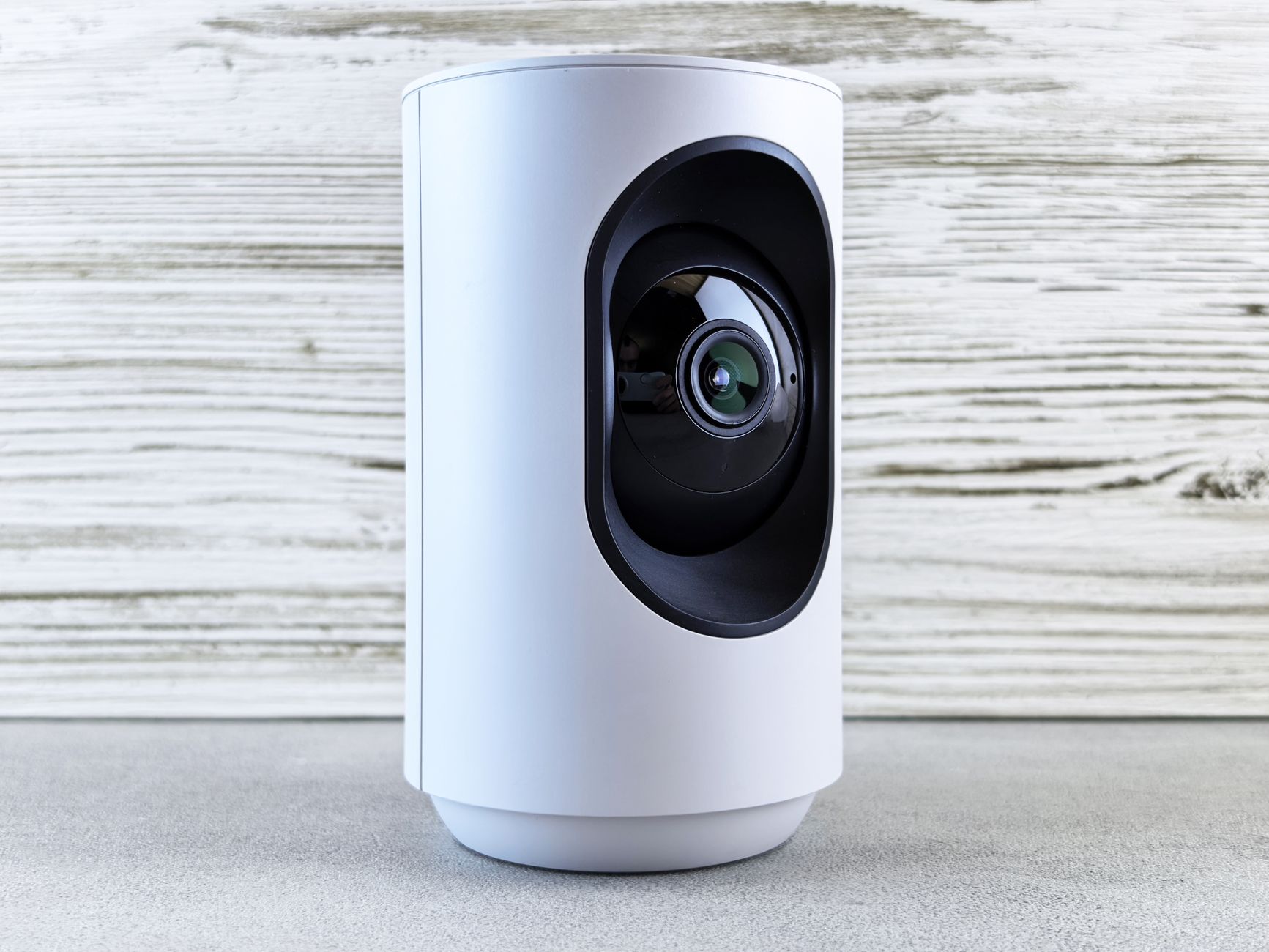
Security cameras have become very affordable ($30-200 for reasonable indoor or outdoor cameras) and have genuine evidence for post-event investigation utility — identifying perpetrators, providing evidence for insurance claims, and sometimes deterring crimes where cameras are visible. They're less effective as active crime prevention than as forensic tools: they record what happens but don't prevent it from happening in most cases. The exception is where cameras with floodlights and real-time alerts (Ring Spotlight, for instance) can be actively monitored — deterrence increases when someone actually responds to alerts during an event.
My honest take: Upgrade door strike plates to 3-inch screws and add motion-sensor exterior lighting first — these have the strongest evidence-to-cost ratio. An alarm system sign is a deterrent even without full monitoring. Cameras are forensic tools more than preventive ones.
According to National Association of Realtors data, well-maintained homes sell faster and at higher prices than comparable properties with deferred maintenance — with buyers consistently willing to pay a premium for properties that signal ongoing care rather than periodic renovation.
When to Call a Professional
DIY home improvement has real limits, and discovering those limits after causing damage typically costs more than professional work upfront. Electrical work beyond simple fixture replacement, structural modifications, HVAC systems, gas lines, and waterproofing in wet areas all carry risks that substantially exceed typical homeowner skill levels regardless of available tutorials. Honest assessment of your capabilities before starting saves more money than optimism does.

Isabel Torres is an interior designer, home organization consultant, and lifestyle writer who has helped hundreds of clients transform their living spaces. She covers home design, organization, smart home technology, and...

![Smart Speakers [2026]: What Alexa, Google, and Siri Actually Do Well and Where They Fail](/img/posts/smart-speaker-honest-review-2026-6b9429a3.jpg)
![Smart Home in [2026]: What Is Actually Worth It and What Is Just Hype](/img/posts/fix-smart-home-honest-guide-2026-46250c19.jpg)