Home Organization Systems in 2026: What Actually Sticks vs What Looks Good on Pinterest
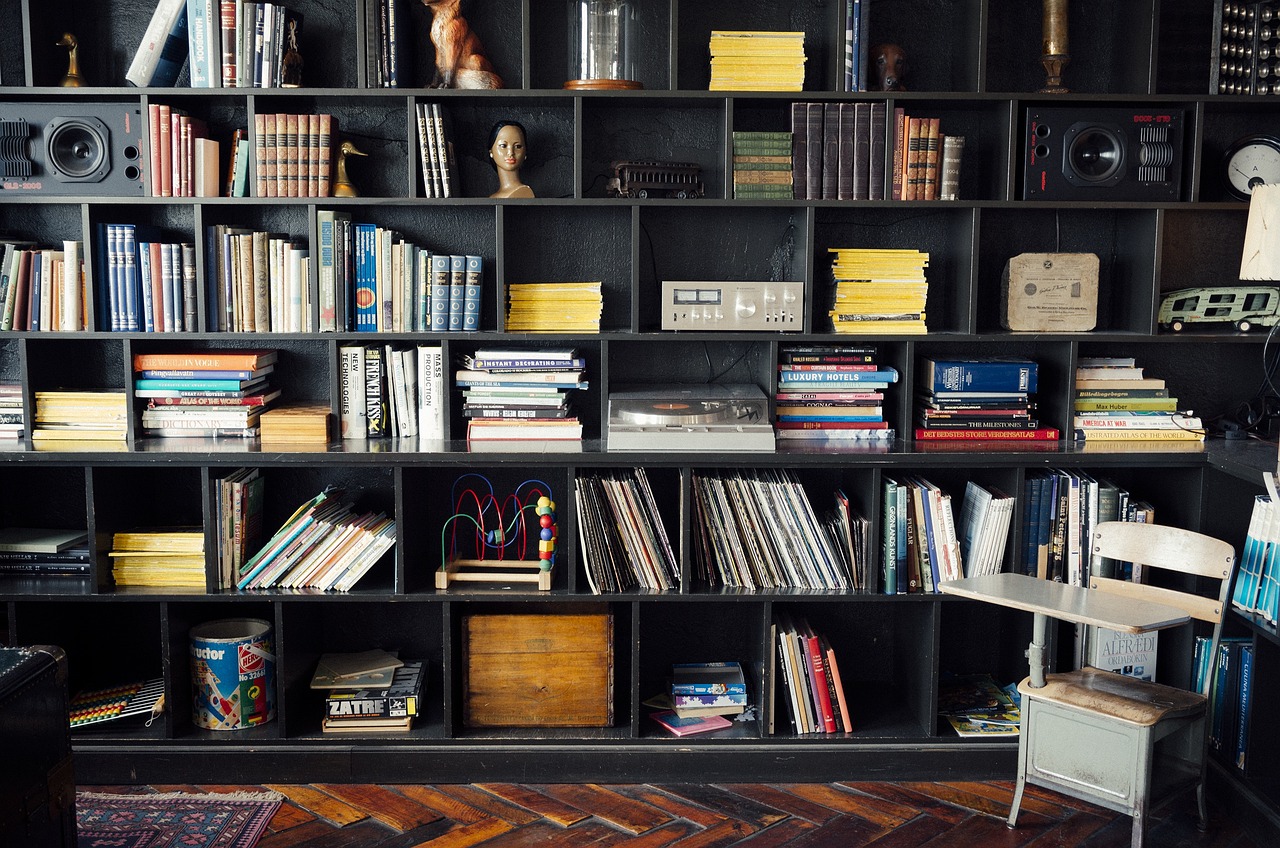
In ten years as an interior designer and organization consultant, I have helped hundreds of clients organize their homes. I have also watched the majority of elaborate organization systems that look beautiful in before-and-after photos collapse within six months. The reason is almost always the same: the system was designed for the imagined version of the person rather than the actual person, requiring habits they do not have and maintenance they cannot sustain. Here is the honest guide to organization systems that actually last.
Why Most Organization Systems Fail
The fundamental error of most home organization projects: designing the system for the ideal version of yourself rather than your actual behavior patterns. If you never put things back in their designated place immediately (most people do not), a system that requires immediate return-to-place fails. If your household has three children producing constant new paper and small objects, a system requiring zero surface clutter fails. If you have a visual memory and need to see things to remember they exist, a system with opaque containers and closed storage fails. Effective organization systems work with actual human behavior rather than requiring behavior change. A coat hook directly next to the door works better than a coat closet down the hall because it serves the behavior people already practice. A key hook at eye level beside the door works better than a key drawer because it works with the moment when keys are naturally put down.
The Principles That Actually Produce Lasting Organization
Everything needs a home: the most fundamental organization principle. Clutter accumulates where objects have no designated place and therefore get put down wherever. Creating a specific place for every category of object eliminates the question of where things go. The home should be near where the object is used: storage location should match use location as closely as possible. Kitchen tools should be near where they are used in cooking. Office supplies should be in the room where work happens. Bathroom supplies should be in the bathroom or directly accessible from it. Friction reduction: the easier it is to put something away, the more likely it will be put away. Every step between the object and its storage location is friction that reduces compliance. Open containers, hooks instead of hangers, and visible-from-where-you-stand storage reduce friction dramatically. Maintenance frequency matching: how often a space needs maintenance should match how frequently you actually perform maintenance. A kitchen counter that requires daily clearing works if you actually clear it daily; it fails if your actual pattern is weekly. Design the system for the maintenance frequency you actually practice, not the one you intend to practice.
Category-Specific Approaches That Work
Paper: the default destination of paper clutter in most homes is flat surfaces — counters, tables, and desks. The effective solution is not beautiful filing systems but reduction at the source (paperless billing, mail management) plus a simple inbox tray that is processed on a specific regular schedule. One well-maintained inbox beats an elaborate filing system that is never used. Clothing: the most impactful change for most closets is removing items not worn in the past year. A hanging closet works best with items hung facing the same direction, so you can see everything immediately. Folded items in drawers are best organized vertically (file-style rather than stacked) so everything is visible without disturbing other items. Kitchen: zone the kitchen by function — preparation zone with cutting boards and knives together, cooking zone with pots and utensils near the stove, storage zone for less-used items. Counter space should contain only what is used daily.
Honest Bottom Line: Organization systems fail when they are designed for the ideal version of the person rather than their actual behavior patterns. The principles that produce lasting organization: everything needs a designated home, storage location should be near point of use, friction must be minimized (open containers, hooks over hangers, visible storage), and maintenance frequency should match your actual practice rather than your intentions. For paper: reduce at source and use a simple inbox processed on a regular schedule rather than elaborate filing. For clothing: remove unworn items and use vertical folding for drawers. For kitchens: zone by function and keep only daily-use items on counters.

Isabel Torres is an interior designer, home organization consultant, and lifestyle writer who has helped hundreds of clients transform their living spaces. She covers home design, organization, smart home technology, and...
![Home Organization [2026]: What Actually Works vs the Instagram Aesthetic](/img/posts/home-organization-honest-guide-2026-05a1d432.jpg)

![Medieval History [2026]: 7 Myths That Movies Keep Getting Wrong](/img/posts/fix-paper-organization-honest-guide-202-b8e7c4cd.jpg)
![Home Security [2026]: 7 Upgrades That Actually Deter Burglars](/img/posts/fix-home-organization-honest-2026-2ef898a3.jpg)