Ancient Egypt [2026]: 7 Facts That Show How Advanced They Really Were
![Ancient Egypt [2026]: 7 Facts That Show How Advanced They Really Were](/img/posts/fix-small-space-design-honest-2026-ac08d3c0.jpg)
Small space design content tends to showcase unrealistically minimal and staged interiors that look great on Instagram and work poorly for actual living. The honest version of small space design is about making genuine trade-offs that fit your actual life — furniture that functions, storage that solves real problems, and design choices that improve how you experience the space rather than just how it photographs. Here is the framework that works.
The Furniture Scale Problem
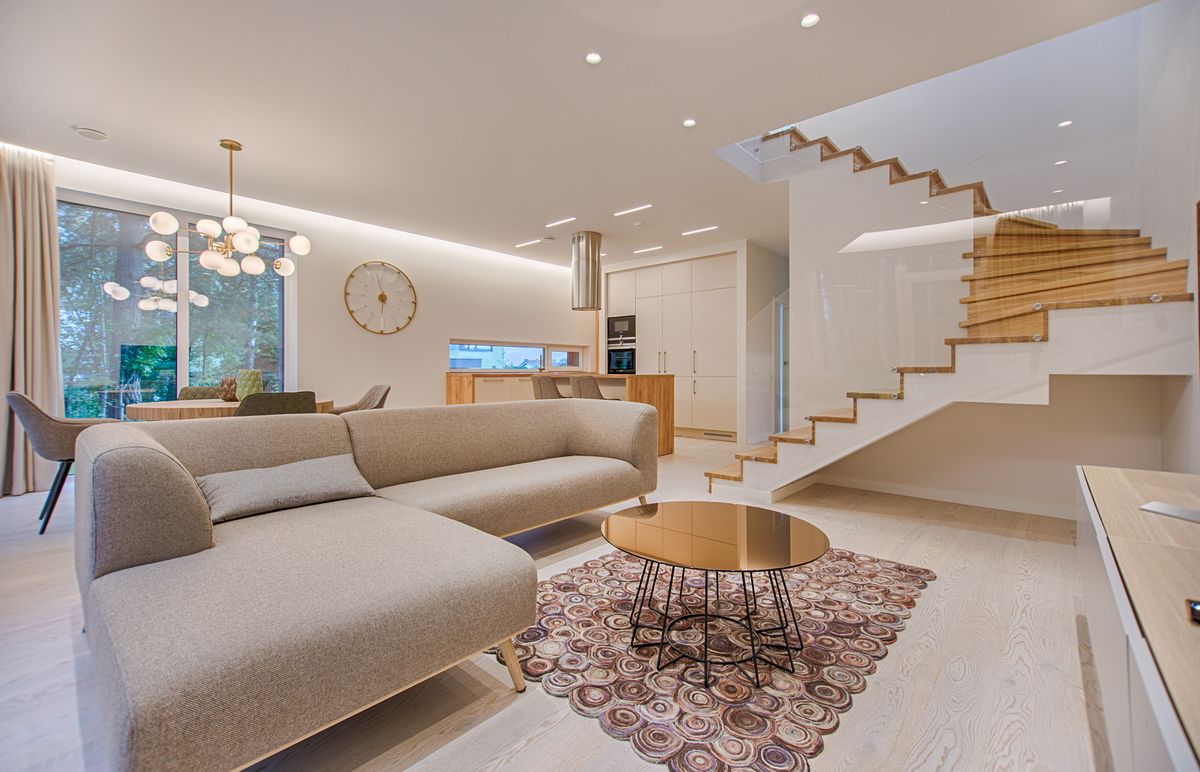
The most common small space mistake is furniture that's either too large (overwhelming the room) or too small (creating a "dollhouse" effect that makes the space feel more cramped, not less). Furniture scale should be proportional to room dimensions, but the relationship isn't simply "smaller room = smaller furniture." A few pieces at the right scale produce better results than many small pieces. The specific pieces that disproportionately affect small space perception: sofas (the largest piece in most living spaces — avoid sofas that extend below the seat cushions to floor level, which makes the room feel lower; legs create visual space underneath), dining tables (round tables take up less visual space than rectangular ones for equivalent seating capacity), and beds (storage beds eliminate the need for dressers or nightstands by incorporating them).
Light and Visual Space
Light is the most powerful tool for making small spaces feel larger. Natural light should be maximized — window treatments that can be fully opened to maximize light during the day, mirrors positioned to reflect natural light sources (a large mirror opposite or adjacent to a window effectively doubles the perceived light in a room), and light-colored walls that reflect rather than absorb light. Artificial light should come from multiple sources at different heights (table lamps, floor lamps, under-cabinet lighting) rather than a single overhead fixture, which flattens the room.
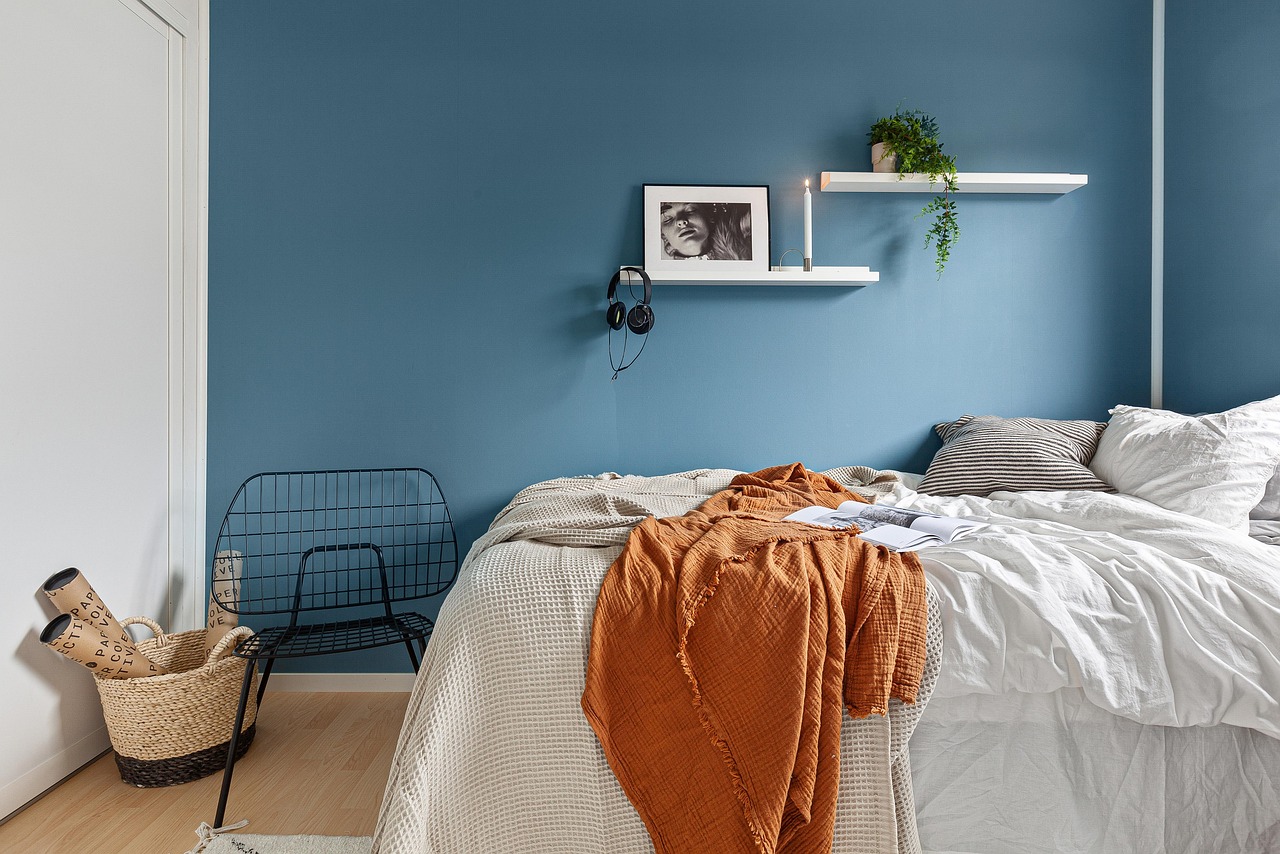
Visual continuity — using consistent materials, colors, and flooring throughout a small space — reduces the visual interruption that makes spaces feel fragmented and smaller. Dark accent walls in small spaces are almost always counterproductive despite their popularity; they reduce the apparent size of the room significantly. Light, cool neutrals expand apparent space; warm neutrals are more cozy but compress it slightly.
Storage: The Real Constraint
In small spaces, storage is the design constraint that everything else works around. Vertical storage (shelving to ceiling height rather than stopping at eye level) is underused in most small spaces — the space above eye level is often empty while floor space is at a premium. Under-bed storage in a well-organized form (not just general clutter storage) is the most valuable square footage in most small apartments. Entry organization (coat hooks, shoe storage, key hooks, mail organization) prevents the small space failure mode of visual chaos at the most-used transition point of the home.
According to National Association of Realtors data, well-maintained homes sell faster and at higher prices than comparable properties with deferred maintenance — with buyers consistently willing to pay a premium for properties that signal ongoing care rather than periodic renovation.
When to Call a Professional
DIY home improvement has real limits, and discovering those limits after causing damage typically costs more than professional work upfront. Electrical work beyond simple fixture replacement, structural modifications, HVAC systems, gas lines, and waterproofing in wet areas all carry risks that substantially exceed typical homeowner skill levels regardless of available tutorials. Honest assessment of your capabilities before starting saves more money than optimism does.
Honest Bottom Line: Right-scale furniture (not too small) produces better small space results than maximum minimalism. Light is the most powerful space-expansion tool — maximize natural light, use mirrors strategically, avoid dark accent walls. Vertical storage to ceiling height and under-bed storage are the most underused small space opportunities. Visual continuity (consistent materials and colors throughout) reduces fragmentation. The honest small space challenge is fitting your actual life into the space, not staging for photography.

Isabel Torres is an interior designer, home organization consultant, and lifestyle writer who has helped hundreds of clients transform their living spaces. She covers home design, organization, smart home technology, and...
![Smart Home Interior Design [2026]: Integrating IoT Without Sacrificing Aesthetics](/img/posts/smart-home-interior-iot-2026-52c410ab.jpg)
![Interior Design [2026]: The Rules That Actually Work and the Trends Worth Ignoring](/img/posts/fix-interior-design-honest-guide-2026-e1b59c63.jpg)