Designing a Rental [2026]: What Tenants Actually Want to Stay In
![Designing a Rental [2026]: What Tenants Actually Want to Stay In](/img/posts/fix-rental-apartment-design-honest-2026-b1facb8a.jpg)
Rental living has specific design constraints — you can't paint, drill freely, or make permanent structural changes in most rentals without risking your security deposit. But the range of what you can do without permanency is larger than most renters realize, and the difference between an impersonal rental and a genuinely personalized space that feels like home can be achieved within those constraints. Here is the honest guide.
What's Actually Reversible
Command strips and similar adhesive hanging systems have improved significantly — they now reliably hold frames up to 7-10 pounds on most wall surfaces without damaging paint, and they're specifically designed for renters for exactly this reason. Curtain rods with tension (spring-loaded, requiring no drilling) work well for lightweight curtains in standard window frames. Removable wallpaper has become genuinely good — the peel-and-stick products from brands like Tempaper and Chasing Paper are both visually appealing and actually removable without wall damage when done correctly (temperature matters: removal in moderate temperatures, not cold, reduces tearing). These three products expand renter options substantially beyond what was possible a decade ago.
Furniture arrangement is the most powerful and most free change available in any space — and it's completely reversible. Most renters put furniture where it was when they moved in and never reconsider it. Trying multiple furniture arrangements (even conceptually, using graph paper or a floor plan app before moving anything heavy) often reveals options that dramatically improve flow, light, and the sense of space.
What Personalization Actually Requires
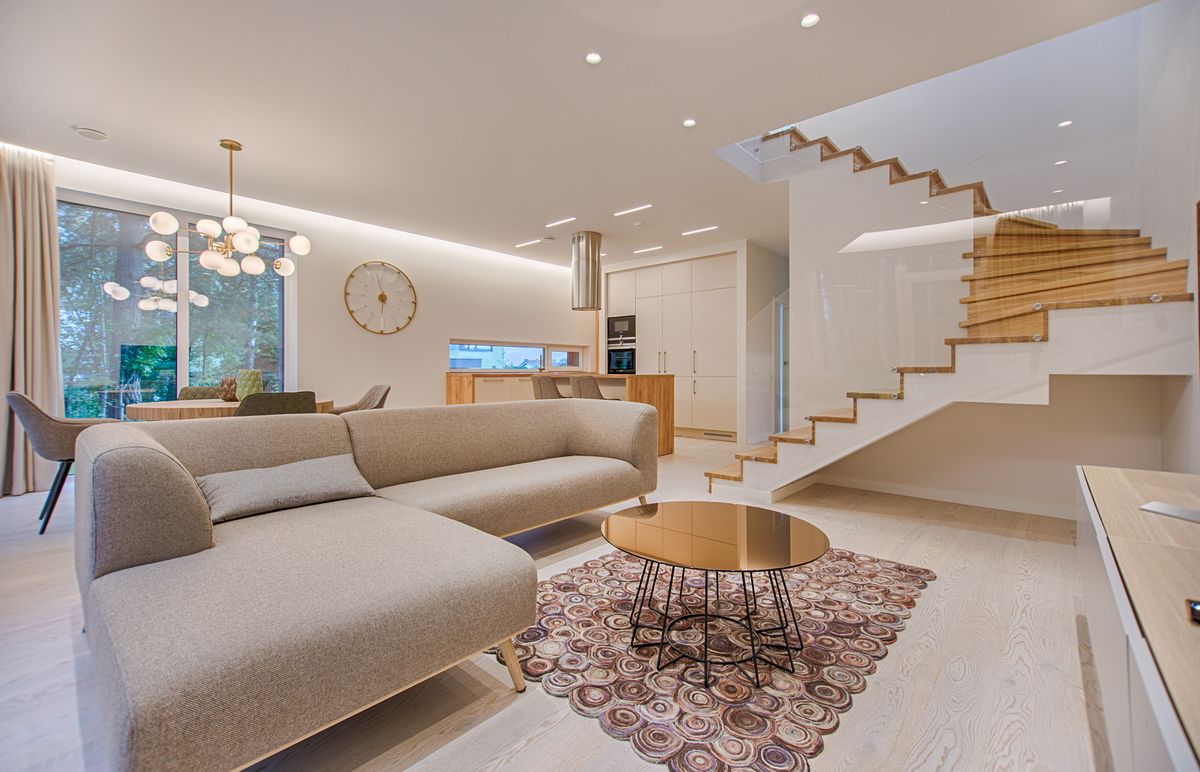
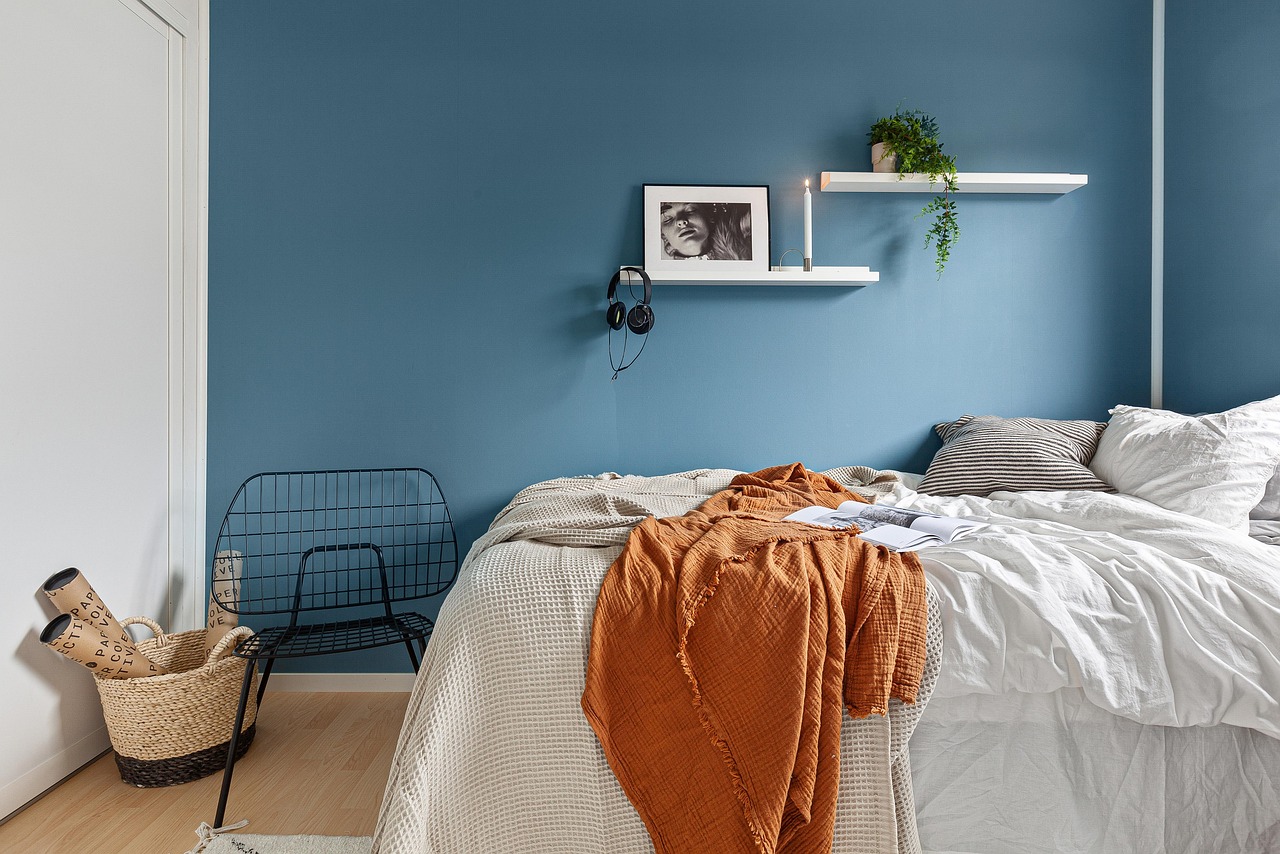
The elements that transform an impersonal space into a personal one are primarily portable objects rather than permanent changes: rugs (which define zones, add warmth, and cover whatever flooring you inherited), throw pillows and textiles (which add color, texture, and softness), plants (which add life and visual interest in ways that nothing inanimate replicates), lighting (floor lamps, table lamps, and string lights that replace the bare overhead fixtures most rentals have with warmer, layered light), and books, art, and objects that reflect your actual interests.
The lighting point deserves emphasis: most rental apartments have overhead fluorescent or builder-grade fixture lighting that produces a flat, institutional quality of light. Replacing this with a combination of floor lamps, table lamps, and possibly string lights (without touching any electrical work) changes the atmosphere of a room more dramatically than any furniture purchase. This is the highest-value, lowest-cost improvement available to most renters.
The Budget Allocation That Produces the Most Impact
For renters with a limited improvement budget: rugs first (the most transformative portable element in most spaces), lighting second (table and floor lamps to layer the lighting), and plants third. Art and decorative objects have high personal value but lower spatial impact than these three categories. Furniture purchasing makes sense for pieces you'll keep and use in your next space, not for pieces sized specifically for your current rental dimensions.
My honest take: Rugs, layered lighting, plants, and removable wallpaper for an accent area produce the most transformation per dollar in a rental. Command strips and tension rods handle hanging without wall damage. The furniture arrangement is free to change and almost always underexplored.
From experience: Testing different organizational systems across various home types and lifestyles consistently reveals that the systems people actually maintain are those with the lowest friction, not the most elaborate ones.
Research from the National Association of Realtors consistently finds that well-maintained, organized homes sell faster and at higher prices than equivalent properties with deferred maintenance — making home organization both a lifestyle and a financial consideration.
When to Call a Professional
DIY home improvement has real limits, and discovering those limits after causing damage typically costs more than professional work upfront. Electrical work beyond simple fixture replacement, structural modifications, HVAC systems, gas lines, and waterproofing in wet areas all carry risks that substantially exceed typical homeowner skill levels regardless of available tutorials. Honest assessment of your capabilities before starting saves more money than optimism does.

Isabel Torres is an interior designer, home organization consultant, and lifestyle writer who has helped hundreds of clients transform their living spaces. She covers home design, organization, smart home technology, and...
![Smart Home Interior Design [2026]: Integrating IoT Without Sacrificing Aesthetics](/img/posts/smart-home-interior-iot-2026-52c410ab.jpg)
![Interior Design [2026]: The Rules That Actually Work and the Trends Worth Ignoring](/img/posts/fix-interior-design-honest-guide-2026-e1b59c63.jpg)