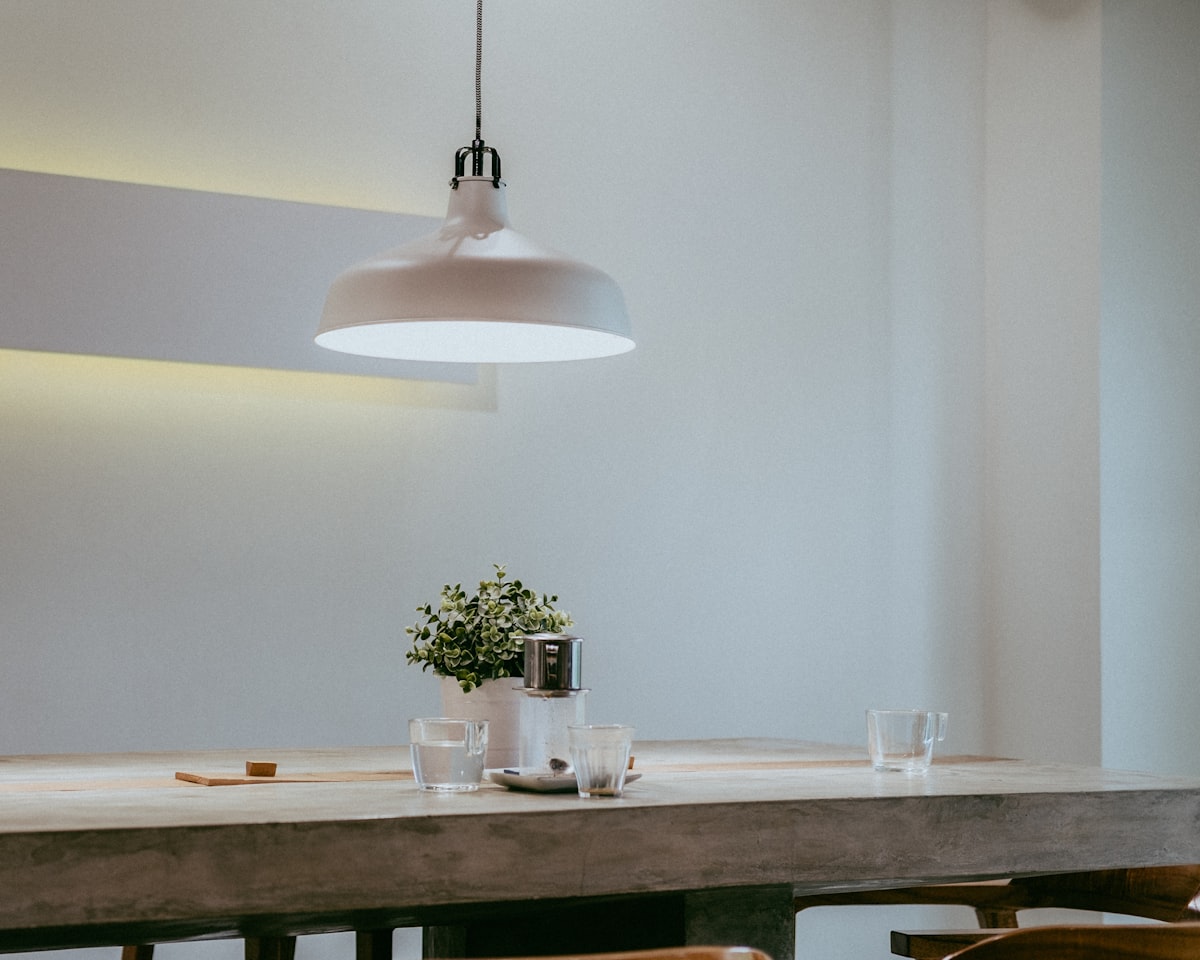
Minimalism at Home in 2026: What the Lifestyle Actually Requires vs What It Promises
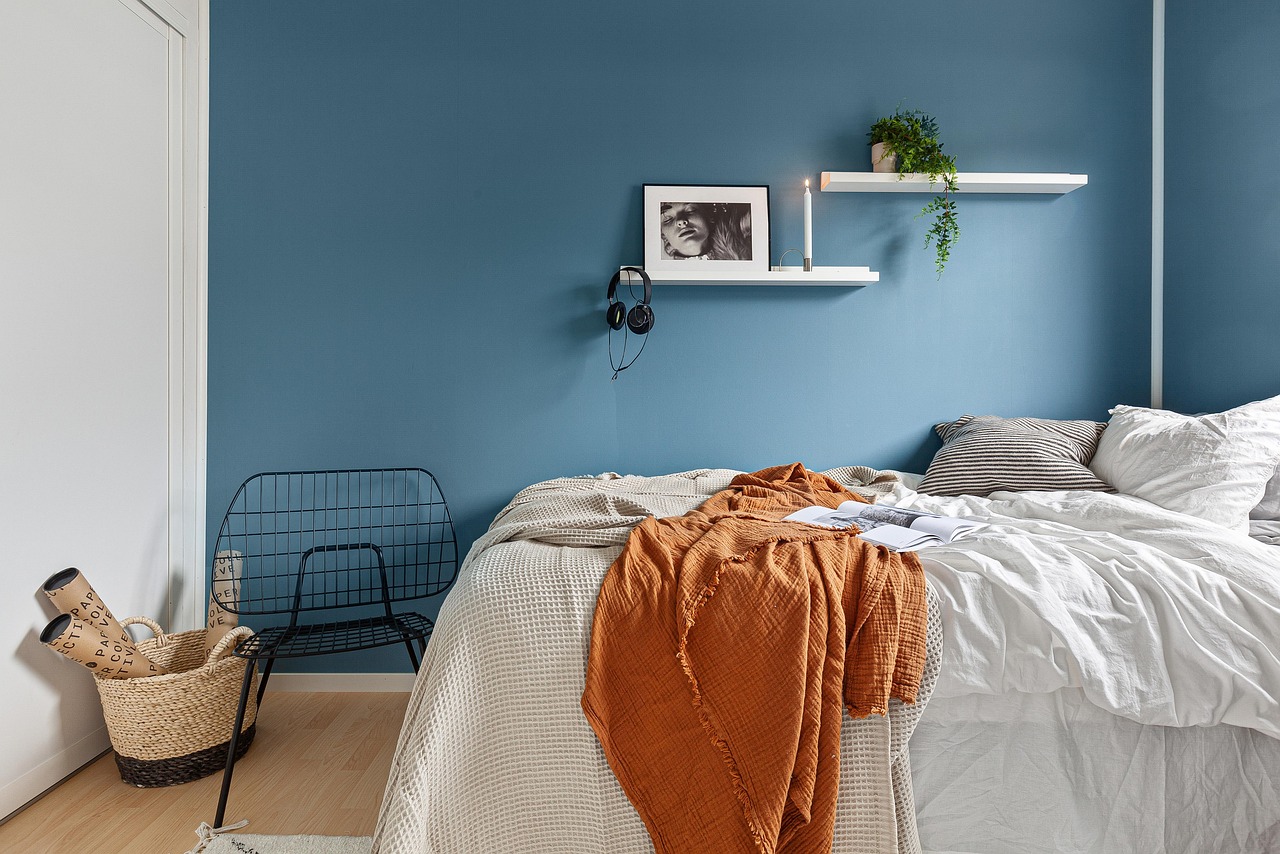
As an interior designer who has worked with hundreds of clients, I have watched the minimalism trend evolve from a niche aesthetic into a mainstream aspiration. I have also watched many clients attempt minimalism and give up within months, and others successfully transform their homes in ways that genuinely improved their daily lives. The difference between successful and unsuccessful minimalism transitions almost always comes down to understanding what minimalism actually requires versus what the aspirational Instagram version suggests. Here is the honest guide.
What Minimalism Actually Is (Several Competing Definitions)
Minimalism as an aesthetic means spaces with fewer objects, neutral palettes, clean lines, and deliberate emptiness. This is the version most people encounter first — the white walls, natural wood, single statement piece version visible in design media. Minimalism as a philosophy means owning intentionally — keeping only what serves a purpose or brings genuine value, and being deliberate about what you acquire. These two versions are related but not the same. You can achieve the aesthetic without the philosophy (carefully curated expensive objects in a deliberately styled space) or practice the philosophy without the aesthetic (fewer but more functional objects that do not conform to the visual style). Understanding which version you are attracted to clarifies what changes will actually produce what you want.
The Real Work of Decluttering
The first step of any genuine minimalism practice is decluttering, and decluttering is much harder than most guides acknowledge. The difficulty is not physical — going through possessions and putting things in boxes is straightforward. The difficulty is psychological. Possessions carry emotional weight: gifts from people who matter, objects from significant life periods, things that represent aspirational future selves (exercise equipment, books unread, craft supplies for projects not started). The decision to release these objects requires confronting feelings about relationships, past choices, and who you are versus who you intended to be. This is genuinely difficult work, and the advice to simply ask yourself whether it sparks joy (Marie Kondo) or whether you need it (various minimalism guides) glosses over the psychological complexity of these decisions. Expect the process to take significantly longer than guides suggest — most people underestimate by a factor of three to five how long a thorough declutter of a full household takes, and how emotionally taxing it is.
What Minimalism Actually Delivers
The benefits that minimalism consistently delivers for people who successfully achieve it: reduced cleaning time (fewer objects means less to clean around and fewer surfaces where objects accumulate). Reduced decision fatigue (a more curated wardrobe, pantry, and workspace reduces the number of small decisions required daily). Reduced visual stress in the home environment (clutter correlates with higher cortisol levels in research). Easier space management (finding things is faster when there are fewer things). These are real and meaningful benefits. What minimalism does not deliver: it does not simplify your life in any dimension beyond the physical environment. It does not reduce obligations, relationship complexity, professional demands, or cognitive load from sources outside the home. The minimalism-as-life-philosophy extension of the home design approach often overclaims here — removing objects from your house does not remove complexity from your life.
The Maintenance Challenge
The part most minimalism guides skip: maintaining a minimalist home requires ongoing effort that is different from but not necessarily less than the effort of managing a more cluttered space. Objects enter homes through purchases, gifts, work brought home, children's belongings, and countless other channels. Without active systems for preventing accumulation — one-in-one-out rules, regular reassessment cycles, conscious acquisition habits — minimalist spaces revert to cluttered spaces within one to two years in most households.
Honest Bottom Line: Minimalism delivers real benefits — less cleaning time, reduced decision fatigue, lower visual stress, easier space management. The work required is more extensive and more emotionally complex than guides typically suggest — expect the decluttering process to take three to five times longer than estimated and to involve genuinely difficult psychological decisions about possessions with emotional weight. Minimalism does not simplify your life beyond the physical environment — the lifestyle-philosophy extension of the design approach overclaims here. Maintenance requires active systems (one-in-one-out rules, regular reassessment) because objects accumulate continuously without them.

Isabel Torres is an interior designer, home organization consultant, and lifestyle writer who has helped hundreds of clients transform their living spaces. She covers home design, organization, smart home technology, and...
![Smart Home Interior Design [2026]: Integrating IoT Without Sacrificing Aesthetics](/img/posts/smart-home-interior-iot-2026-52c410ab.jpg)
![Interior Design [2026]: The Rules That Actually Work and the Trends Worth Ignoring](/img/posts/fix-interior-design-honest-guide-2026-e1b59c63.jpg)