Minimalist Home Design [2026]: 7 Rules That Make Any Space Feel Bigger
![Minimalist Home Design [2026]: 7 Rules That Make Any Space Feel Bigger](/img/posts/1484101403633-562f891dc89a.jpg)
Minimalism has evolved from an aesthetic trend into a philosophy of intentional living. In 2026, the most compelling minimalist interiors don't look sparse or clinical — they look calm, purposeful, and surprisingly personal. I'll walk you through the principles and practical steps to create a minimalist home that actually feels like home.
The Principles of Minimalist Design
1. Quality Over Quantity
Minimalism isn't about owning fewer things — it's about owning better things. One excellent sofa that you'll want to keep for 20 years is more minimalist in spirit than three mediocre ones that cycle through every few years. Invest in the pieces you interact with daily (bed, seating, work chair) and be more restrained with decorative items.
2. Every Object Should Earn Its Place
Before anything enters a minimalist home, it should pass one of three tests: Is it beautiful? Is it useful? Does it bring joy? Objects that satisfy none of these criteria — decorative items that you feel neutral about, furniture that serves no function, sentimental objects that create guilt rather than warmth — create visual noise without contributing anything.
3. Negative Space Is Design
In minimalist design, the spaces between objects are as important as the objects themselves. Bare wall sections, clear surfaces, and uncluttered floors contribute to the feeling of calm that distinguishes minimalist from merely empty spaces. Fair warning: I didn't believe this at first either.
Room-by-Room Guide
Living Room
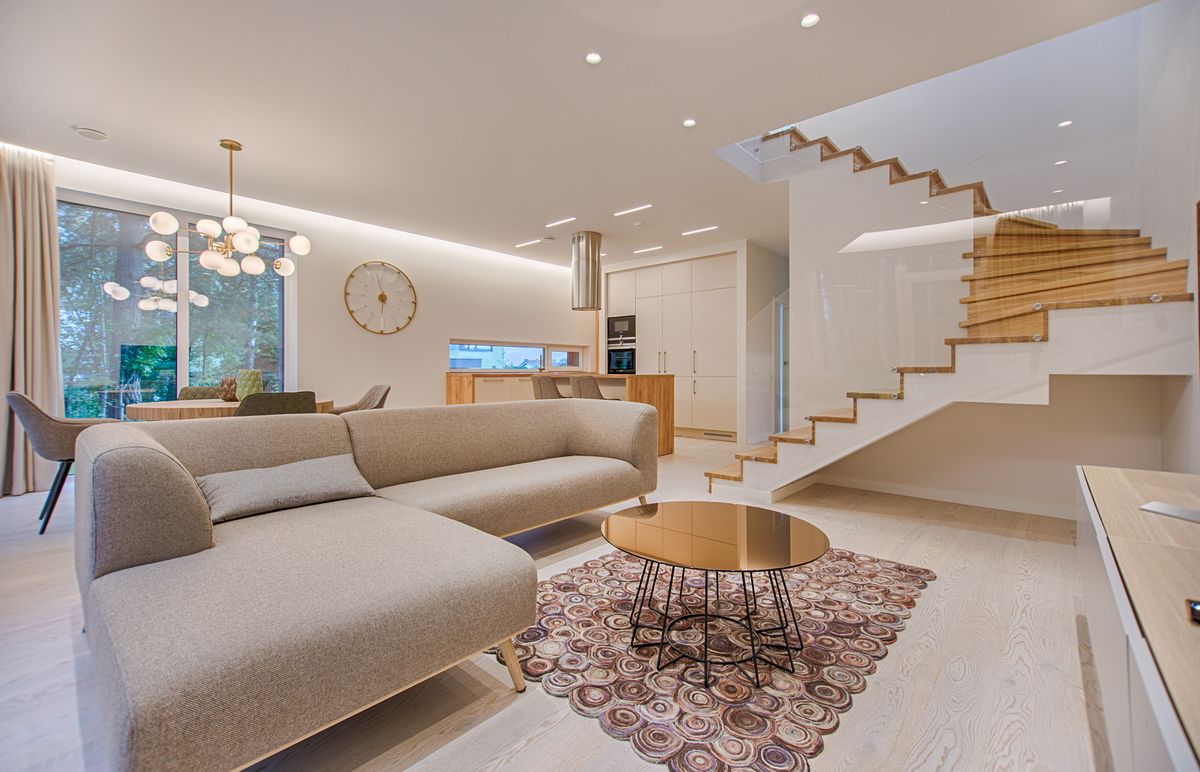
Anchor with one quality sofa and two seating options maximum. A single statement coffee table with nothing on it except one object of beauty. One large piece of art rather than a gallery wall. Limit cushions to a functional number. A single well-placed plant. Concealed storage for everything that would otherwise sit on surfaces.
Bedroom
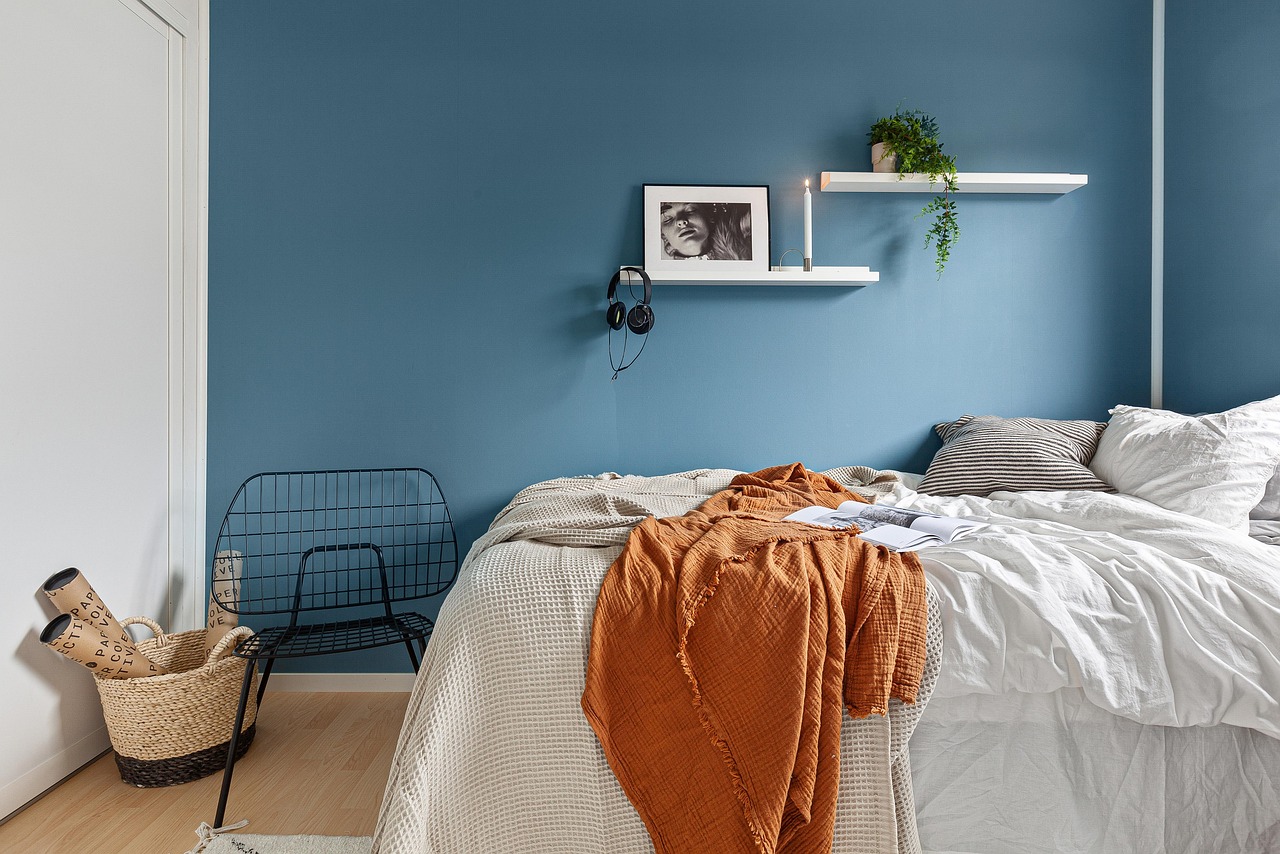
The bedroom should contain: a bed, two bedside tables, one storage piece (wardrobe or chest), and nothing else on the floor. Bedside tables with only what you use nightly — phone, lamp, book, water. No decorative items that collect dust. The minimalist bedroom prioritizes sleep quality over aesthetic complexity.
The Edit Process
Transitioning to a minimalist home doesn't require an overnight purge. The 90/90 rule: have you used this item in the last 90 days? Will you use it in the next 90? If no to both, remove it. The packing party method: box everything in a room as if moving, and only unpack things as you actually need them over the next 30 days. What remains boxed after 30 days can go.
What I actually think: Worth your time. Go use it.
From experience: Testing different organizational systems across various home types and lifestyles consistently reveals that the systems people actually maintain are those with the lowest friction, not the most elaborate ones.
Research from the National Association of Realtors consistently finds that well-maintained, organized homes sell faster and at higher prices than equivalent properties with deferred maintenance — making home organization both a lifestyle and a financial consideration.

Isabel Torres is an interior designer, home organization consultant, and lifestyle writer who has helped hundreds of clients transform their living spaces. She covers home design, organization, smart home technology, and...
![Smart Home Interior Design [2026]: Integrating IoT Without Sacrificing Aesthetics](/img/posts/smart-home-interior-iot-2026-52c410ab.jpg)
![Interior Design [2026]: The Rules That Actually Work and the Trends Worth Ignoring](/img/posts/fix-interior-design-honest-guide-2026-e1b59c63.jpg)