Interior Design Guide for Beginners [2026]: Where to Actually Start
![Interior Design Guide for Beginners [2026]: Where to Actually Start](/img/posts/1555041469-a586c61ea9bc.jpg)
Interior design doesn't require a professional or a large budget — it requires understanding a few fundamental principles and applying them consistently. The most beautifully designed spaces follow the same rules whether they cost $500 or $50,000 to furnish.
The Foundation: Scale and Proportion
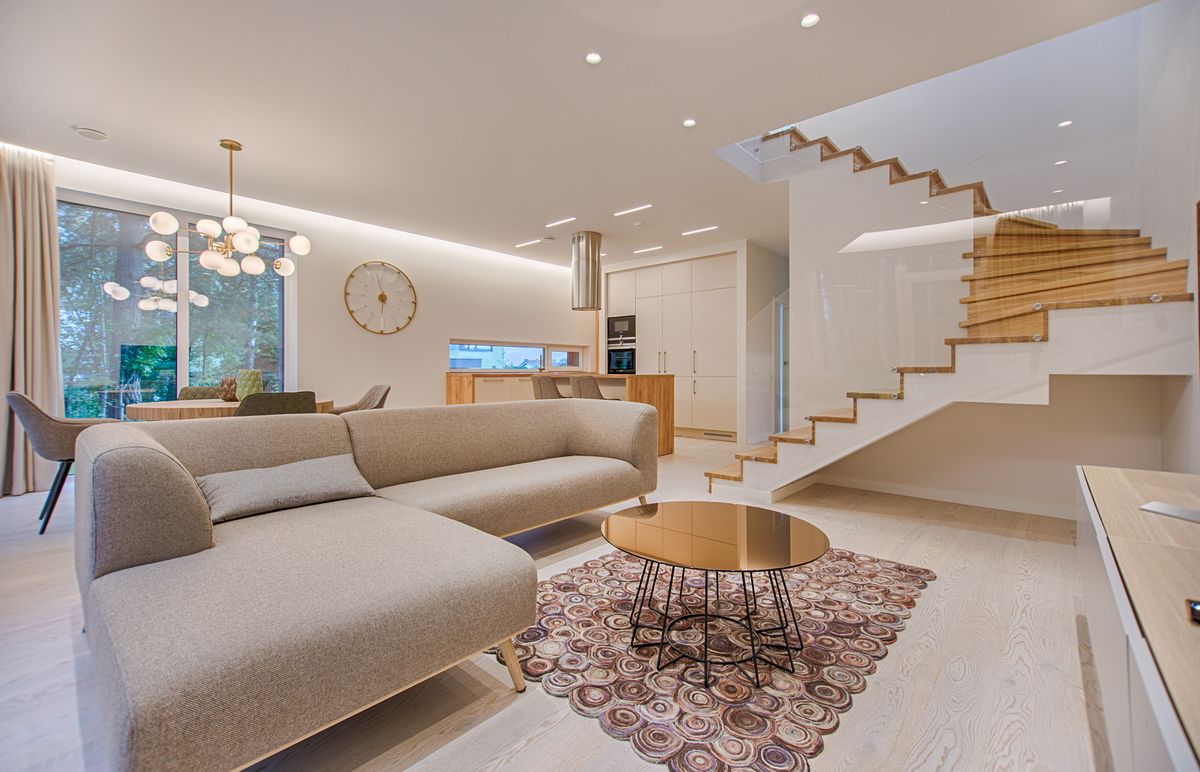
The most common amateur design mistake is furniture that's the wrong scale for the room. A sofa that's too small makes a room feel empty; furniture that's too large makes it feel cramped. Rule of thumb: in a living room, the sofa should be 2/3 to 3/4 the length of the wall it faces. Coffee table should be 2/3 the length of the sofa. Area rug should extend under the front legs of all seating.
Color Theory Basics
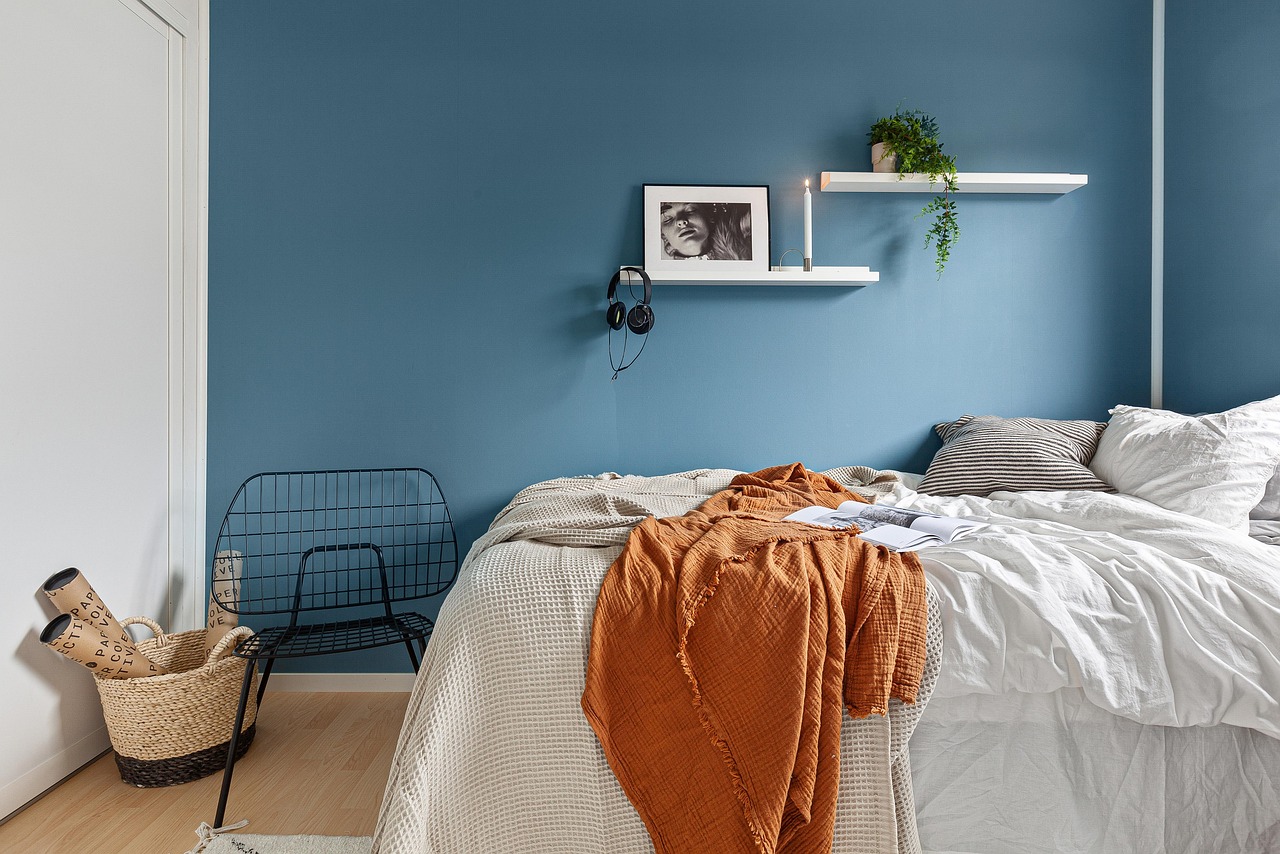
The 60-30-10 rule creates balanced color schemes: 60% dominant color (walls, large pieces), 30% secondary color (upholstery, curtains), 10% accent color (pillows, art, small accessories). Cool colors (blue, green) make rooms feel larger and calmer. Warm colors (red, orange, yellow) make rooms feel smaller and energizing. Neutrals (white, grey, beige, black) work as the dominant color in almost any scheme. That said, I'm not sure this works the same way for everyone.
Lighting: The Most Impactful Change
Lighting transforms spaces more dramatically than any other single change. Layer three types of light: ambient (overhead, fills the room), task (reading lamps, under-cabinet kitchen lighting), and accent (highlights art or architecture). Avoid relying on one overhead fixture — it creates harsh, flat light. Warm bulbs (2700-3000K) in living areas; cooler (4000K) in kitchens and offices.
Creating Visual Interest Without Clutter
Group objects in odd numbers (threes work best). Vary heights in a vignette (group of decorative objects). Mix textures — smooth against rough, shiny against matte. Allow negative space — empty areas create visual rest. The most common decorating mistake is overcrowding surfaces. Edit ruthlessly: if you're not sure whether something adds to the room, it probably doesn't.
My honest take: Worth your time. Go use it.
From experience: Testing different organizational and improvement approaches across various home types and lifestyles consistently reveals that sustainable systems are those with the lowest friction, not the most sophisticated design.
When to Call a Professional
DIY home improvement has real limits, and discovering those limits after causing damage typically costs more than professional work upfront. Electrical work beyond simple fixture replacement, structural modifications, HVAC systems, gas lines, and waterproofing in wet areas all carry risks that substantially exceed typical homeowner skill levels regardless of available tutorials. Honest assessment of your capabilities before starting saves more money than optimism does.

Isabel Torres is an interior designer, home organization consultant, and lifestyle writer who has helped hundreds of clients transform their living spaces. She covers home design, organization, smart home technology, and...
![Smart Home Interior Design [2026]: Integrating IoT Without Sacrificing Aesthetics](/img/posts/smart-home-interior-iot-2026-52c410ab.jpg)
![Interior Design [2026]: The Rules That Actually Work and the Trends Worth Ignoring](/img/posts/fix-interior-design-honest-guide-2026-e1b59c63.jpg)