Interior Design Guide [2026]: 9 Mistakes That Make Rooms Look Cheap
![Interior Design Guide [2026]: 9 Mistakes That Make Rooms Look Cheap](/img/posts/1586023492125-27b2c045efd7.jpg)
Good interior design isn't about expensive furniture — it's about proportion, light, and the relationship between elements in a space. Understanding the principles allows you to make good decisions regardless of budget.
The 60-30-10 Color Rule
A balanced room uses three colors in proportion: 60% dominant (walls, large furniture), 30% secondary (upholstery, curtains, rugs), 10% accent (pillows, art, decorative objects). This ratio creates visual harmony without monotony. The dominant color sets the mood; the accent color provides personality.
Furniture Arrangement Principles
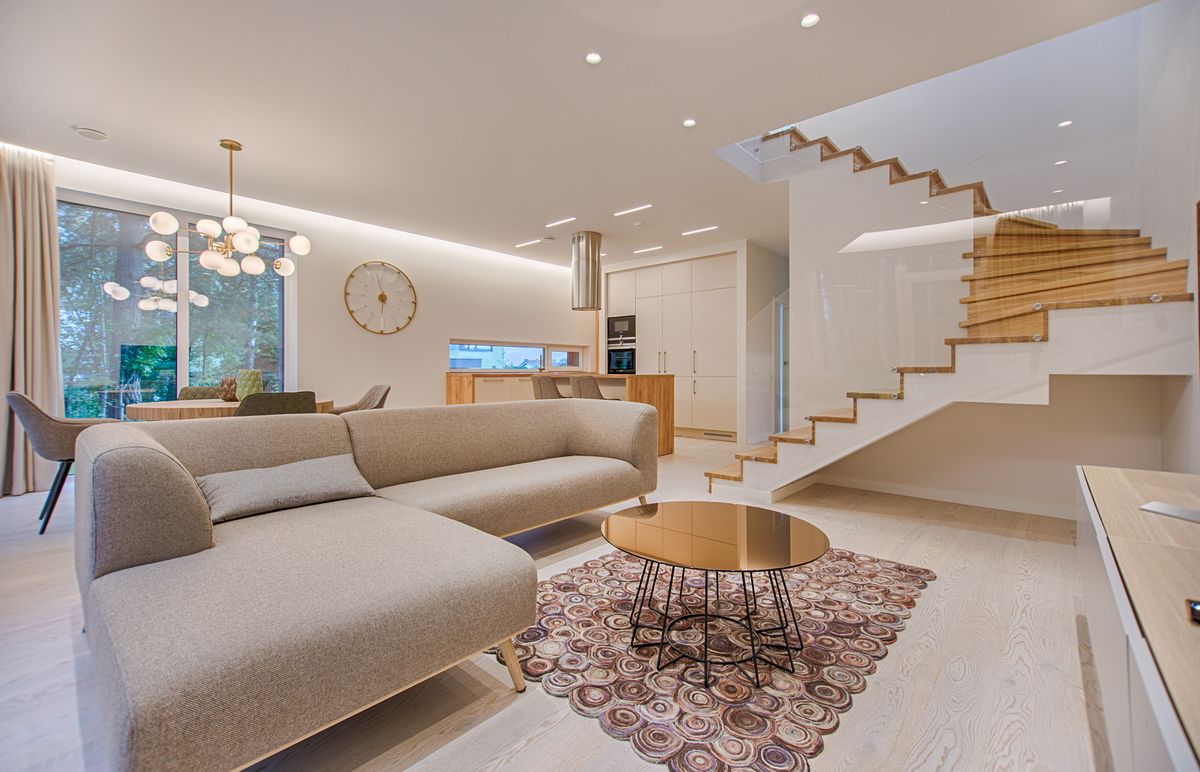
Float furniture away from walls — the instinct to push everything to the perimeter creates a disconnected room. Create conversation groupings where seats face each other within 8 feet. Anchor with a rug that defines the seating area (front legs of all furniture on the rug, or all legs on the rug — never just a coffee table sitting on it). The rug should be large enough that it looks intentional, not like an afterthought. That said, I'm not sure this works the same way for everyone.
Lighting Layers
No room works with only overhead lighting — it creates harsh shadows and flattens the space. Layer three types: ambient (overhead, general illumination), task (reading lamps, under-cabinet kitchen lights), and accent (spotlights on art, uplights behind plants). Dimmers on all circuits allow the same room to function differently at different times of day.
Here's where I land on this: Worth your time. Go use it.
Lighting: The Most Impactful Intervention
Lighting has more impact on how a room feels than almost any other single element. Natural light should be maximized — window treatments that can be fully opened during the day, mirrors positioned to reflect natural light, and light surfaces that distribute light rather than absorb it. For artificial lighting, multiple sources at different heights (floor lamps, table lamps, under-cabinet lighting) create a more comfortable and flexible environment than single overhead fixtures. Warm white bulbs (2700-3000K) create comfortable atmospheres in living spaces; cool white (4000-5000K) works better in work and kitchen spaces.
The Scale Problem
Scale mismatches are the most common design error in residential interiors. Furniture that is too small makes a room look sparse and unresolved; furniture that is too large makes it feel cramped. The test: could you comfortably walk around this furniture without turning sideways? Does the furniture proportion feel harmonious with the room's ceiling height? A large room with a small sofa and a small coffee table looks like a furniture showroom; the same room with appropriately scaled anchor pieces looks intentional.
The Role of Textiles
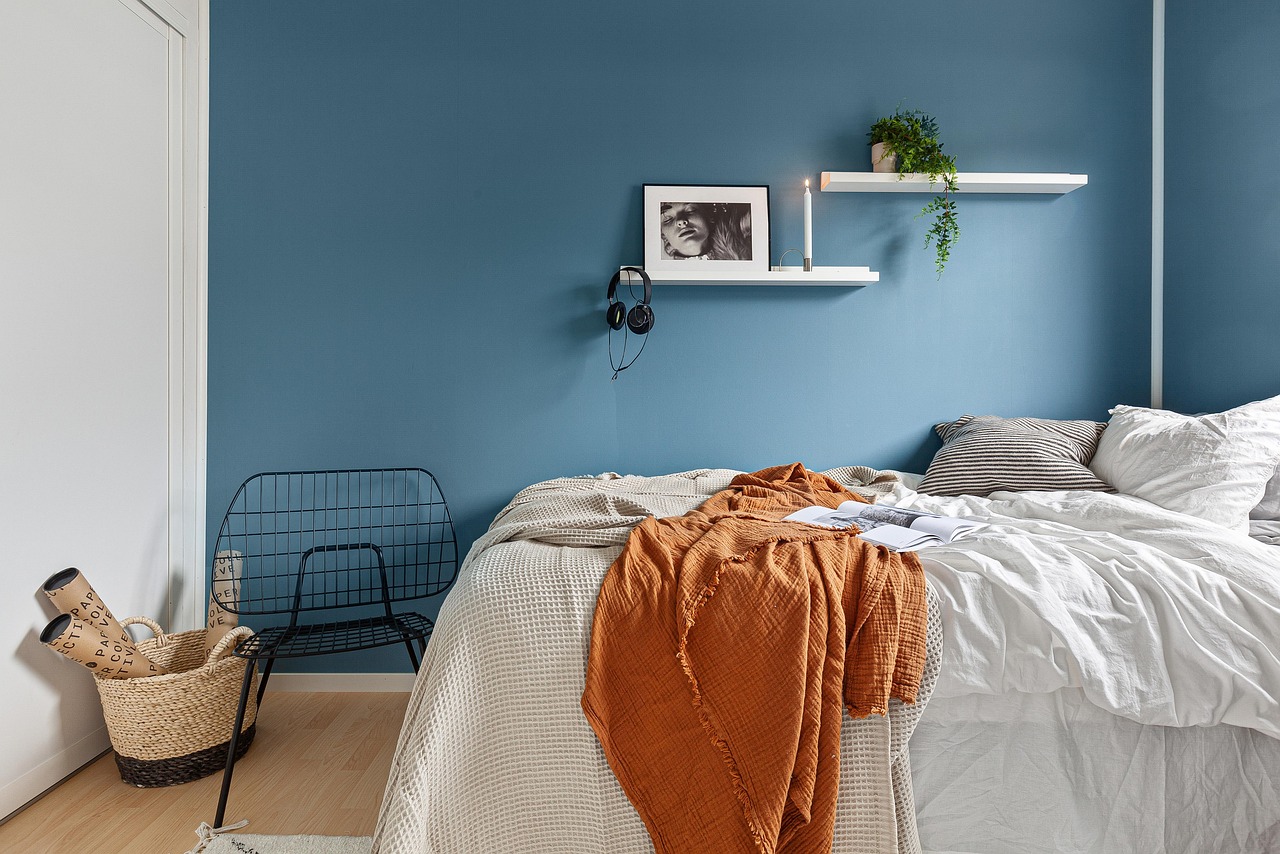
Textiles — rugs, curtains, throw pillows, blankets — are among the highest-impact and most reversible investments in interior design. A well-chosen area rug defines a seating area and adds warmth in ways that no furniture arrangement alone can achieve. Curtains hung near the ceiling rather than at the window frame make rooms appear taller. Layering textiles of different textures (linen, wool, cotton) in a consistent color palette creates visual richness without visual complexity. These changes are inexpensive to reverse when your preferences evolve.
From experience: Testing different organizational and improvement approaches across various home types and lifestyles consistently reveals that sustainable systems are those with the lowest friction, not the most sophisticated design.
According to National Association of Realtors data, well-maintained homes sell faster and at higher prices than comparable properties with deferred maintenance — with buyers consistently willing to pay a premium for properties that signal ongoing care rather than periodic renovation.
When to Call a Professional
DIY home improvement has real limits, and discovering those limits after causing damage typically costs more than professional work upfront. Electrical work beyond simple fixture replacement, structural modifications, HVAC systems, gas lines, and waterproofing in wet areas all carry risks that substantially exceed typical homeowner skill levels regardless of available tutorials. Honest assessment of your capabilities before starting saves more money than optimism does.
Honest Bottom Line: Lighting has more impact on how a room feels than almost any other element — maximize natural light and layer artificial light sources at different heights. Furniture scale mismatches are the most common interior design error; furniture should be proportional to the room. Textiles are the highest-impact, most reversible investment — a well-chosen rug, ceiling-height curtains, and layered textures transform spaces at far lower cost than furniture replacement.

Isabel Torres is an interior designer, home organization consultant, and lifestyle writer who has helped hundreds of clients transform their living spaces. She covers home design, organization, smart home technology, and...
![Smart Home Interior Design [2026]: Integrating IoT Without Sacrificing Aesthetics](/img/posts/smart-home-interior-iot-2026-52c410ab.jpg)
![Interior Design [2026]: The Rules That Actually Work and the Trends Worth Ignoring](/img/posts/fix-interior-design-honest-guide-2026-e1b59c63.jpg)