Composting at Home in 2026: The Honest Guide to Starting Without Overthinking It
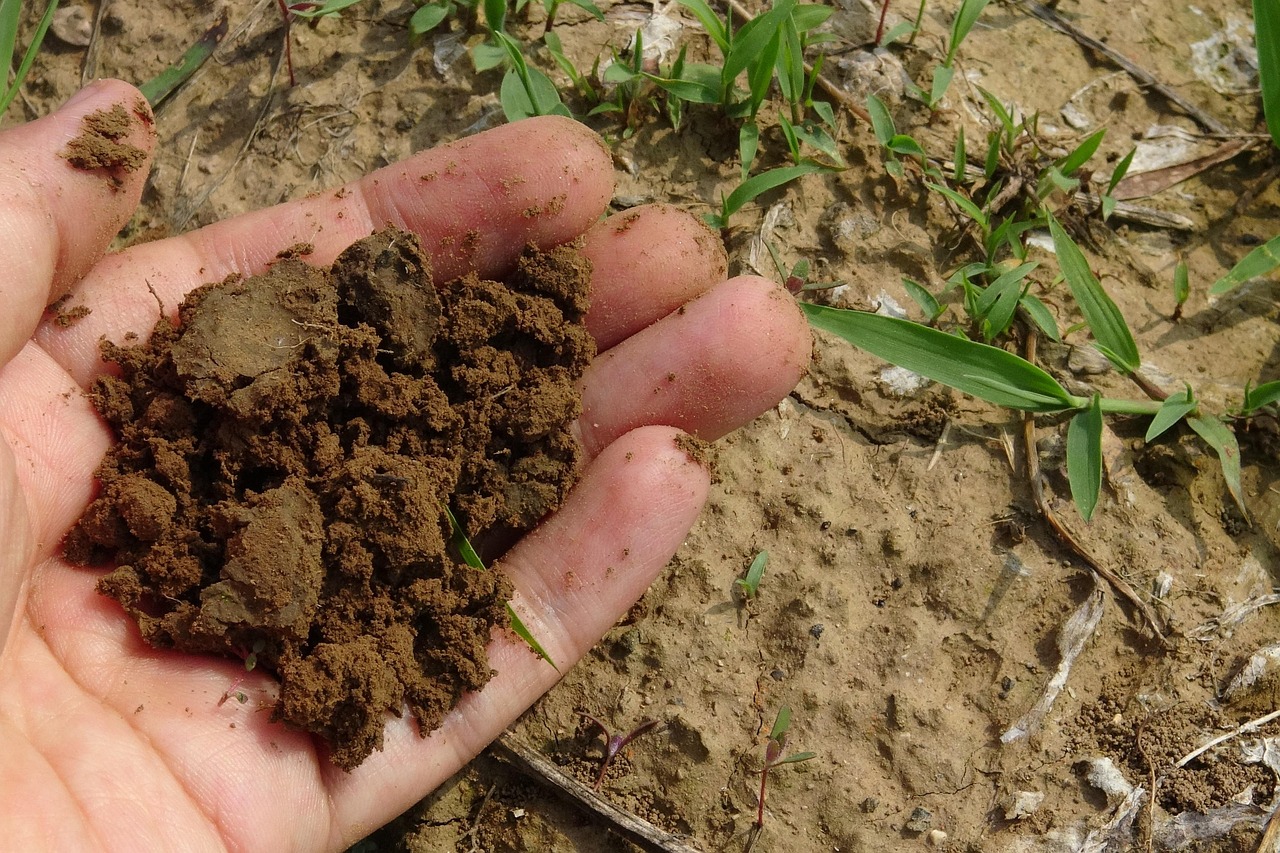
Composting is simpler than most guides make it. Here is the honest guide to starting and maintaining a compost system.
Composting — the biological process of decomposing organic waste into nutrient-rich soil amendment — is among the most accessible environmental actions available to homeowners and renters, and one that is frequently presented as more complicated than it needs to be. The guides that specify precise carbon-to-nitrogen ratios, optimal moisture percentages, and turning schedules are not wrong, but they create barriers to starting that exceed the actual requirements for a functional system. Here is the honest guide that gets you started without overthinking.
What Composting Actually Requires
A functional compost system requires three things: organic material (something to compost), moisture (not waterlogged, not bone dry), and time. Everything else is optimization. The fundamental process — microorganisms breaking down organic matter into simpler compounds — occurs naturally without human intervention; composting practices simply create conditions that accelerate the natural process. A pile of food scraps and yard waste, left alone, will eventually become compost. The question is how quickly and how actively you want to manage the process.
The Two Practical Systems
Passive composting: a pile or bin where you add materials and occasionally turn or aerate, producing finished compost in 6–12 months without significant attention. This is the most realistic approach for most home composters — it requires adding materials, occasional moisture management if the pile dries out, and periodic turning to aerate. Active (hot) composting: maintaining a pile large enough (3×3×3 feet minimum) with the right balance of carbon materials (browns: leaves, cardboard, paper) and nitrogen materials (greens: food scraps, fresh plant material, grass clippings) to reach thermophilic temperatures (130–160°F) that accelerate decomposition and kill weed seeds and pathogens. Active composting can produce finished compost in 4–8 weeks but requires consistent attention and is genuinely more complex.

What You Can and Cannot Compost
Home composting works well for: fruit and vegetable scraps, coffee grounds and filters, tea bags, eggshells, leaves, grass clippings, garden waste, shredded cardboard and paper (non-glossy). Avoid in home systems: meat, fish, dairy, and cooked food (attract pests and slow decomposition); diseased plant material (can spread disease); and pet waste (health risks). Apartment composting with small countertop bins, worm composting (vermicomposting), and municipal food waste pickup programs provide options for those without outdoor space.
Bottom Line: Composting requires organic material, moisture, and time — everything else is optimization. Passive composting (add materials, occasional turning, 6–12 months) is realistic for most home composters and requires minimal attention. Active (hot) composting produces finished compost in 4–8 weeks but requires consistent management of pile size, carbon/nitrogen balance, and moisture. Compost-suitable materials: fruit/vegetable scraps, coffee, eggshells, leaves, grass clippings, shredded cardboard. Avoid: meat, dairy, cooked food (pest attraction), diseased plants, pet waste.