Home Tools: What You Actually Need vs. What Gets Sold to You [2026]
![Home Tools: What You Actually Need vs. What Gets Sold to You [2026]](/img/posts/1572981779307-38b8cabb2407.jpg)
The tool industry produces an enormous array of specialized products, many of which are genuinely useful for specific trades and almost never needed by homeowners. Knowing what you actually need for normal home maintenance and basic DIY — and why you need those specific things — saves money and storage space. Here is the honest guide.
The Core Kit That Handles 80% of Home Needs
A drill-driver (cordless, 18V or 20V, from a reputable brand like DeWalt, Milwaukee, or Makita) is the single most used tool in most households and worth buying quality. It drives screws, drills holes, and handles most hanging and assembly tasks. A basic bit set (Phillips, flat, Torx drivers; twist drill bits in common sizes) goes with it. This combination handles furniture assembly, hanging shelves and pictures, and minor repairs.
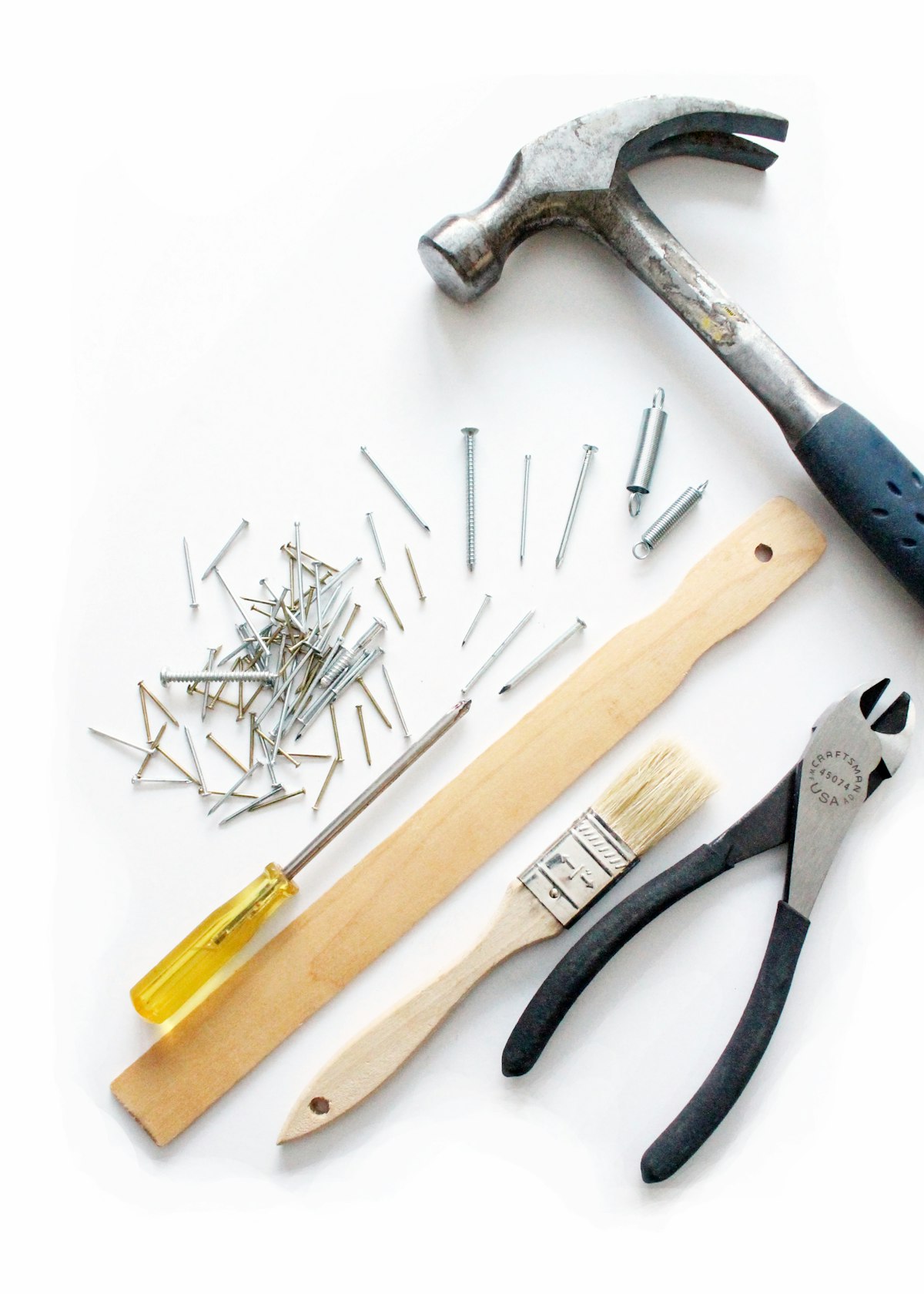
A hammer (16oz claw hammer) for general nailing and demolition; a tape measure (25-foot); a level (4-foot); a set of screwdrivers (multiple sizes of Phillips and flat, in a single set); slip-joint pliers and needle-nose pliers; an adjustable wrench; a utility knife; and a stud finder round out the core kit that addresses the overwhelming majority of home maintenance needs. This complete kit costs $150-250 for good quality versions and fits in a small toolbox.
The Second Tier: Worth Adding if You Do More
A circular saw or miter saw (for cutting lumber and trim) makes any project involving wood work faster and more accurate than hand sawing. A random orbital sander (for surface preparation before painting, smoothing rough wood) is used constantly in finishing work. A jigsaw handles curved cuts that a circular saw can't. A voltage tester ($15-25) is essential before any electrical work — the inexpensive kind that tests whether a circuit is live without touching wires is a basic safety tool for anyone doing their own outlet and fixture work.
A pipe wrench and channel-lock pliers (large pliers for gripping pipes and large fasteners) are useful for any plumbing work. A toilet snake for clearing drain blockages yourself avoids the $150-200 plumber visit for a common problem. A set of hex/Allen keys addresses the fasteners found in most furniture and many appliances.
Quality vs. Price: Where It Matters
The tools where quality matters most: the drill-driver (cheap cordless drills lose charge quickly, lose torque under load, and break faster), the tape measure (cheap ones develop inaccuracies that compound over long measurements), and the level (cheap levels are often inaccurate, which defeats their purpose). The tools where mid-range is sufficient: hammers (a $25-35 hammer is nearly as good as a $60 one for typical use), screwdrivers (sets from good brands at mid-price hold up fine for non-professional use), and utility knives (blades are the consumable that matters; the holder is secondary).
The power tool brand ecosystem matters for battery compatibility: if you buy a DeWalt drill, future DeWalt tools share the battery. Committing to one brand's battery platform and building your collection within it costs less than buying tools from multiple brands with incompatible batteries.
My honest take: A quality drill-driver with bit set, a hammer, a tape measure, a level, screwdrivers, pliers, and a stud finder handle 80% of home needs. Buy quality for the drill and tape measure. Commit to one power tool brand for battery compatibility.
From experience: Testing different organizational systems across various home types and lifestyles consistently reveals that the systems people actually maintain are those with the lowest friction, not the most elaborate ones.
Research from the National Association of Realtors consistently finds that well-maintained, organized homes sell faster and at higher prices than equivalent properties with deferred maintenance — making home organization both a lifestyle and a financial consideration.
When to Call a Professional
DIY approaches have real limits, and the cost of discovering those limits after causing damage typically exceeds the cost of professional work upfront. Electrical work beyond simple fixture replacement, structural modifications, HVAC systems, and anything involving gas lines all carry risks that substantially exceed the skill level of most homeowners, regardless of YouTube tutorial quality.
When to Call a Professional
DIY home improvement has real limits, and discovering those limits after causing damage typically costs more than professional work upfront. Electrical work beyond simple fixture replacement, structural modifications, HVAC systems, gas lines, and waterproofing in wet areas all carry risks that substantially exceed typical homeowner skill levels regardless of available tutorials. Honest assessment of your capabilities before starting saves more money than optimism does.

Isabel Torres is an interior designer, home organization consultant, and lifestyle writer who has helped hundreds of clients transform their living spaces. She covers home design, organization, smart home technology, and...

![DIY Home Repairs [2026]: What You Can Actually Do and What to Leave to Professionals](/img/posts/diy-home-repairs-honest-2026-5652f098.jpg)