Home Tools for Beginners in 2026: The 9 You Actually Need (And When to Call a Professional)
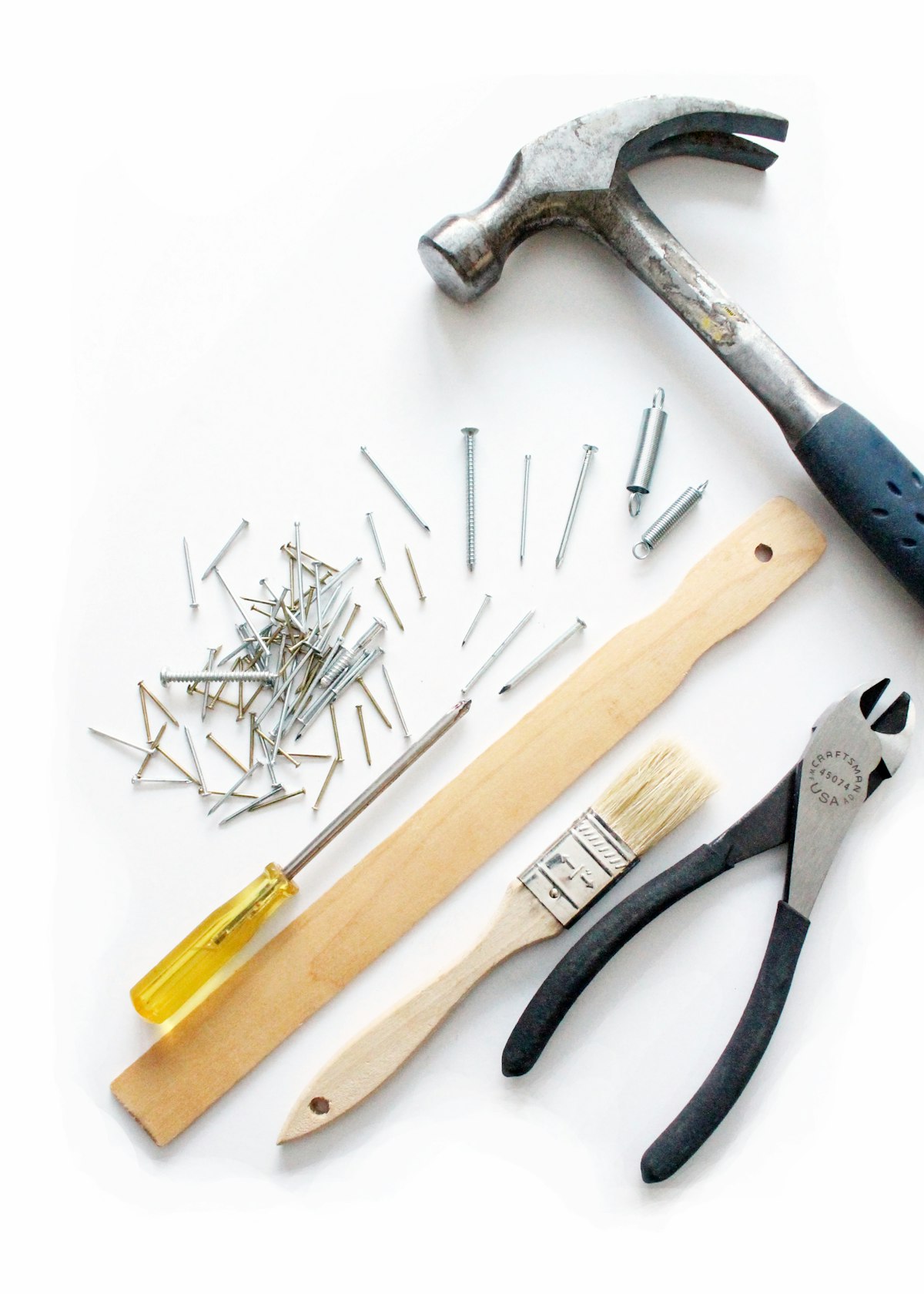
I moved into my first house three years ago knowing essentially nothing about home repair and maintenance. I've fixed things that surprised me and called professionals for things that turned out to be simpler than I expected. The tools I actually use constantly are not the ones I thought I'd use most, and the judgment about when to call someone versus when to watch a YouTube video is something I've calibrated through some expensive lessons.
The 9 Tools I Reach For Constantly
1. Cordless drill/driver combo kit. This is the single most-used tool in my house by an enormous margin. Hanging anything, assembling furniture, tightening loose screws, pilot holes before driving screws into hardwood — the drill handles all of it. Buy a reputable brand (Milwaukee, DeWalt, Makita) cordless kit — the battery ecosystem matters more than it seems because you'll accumulate other tools from the same brand. The two-battery kit (drill plus impact driver) is worth the extra $50-80 over a single drill.
2. Stud finder. Before hanging anything heavier than a picture frame, you need to find the studs. The cheap magnetic stud finders are unreliable; the good ones (Franklin ProSensor T13) find studs accurately. This $20-50 investment prevents expensive drywall repairs.
3. Level. A 24-inch level and a small torpedo level cover almost everything. The bubble level is more reliable than phone level apps for anything critical. Digital levels are useful but not necessary.
4. Adjustable pliers (Channellock) and an adjustable wrench. Most plumbing tasks that don't require cutting pipe can be handled with these two tools. Tightening supply lines, removing drain caps, replacing showerheads — these come up more frequently than anything requiring specialized plumbing tools.
5. Utility knife with plenty of spare blades. Dull blades make utility knives dangerous — they slip. Buy a hundred-pack of blades and change them frequently. The knife handles caulk removal, cutting drywall, opening packaging, trimming weather stripping.
6. Caulk gun with silicone and paintable latex caulk. Re-caulking around tubs, sinks, windows, and doors is one of the highest ROI maintenance tasks in a house. Water intrusion from failed caulk causes expensive damage over time. A basic caulk gun is $10-15; the skill of applying a clean bead is learnable in thirty minutes with YouTube.
7. Good flashlight (or multiple). Attic, crawl space, behind appliances — everywhere you need to see when something breaks is dark. A bright rechargeable flashlight and a headlamp (for when you need both hands) cover this.
8. Voltage tester. A non-contact voltage tester ($15-20) tells you whether an outlet or wire is live without touching it. Before doing anything involving electrical — switching a light fixture, replacing an outlet — verify power is off at the breaker. This simple step prevents electrocution.
9. Wet/dry shop vac. Not glamorous but constantly useful. Water in the basement, sawdust from any DIY project, debris from any demo work, unclogging drains with the reverse blow function — the shop vac earns its space.
When to Call a Professional (Honestly)
I've learned this through mistakes. The tasks I should have called someone for immediately rather than attempting first:
Anything involving the main electrical panel. Breaker replacement and panel work are genuinely dangerous in ways that outlet replacement is not. The cost of an electrician is appropriate for panel work.
Structural repairs. A sagging beam, cracks in the foundation, anything load-bearing — the cost of getting this wrong is catastrophic. The YouTube video will make it look manageable; the consequences of a mistake will not be manageable.
Gas lines. I know to not touch these. The risk-to-reward is not favorable for the DIY approach.
Roof work above a single story. Falls from roofs are the leading cause of home improvement fatalities. The professional cost is significantly less than the medical cost of a fall.
Honest Bottom Line: A cordless drill, stud finder, level, pliers/adjustable wrench, utility knife, caulk gun, flashlight/headlamp, voltage tester, and shop vac cover the vast majority of common homeowner tasks. Brand ecosystems matter for cordless tools — pick one and stick with it. Panel electrical work, structural repairs, gas lines, and roof work above one story are the categories where professional cost is appropriate relative to DIY risk.

Isabel Torres is an interior designer, home organization consultant, and lifestyle writer who has helped hundreds of clients transform their living spaces. She covers home design, organization, smart home technology, and...

![DIY Home Repairs [2026]: What You Can Actually Do and What to Leave to Professionals](/img/posts/diy-home-repairs-honest-2026-5652f098.jpg)
![9 Home DIY Projects for Beginners [2026]: No Experience Required](/img/posts/fix-home-diy-beginner-honest-2026-0d9e0516.jpg)