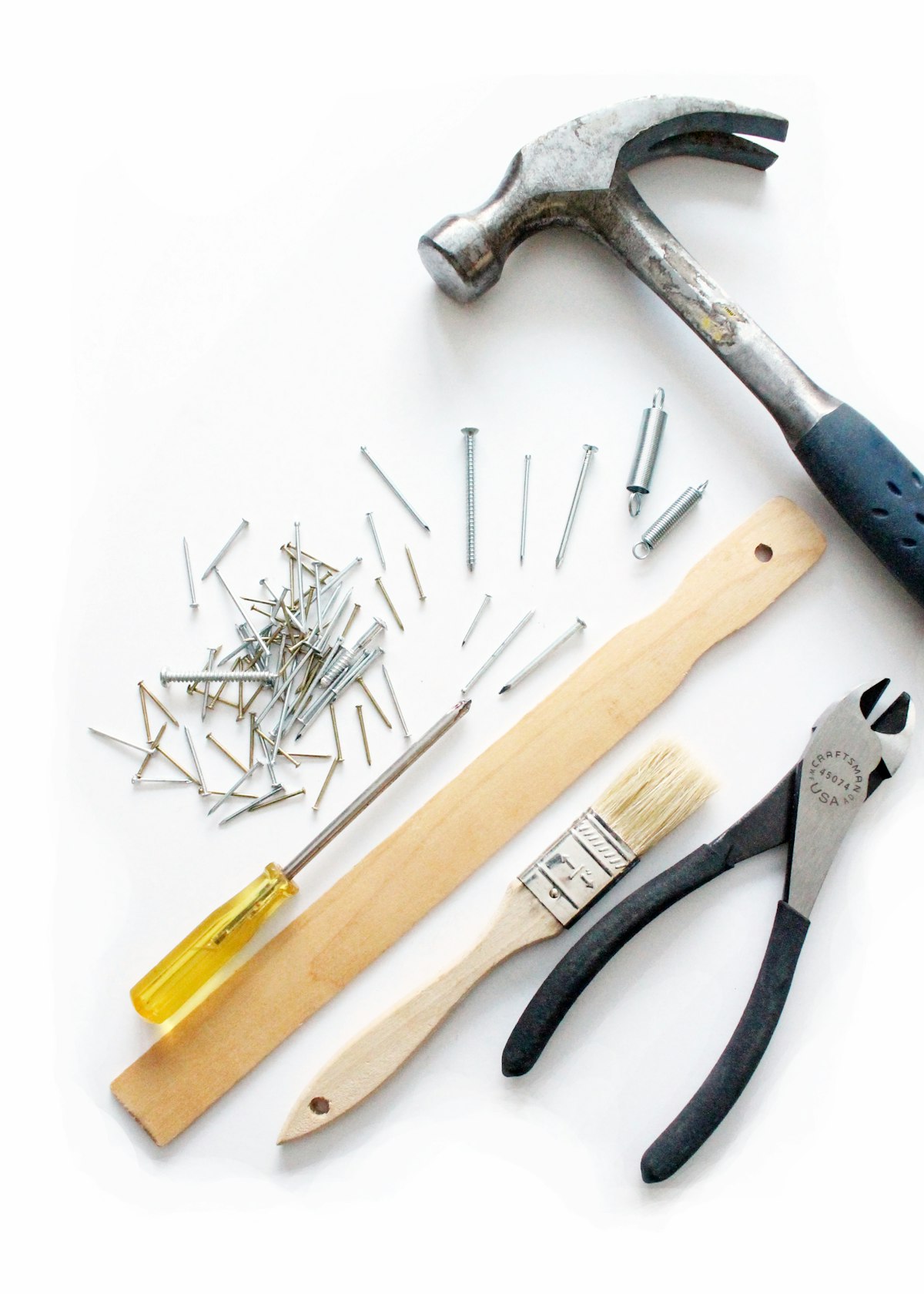
9 DIY Home Projects That Are Actually Worth Your Time (And Ones T [...
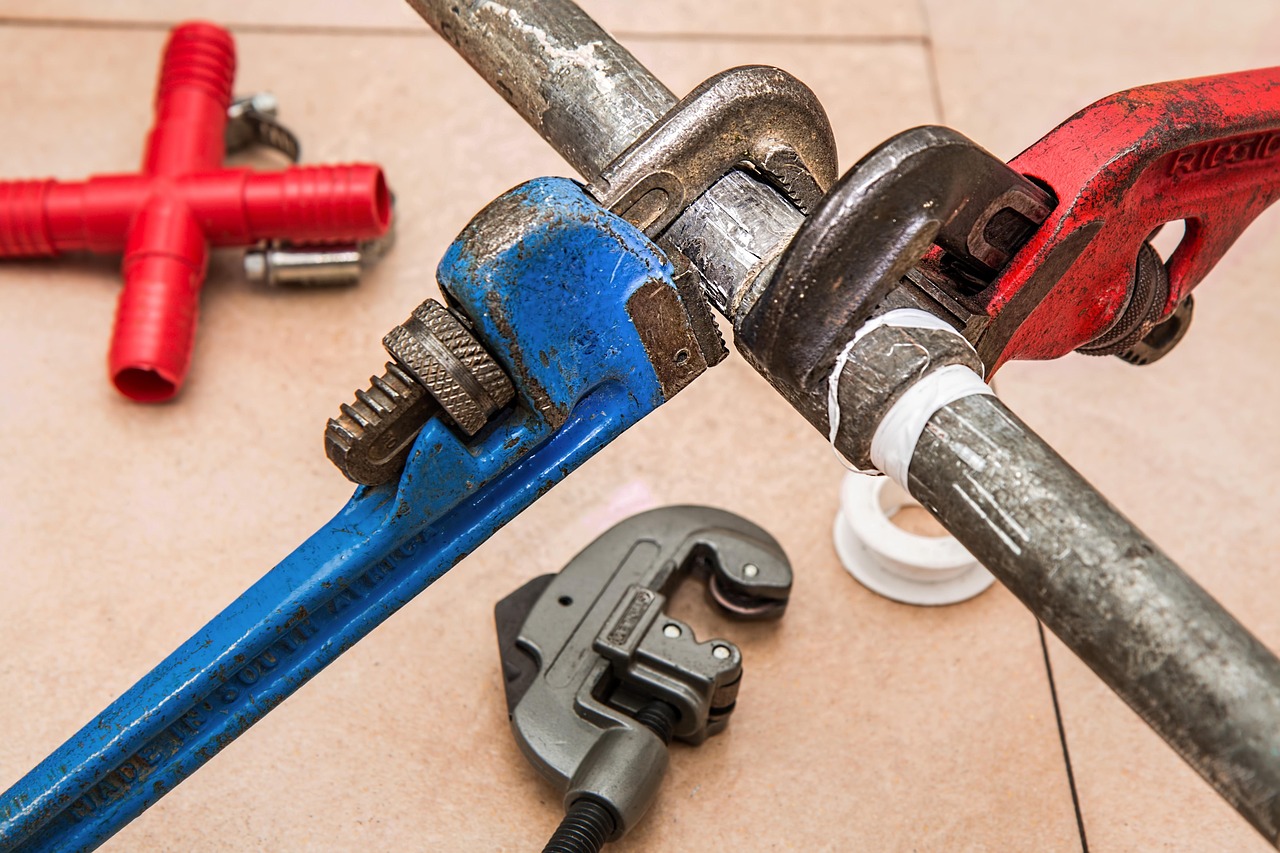
DIY home improvement has genuine appeal: cost savings, learning skills, and the satisfaction of doing something yourself. It also has a realistic failure rate, an opportunity cost, and projects that look simple but aren't. Here is the honest guide to which DIY projects are worth attempting for non-professionals and which are better left to professionals.
Projects With Good DIY Risk-Reward
Painting interior rooms is the quintessential worthwhile DIY project: the cost of labor in professional painting is high relative to the complexity of the task, the skill ceiling is accessible with basic technique, and the materials cost is genuinely low. The quality difference between professional and competent amateur painting is visible in the details (cutting in cleanly at edges and corners, consistent coverage, appropriate surface preparation) but isn't dramatic in well-lit everyday viewing. The preparation — patching holes, sanding glossy surfaces, priming — produces most of the quality difference and is the step most beginners skip. Two coats of quality paint on properly prepared surfaces, applied with decent brushes and rollers, produces very good results.
Replacing light fixtures and outlet covers is straightforward electrical work accessible to most people who follow instructions carefully and turn off the power at the breaker before starting. Changing cabinet hardware (handles, knobs, hinges) updates kitchen and bathroom appearance dramatically at modest cost with no special skills. Installing floating shelves using stud finders to hit structural framing is manageable for most people and produces durable results. Caulking around tubs, sinks, and windows is genuinely simple and prevents water damage that's expensive to repair if neglected.
Projects That Are Harder Than They Look
Tiling — bathrooms, backsplashes, floors — looks achievable in tutorial videos and is harder in practice, particularly around edges, corners, and obstacles. The specific skills (consistent spacing, accurate cuts, properly mixed and applied adhesive and grout, level starting points) take experience to execute well, and a poorly tiled bathroom or kitchen is both aesthetically disappointing and potentially problematic for waterproofing. For first-time tilers, a small, low-visibility backsplash is the right starting project before committing to a bathroom floor.
Hardwood floor installation, drywall repair beyond small patches, and deck building all have similar profiles: more accessible than major construction but with specific technique requirements that produce noticeably different results when done correctly versus incorrectly. These are good skills to develop if you have ongoing projects, but the first project in any of these categories will likely be learning at some aesthetic and material cost.
Projects Worth Hiring Out
Any project involving the main electrical panel or service entrance, structural modifications (moving walls, adding structural support), gas line work, or complex plumbing (moving drain lines, adding fixtures) should involve licensed professionals — not because DIY is impossible but because the consequences of errors are serious (fire, flooding, structural failure, gas leak) and insurance and permitting typically require professional work in these categories anyway. HVAC installation and major appliance connections similarly have enough technical complexity and consequence for error that professional installation is worth the cost.
My honest take: Paint everything yourself. Change hardware, fixtures, and caulk yourself. Hire out structural, electrical panel, gas, and complex plumbing work. Tiling and flooring are learnable but expect the first project to be a learning experience.
According to National Association of Realtors data, well-maintained homes sell faster and at higher prices than comparable properties with deferred maintenance — with buyers consistently willing to pay a premium for properties that signal ongoing care rather than periodic renovation.
When to Call a Professional
DIY home improvement has real limits, and discovering those limits after causing damage typically costs more than professional work upfront. Electrical work beyond simple fixture replacement, structural modifications, HVAC systems, gas lines, and waterproofing in wet areas all carry risks that substantially exceed typical homeowner skill levels regardless of available tutorials. Honest assessment of your capabilities before starting saves more money than optimism does.

Isabel Torres is an interior designer, home organization consultant, and lifestyle writer who has helped hundreds of clients transform their living spaces. She covers home design, organization, smart home technology, and...

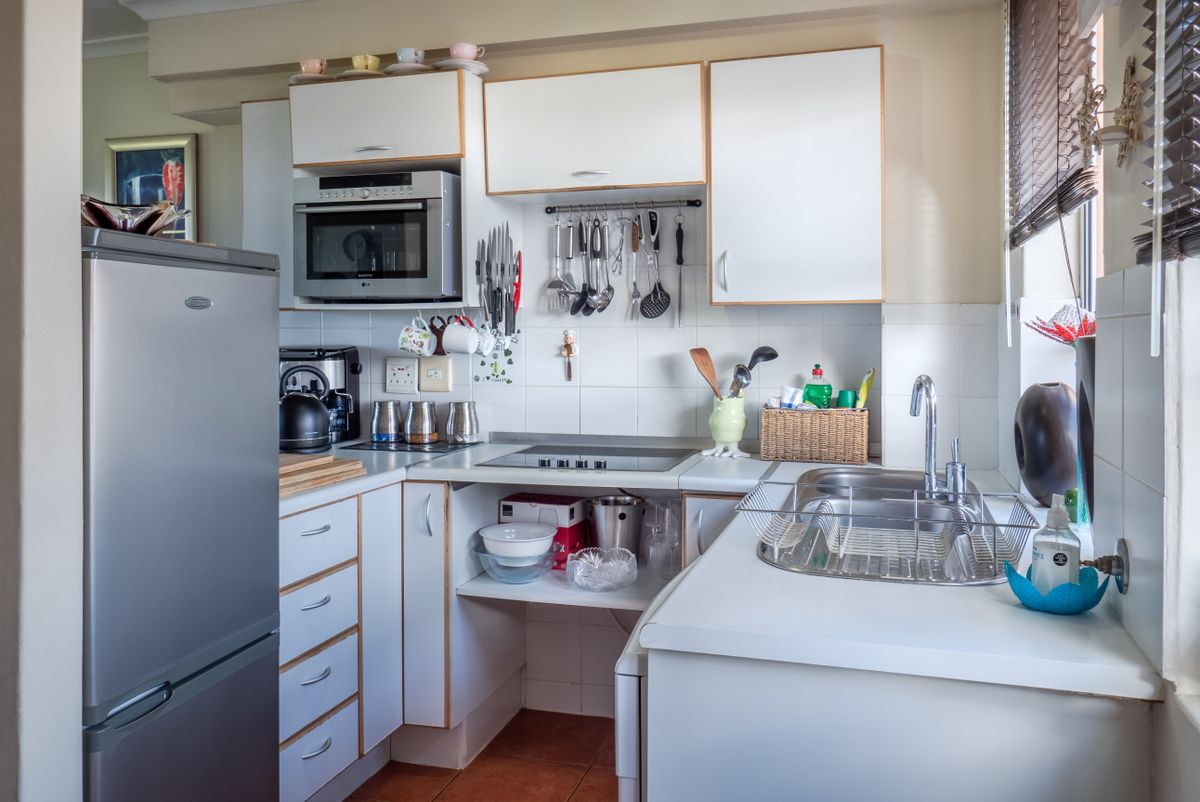
![DIY Home Repairs [2026]: What You Can Actually Do and What to Leave to Professionals](/img/posts/diy-home-repairs-honest-2026-5652f098.jpg)