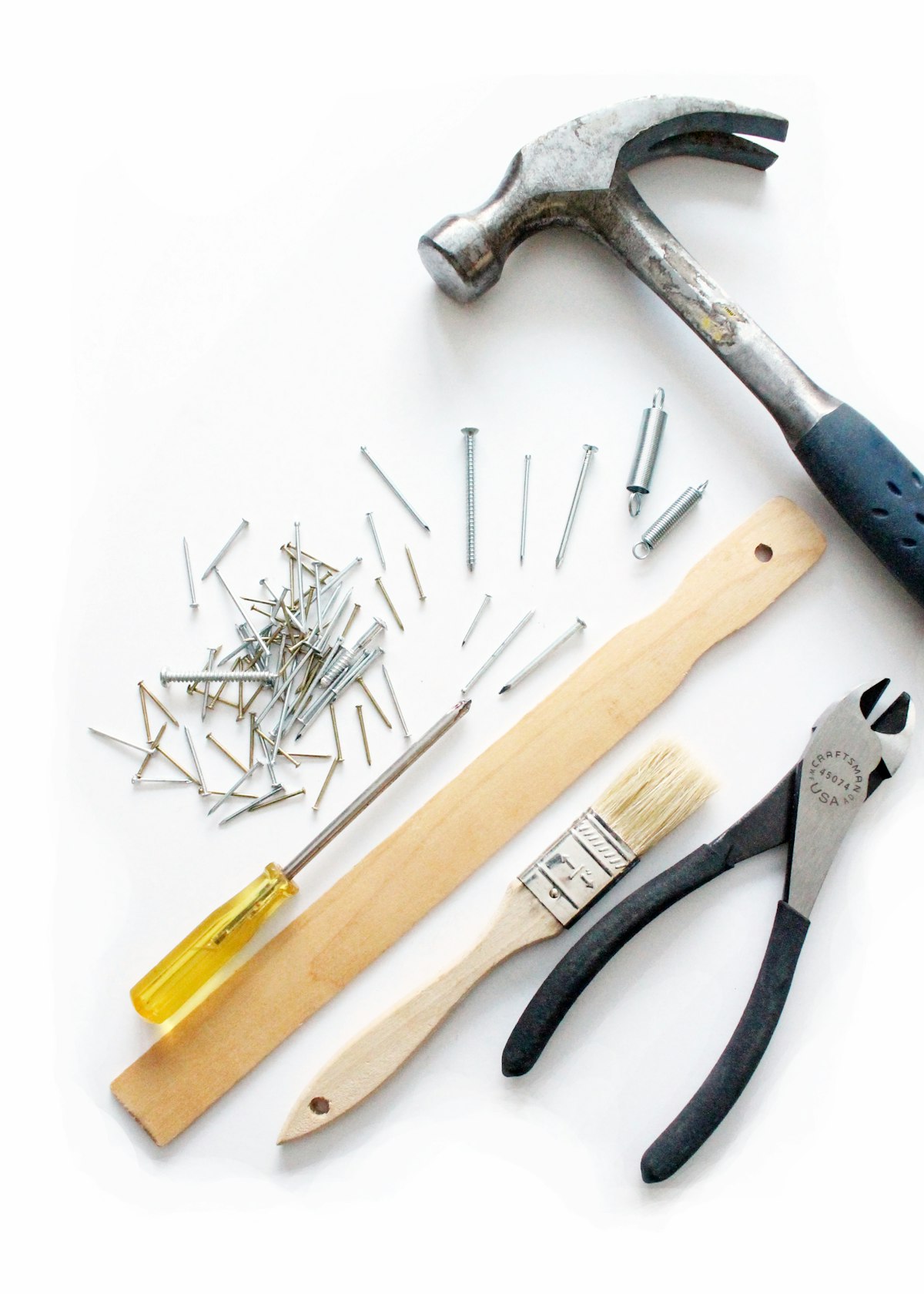
9 DIY Projects for Beginners That Are Actually Worth Starting [2026]
![9 DIY Projects for Beginners That Are Actually Worth Starting [2026]](/img/posts/1504148455328-c376907d081c.jpg)
I started doing DIY in my late 20s entirely out of necessity — I couldn't afford to hire professionals for everything. Several years later, I've figured out which projects are genuinely worth learning and which ones are "beginner projects" only in the sense that someone could technically do them with no experience and significant probability of failure.
What Beginners Should Actually Start With
Painting rooms and furniture: the learning curve is real but short, the materials are cheap, and errors are correctable. The quality difference between a good paint job (proper prep, cut-in technique, roller selection) and a poor one is significant, but you can learn the technique from YouTube videos and one practice wall. Mounting shelves and hardware: requires only a stud finder, drill, and level — three tools with obvious ongoing utility. The technique is learnable in an afternoon and the value of having things properly mounted rather than on furniture is real.
Medium Difficulty Projects Worth Learning
Replacing faucets and shower heads: intimidating until you do it once, then simple. Turning the water off is the hard part in terms of confidence; the actual replacement is mechanical. Replacing electrical outlets and light switches: in most jurisdictions, homeowners can do this legally, and the procedure is straightforward with the power off. If you're unsure about your local regulations or the wiring situation, verify before starting.
What to Leave to Professionals
Main panel electrical work, load-bearing structural changes, plumbing beyond fixture replacement, gas line anything. The downside risk of getting these wrong goes well beyond the aesthetics or the inconvenience of a failed DIY project into genuine safety territory. There's no financial calculus that makes the risk reasonable for someone without significant experience.
The Tool Situation
Most beginner projects require: a good drill/driver with bit set, a level, a stud finder, and a basic tape measure. This kit costs around $100–150 and handles 80% of beginner work. Tool libraries, where they exist, let you borrow more specialized tools without purchasing. Buying the cheapest possible version of every tool is a false economy — a good drill from a reputable brand will last 15 years; the $29 version typically won't make it through the second project.
Here's where I land: Start with painting or mounting. The skills transfer everywhere and the risk is manageable.
According to National Association of Realtors data, well-maintained homes sell faster and at higher prices than comparable properties with deferred maintenance — with buyers consistently willing to pay a premium for properties that signal ongoing care rather than periodic renovation.

Isabel Torres is an interior designer, home organization consultant, and lifestyle writer who has helped hundreds of clients transform their living spaces. She covers home design, organization, smart home technology, and...

![DIY Home Repairs [2026]: What You Can Actually Do and What to Leave to Professionals](/img/posts/diy-home-repairs-honest-2026-5652f098.jpg)