Buddhism in 2026: The Honest Guide for Non-Buddhists Who Want to Understand
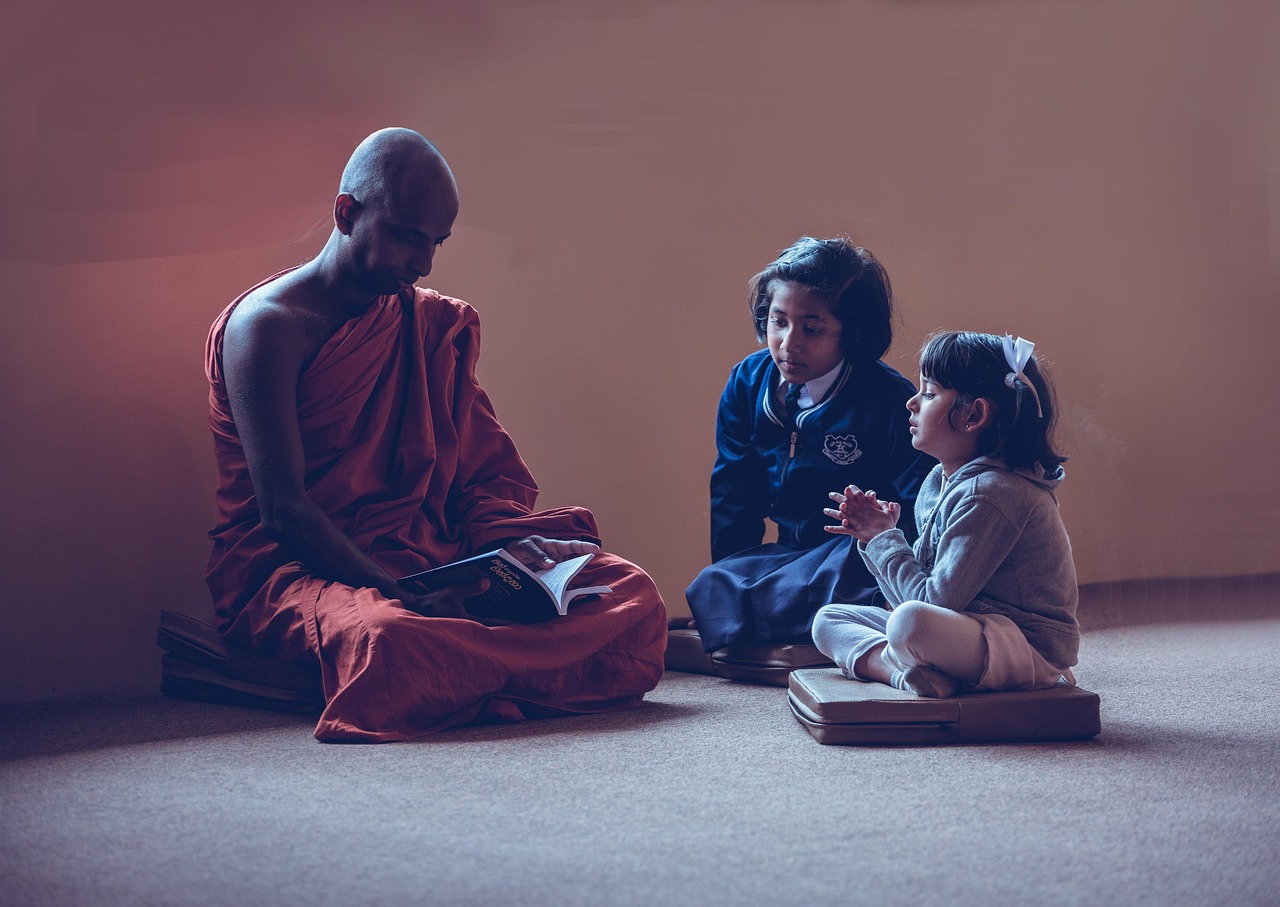
Buddhism is widely referenced but poorly understood. Here is the honest guide to what Buddhism actually teaches.
Buddhism is one of the world's major religions, with approximately 500–600 million practitioners globally and significant influence on Western mindfulness, psychology, and philosophy. It is also one of the most heterogeneous religious traditions — the Buddhism of a Theravada monk in Myanmar, a Zen practitioner in Japan, and a Tibetan Buddhist in exile are different enough to be barely recognizable as the same religion to casual observers. Here is the honest guide to what Buddhism actually teaches and what the major distinctions are.
The Core Teachings All Traditions Share
Across the significant diversity of Buddhist traditions, certain foundational teachings are broadly shared. The Four Noble Truths: the reality of dukkha (suffering, unsatisfactoriness — a broader concept than the English word "suffering" captures); the origin of dukkha in craving and attachment; the cessation of dukkha as a possibility; and the path leading to that cessation. The Noble Eightfold Path, the practical framework for achieving liberation, encompasses right view, right intention, right speech, right action, right livelihood, right effort, right mindfulness, and right concentration. The Three Jewels — the Buddha (the historical Siddhartha Gautama and the principle of awakening), the Dharma (the teachings), and the Sangha (the community of practitioners) — are the objects of refuge in all Buddhist traditions.
The Major Divisions and What Distinguishes Them
Theravada Buddhism, predominant in Southeast Asia (Thailand, Myanmar, Sri Lanka, Cambodia), emphasizes monastic practice, the Pali Canon as authoritative texts, and individual liberation as the primary goal. Mahayana Buddhism, predominant in East Asia (China, Japan, Korea, Vietnam), expanded the canon to include additional sutras, introduced the bodhisattva ideal (aspiring to awakening for the benefit of all beings), and produced diverse schools including Zen/Chan, Pure Land, and Tendai. Vajrayana Buddhism, predominant in Tibet and Mongolia, incorporates tantric practices and visualization techniques not present in earlier schools, with a central role for qualified teachers transmitting specific practices.

The Western Mindfulness Relationship
The mindfulness practices widely used in therapeutic and productivity contexts in the West derive from Buddhist meditation techniques, particularly from the Vipassana (insight meditation) tradition within Theravada. The secular mindfulness programs (MBSR, MBCT) that have produced substantial clinical research deliberately extracted meditation techniques from their religious and soteriological context. This selective adoption is legitimate for secular purposes and has produced genuine therapeutic evidence; it differs meaningfully from Buddhist practice as traditionally understood, where meditation is one component of a comprehensive path including ethical conduct, right livelihood, and the soteriological goal of liberation.
Bottom Line: Buddhism is highly diverse — Theravada, Mahayana, and Vajrayana differ enough to be barely recognizable as the same religion to casual observers. Core shared teachings: Four Noble Truths (dukkha, its origin, its cessation, the path), Noble Eightfold Path, and Three Jewels (Buddha, Dharma, Sangha). Western mindfulness derives from Buddhist Vipassana meditation deliberately extracted from its religious context — legitimate for secular therapeutic purposes but different from Buddhist practice as traditionally understood, where meditation is one component of a comprehensive path including ethics and soteriological goals.