The Pacific Theater of World War II: What Western Histories Leave Out
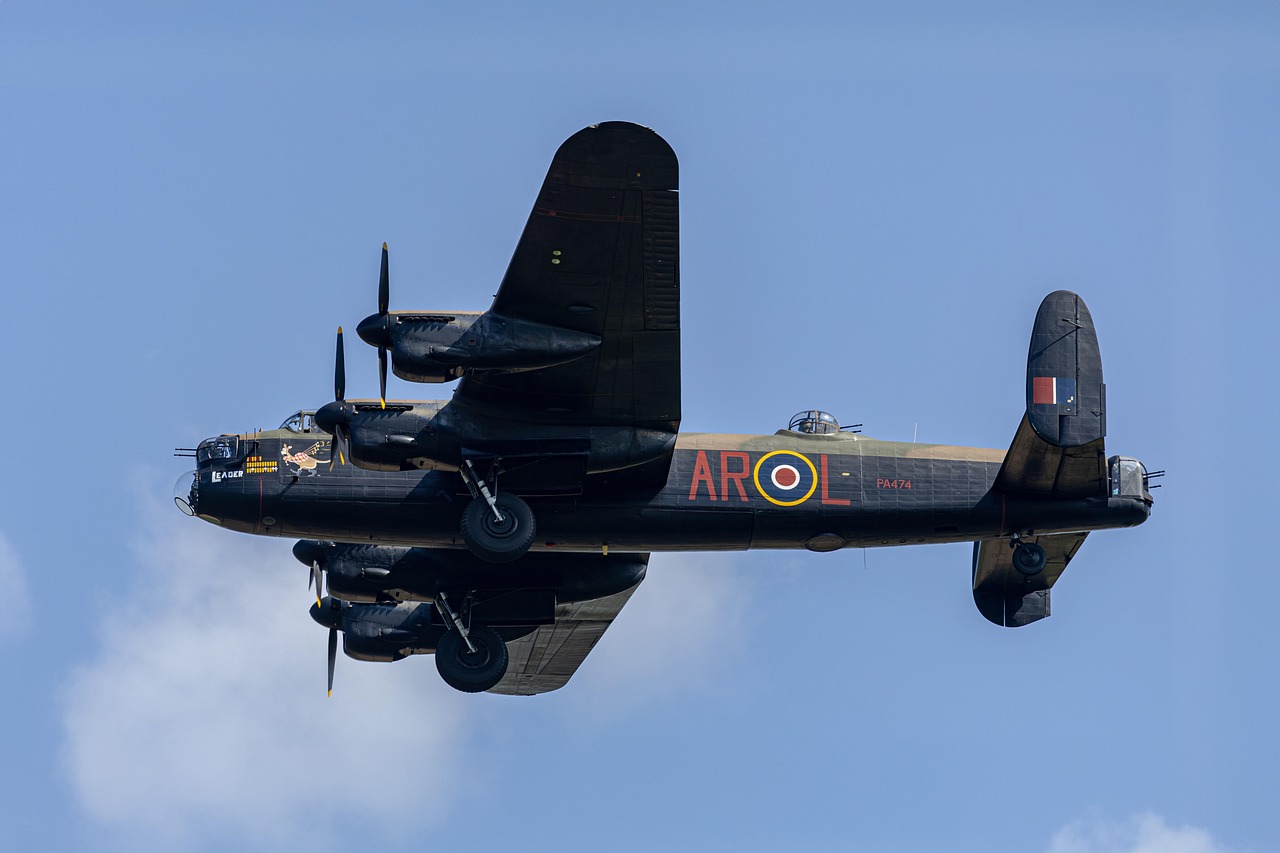
The Pacific War is typically told in Western histories as the story of American island-hopping campaigns, the bombing of Hiroshima and Nagasaki, and Japan's surrender on the USS Missouri. These events are real and significant. But the Pacific War was simultaneously a much larger conflict — involving China, Korea, Southeast Asia, the Philippines, and Pacific Island nations — whose dimensions and human costs are systematically underrepresented in Western popular history. Here is the broader honest history.
The War in China: The Forgotten Dimension
Japan's war in China began in 1937, four years before Pearl Harbor, and continued until Japan's surrender in 1945. The Second Sino-Japanese War was one of the most devastating conflicts of the 20th century — Chinese casualty estimates range from 8 to 20 million dead, making it one of the deadliest conflicts in history. The Nanjing Massacre (December 1937-January 1938), in which Japanese forces killed an estimated 100,000-300,000 Chinese civilians and prisoners of war over six weeks, is documented but receives minimal attention in Western popular history compared to events of similar or lesser scale in European theaters. The China theater tied down hundreds of thousands of Japanese troops throughout the Pacific War — the Nationalist and Communist Chinese forces, despite being under-equipped and fighting a brutal conflict with limited external support, played an essential role in preventing Japan from consolidating its position in Asia. Western histories that begin the Pacific War at Pearl Harbor systematically omit this context.
The Human Cost Across Southeast Asia
Japanese occupation of Southeast Asia (the Philippines, Indonesia, Malaya, Burma, Vietnam, and others) from 1941-1945 produced human costs that remain underacknowledged in Western histories. In the Philippines, Japanese occupation and the brutal fighting of liberation produced approximately one million Filipino civilian deaths. The Indonesian occupation contributed to a famine in Java that killed 2-4 million people. The construction of the Burma-Thailand Railway (the Death Railway) by Allied prisoners of war and Asian forced laborers killed approximately 16,000 Allied POWs and an estimated 90,000-100,000 Asian laborers — the POW deaths are extensively documented in Western histories; the far larger Asian death toll from the same project is rarely mentioned in the same breath. The comfort women system — the coerced sexual servitude of women primarily from Korea, China, and Southeast Asia for Japanese military forces — is documented but remains contested in Japanese domestic politics in ways that Korean and Chinese survivors and historians find unacceptable.
The Decision to Use Atomic Bombs: A More Complete Picture
The Hiroshima and Nagasaki bombings are among the most debated decisions in military history. The standard American justification — that the bombings avoided a land invasion that would have cost hundreds of thousands of Allied and millions of Japanese lives — is partially supported by evidence about projected invasion casualty estimates, but the historical picture is more complex. The Soviet declaration of war against Japan on August 8, 1945 (between Hiroshima and Nagasaki) was a significant factor in Japan's decision to surrender — some historians argue it was more decisive than the atomic bombs for the specific timing of surrender. The targeting of civilian cities rather than purely military targets, the almost immediate second bombing of Nagasaki before Japan could fully assess the Hiroshima damage, and the racial dimensions of the decision (historians have noted that Germany, which surrendered before the bomb was ready, was not targeted) are legitimate historical questions. None of this erases Japanese aggression and atrocities — but the full historical picture is more morally complex than triumphalist narratives acknowledge.
Honest Bottom Line: The Pacific War was far larger and more devastating than Western popular histories convey. The Second Sino-Japanese War (1937-1945) killed 8-20 million Chinese — a conflict that predated Pearl Harbor and is systematically underrepresented in Western accounts. Southeast Asian occupation casualties, including the Asian death toll of the Death Railway far exceeding Allied POW deaths, receive minimal Western historical attention. The atomic bomb decision involves genuine historical complexity around Soviet entry into the war, targeting decisions, and racial dimensions that triumphalist narratives do not acknowledge. A complete understanding of the Pacific War requires sources beyond Western popular history.

Marcus Johnson holds a PhD in Modern History from the University of Edinburgh and has spent 11 years making historical research accessible to general audiences. He covers history, world affairs, and cultural analysis wit...
![The Vietnam War [2026]: What It Was Actually About](/img/posts/fix-vietnam-war-honest-history-2026-3c364a1d.jpg)
![The Industrial Revolution [2026]: What It Actually Did to Human Life, Good and Bad](/img/posts/fix-industrial-revolution-honest-2026-745c86fc.jpg)