Ultra-Processed Foods in 2026: What the NOVA Classification Actually Means and Why It Matters
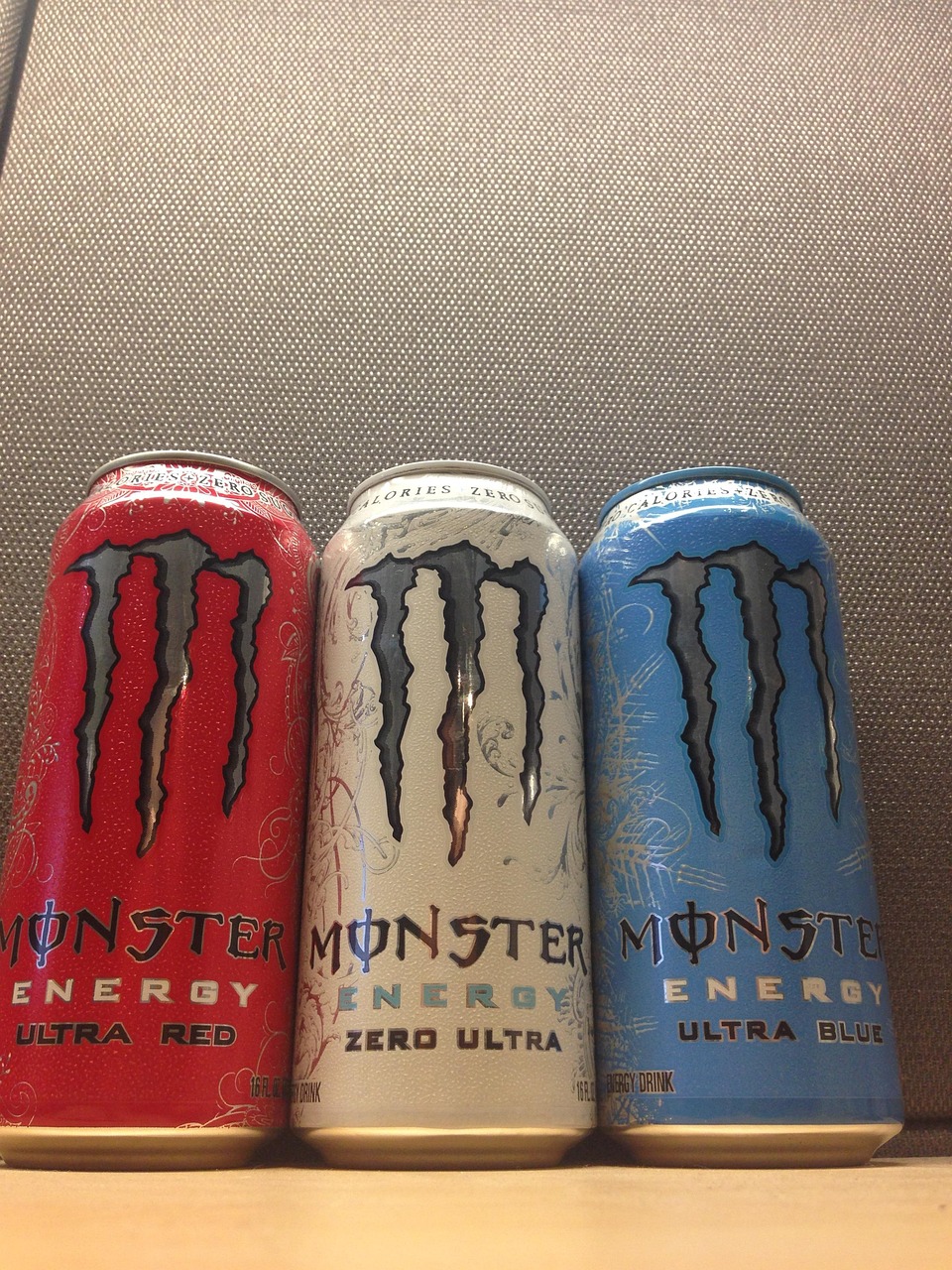
The term "ultra-processed food" has moved from academic nutrition research into mainstream health discourse, where it's often used loosely enough to mean anything from breakfast cereal to a fast food burger. Understanding what the NOVA classification system actually measures, what the research actually shows, and how to practically apply it is worth the effort — the evidence is more compelling than most nutrition research.
What the NOVA Classification Is
NOVA (not an acronym) is a food classification system developed by Carlos Monteiro and colleagues at the University of São Paulo that groups foods by their degree and purpose of industrial processing, not by nutritional composition. This is a significant departure from conventional nutritional epidemiology, which focuses on nutrient content rather than processing.
The four NOVA groups: Group 1 (unprocessed and minimally processed foods — fresh vegetables, plain milk, unprocessed meats), Group 2 (processed culinary ingredients — oils, butter, sugar, salt), Group 3 (processed foods — canned vegetables, cheese, cured meats), Group 4 (ultra-processed foods — formulations of largely industrial ingredients with various additives).
The key characteristic of ultra-processed (Group 4) foods: they typically contain ingredients not found in domestic kitchens — emulsifiers, artificial flavors, modified starches, colorings, and various additives whose primary purpose is to extend shelf life, enhance palatability, or achieve food-like properties in formulations that wouldn't otherwise have them.
What the Research Shows
The NOVA framework has produced a substantial body of epidemiological research since 2010, and the findings are unusually consistent for nutrition research (which has a well-documented replication problem). Higher ultra-processed food consumption is associated with:
Increased all-cause mortality — the NutriNet-Santé study (France, 100,000+ participants) and multiple subsequent cohort studies have found significant associations between ultra-processed food consumption and all-cause mortality after adjusting for multiple confounders.
Increased risk of cardiovascular disease, type 2 diabetes, obesity, depression, and some cancers — findings replicated across different populations and research groups.
The NOVA framework's associations with health outcomes are generally stronger than associations based on individual nutrients — which is the finding that makes it significant. It suggests that food processing itself, independent of the nutrients in the processed food, may be affecting health outcomes.
Why Processing Might Matter Independently of Nutrients
Several mechanisms have been proposed for why processing affects health outcomes independent of nutrient content:
Food matrix disruption — the physical structure of food affects digestion, satiety, and metabolic response. Processing often disrupts the food matrix in ways that increase digestive speed, affect satiety signaling, and alter gut microbiome effects. Whole grain bread and whole grain cereal have very similar nutritional compositions but different metabolic effects partly because of matrix differences.
Additive effects — emulsifiers (particularly polysorbate-80 and carboxymethylcellulose) have been shown in animal models to affect gut microbiome composition and gut barrier function. Whether these effects translate to human health impacts at normal dietary doses is being actively researched.
Hyperpalatability engineering — ultra-processed foods are specifically engineered for palatability combinations (fat-salt-sugar ratios) that don't occur in nature and that override normal satiety signaling. The result is higher caloric consumption per eating event.
Practical Application
The NOVA framework doesn't require abandoning all processed food. Group 3 (processed foods like canned beans, cheese, and cured meats) doesn't appear in the negative outcome associations. The research is specifically about Group 4 ultra-processed formulations.
A practical threshold: if the ingredient list contains multiple items that aren't regular kitchen ingredients — if you'd need a food science background to recognize what's in it — it's likely ultra-processed. The ingredient list of bread made from flour, water, yeast, and salt is different from industrial bread containing dozens of additives.
The dietary pattern that the research implicitly supports is not about individual food rules but about the proportion of diet coming from different NOVA groups — minimally processed foods and home-cooked meals made from ingredients, with ultra-processed foods as occasional rather than staple.
Honest Bottom Line: The NOVA ultra-processed food classification is an epidemiological research framework, not marketing, and the evidence for its health associations is unusually consistent for nutrition research. Higher ultra-processed food consumption is associated with increased mortality and multiple chronic diseases across multiple large cohort studies. The proposed mechanisms — food matrix disruption, additive effects, hyperpalatability — are plausible and being actively researched. Practically, minimizing Group 4 ultra-processed foods (identifiable by long ingredient lists including industrial additives) and prioritizing minimally processed foods and home cooking is the dietary shift the research supports.

Sarah Mitchell is a health and wellness writer with a background in nutritional science and clinical psychology. With 8 years of experience translating complex medical research into actionable guidance, she covers eviden...


![Gut Health [2026]: What the Microbiome Research Actually Shows vs What Is Being Sold](/img/posts/gut-health-honest-guide-2026-99b2ba1a.jpg)