Nutrition Science: What We Actually Know vs. What Gets Reported [2026]
![Nutrition Science: What We Actually Know vs. What Gets Reported [2026]](/img/posts/fix-nutrition-science-what-we-actually--8dcb169a.jpg)
Nutrition science has a legitimacy problem: it regularly produces headlines that contradict previous headlines, which makes the entire field look unreliable to most people. The field's reputation suffers from how its findings are reported more than from the actual state of the evidence. Here is what nutrition science can and can't tell us, and how to read nutrition claims more accurately.
Why Nutrition Research Is Hard
The gold standard of medical evidence — the randomized controlled trial — is difficult to execute in nutrition research for fundamental reasons. You can't blind people to what they're eating. Long-term dietary interventions (months to years of controlled eating) are essentially impossible to conduct rigorously because compliance degrades and people can't be kept in controlled environments indefinitely. The alternative — observational studies that track what people report eating and what health outcomes they experience — is susceptible to confounding variables that are difficult to disentangle. Healthy eaters differ from unhealthy eaters in dozens of ways beyond the specific dietary variable being studied.
Food frequency questionnaires — the primary method for tracking dietary intake in large observational studies — ask people to recall what they ate over the past year, which human memory doesn't support accurately. The measurement error in nutrition research is substantial, which means effect sizes need to be large to be detectable above the noise. Small effects (slightly higher risk associated with moderate consumption of something) are genuinely difficult to measure reliably using available methods.
What the Consensus Actually Supports
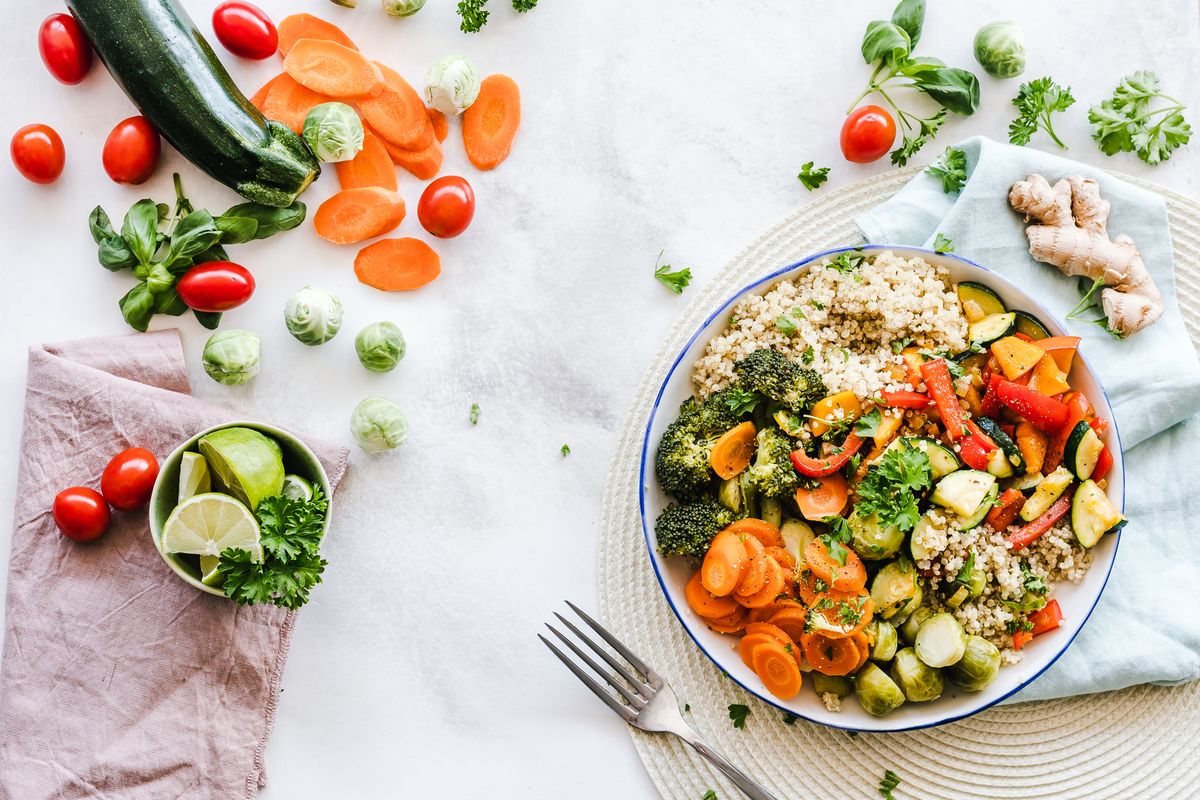
Despite the methodological challenges, some nutritional findings have sufficient evidence across multiple study types to be taken seriously. Diets primarily composed of whole foods (vegetables, fruits, legumes, whole grains, nuts, seeds, lean protein) and low in ultra-processed foods are associated with better health outcomes across a consistent body of research. This broad pattern holds across cultures and dietary traditions — Mediterranean, traditional Japanese, and various other traditional diets that emphasize whole foods all show similar benefit patterns.
The specific macronutrient debates (low-fat vs. low-carb vs. high-protein) are genuinely uncertain — the evidence doesn't consistently favor one macronutrient composition over others for long-term health in otherwise similar diets. The quality of foods within any macronutrient category matters more than the ratio — olive oil and trans fat are both fat; broccoli and white bread are both carbohydrates. Focusing on food quality (how processed, how whole, how nutritionally dense) is more robustly supported than focusing on macronutrient ratios.
How to Read Nutrition Headlines
The specific questions to ask when reading a nutrition finding: Was this a randomized trial or an observational study? (Observational studies show associations, not causation.) What was the effect size? (Small effects in observational studies of self-reported dietary data are not reliable.) Was this studied in a specific population? (Findings in one demographic don't always transfer.) Has this been replicated? (Single studies, regardless of their headline appeal, are weak evidence.) Who funded it? (Industry-funded research on industry products has a well-documented bias pattern.)
The "eat this superfood for longevity" genre of nutrition reporting is almost always based on weak evidence — usually one observational study in a specific population, with small effect sizes, often industry-connected. The sensible baseline ignores individual superfood headlines and focuses on the broad dietary pattern that the evidence does support: mostly whole foods, less ultra-processed food, a variety of vegetables and protein sources, and a diet you can sustain.
My honest take: Mostly whole foods, less ultra-processed food. Ask whether nutrition headlines are from observational studies before acting on them. The broad pattern matters more than any specific food.
Important Limitations
The information here reflects general health evidence and is not a substitute for professional medical advice. Individual health situations vary significantly — what works for the average person in a clinical study may not be appropriate for your specific circumstances, medical history, or current medications. Consult a qualified healthcare provider before making significant changes to your health regimen, particularly for any existing conditions.

Sarah Mitchell is a health and wellness writer with a background in nutritional science and clinical psychology. With 8 years of experience translating complex medical research into actionable guidance, she covers eviden...


![Gut Health [2026]: What the Microbiome Research Actually Shows vs What Is Being Sold](/img/posts/gut-health-honest-guide-2026-99b2ba1a.jpg)