The Mediterranean Diet: What the Science Actually Proves [2026]
![The Mediterranean Diet: What the Science Actually Proves [2026]](https://pixabay.com/get/gd469a8c796d5319ad17a10f276314dbf0854f6999e687c630a4d96970e7cad0988512a527dca1ff53eb8ba1283ced24c6cfcbfb68a74e01fd7b9b8ff01f5aa88_1280.jpg)
The Mediterranean diet consistently beats out diet ranking for years — and unlike most dietary trends, it's backed by decades of rigorous research. It's not a weight-loss plan; it's a pattern of eating associated with longer life, lower cardiovascular disease risk, and better cognitive health.
The Core Foods
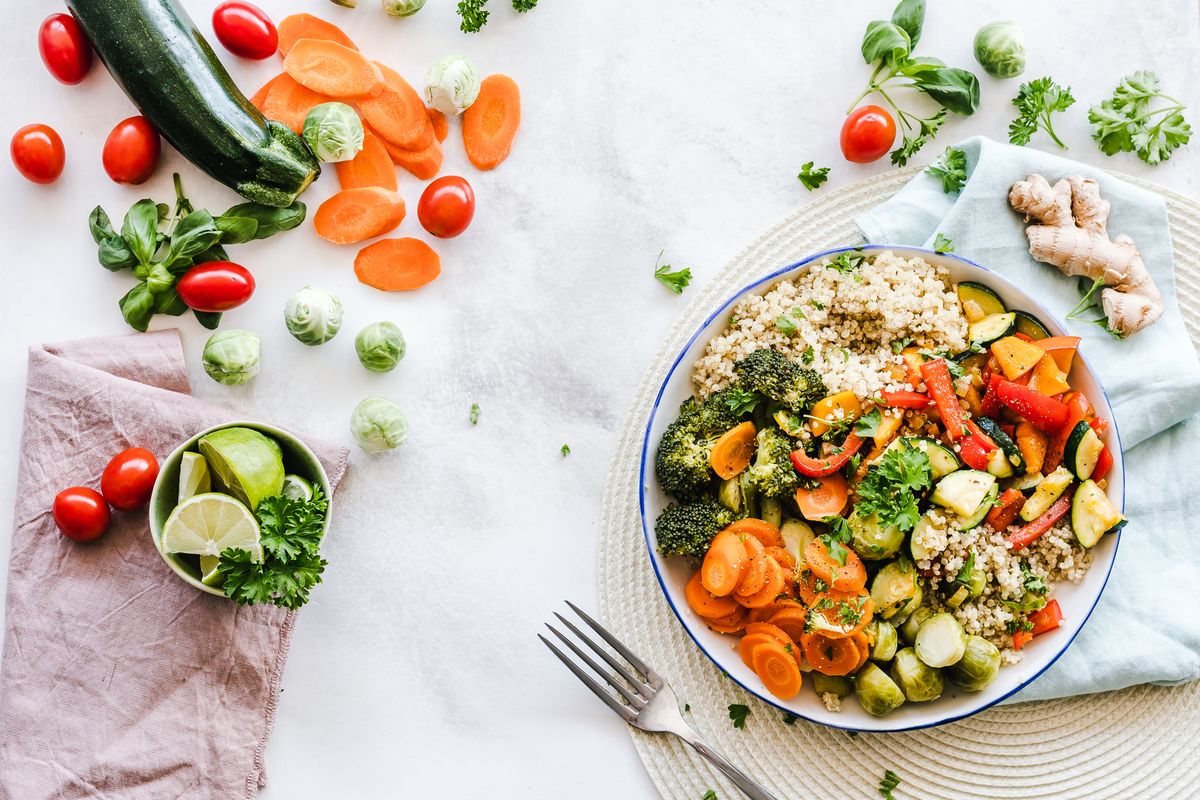
Olive oil is the foundation — used generously for cooking and dressing. Vegetables, fruits, legumes, and whole grains form the bulk of daily eating. Fish and seafood appear at least twice weekly. Poultry, eggs, and dairy in moderation. Red meat rarely. Wine optionally, with meals. The pattern is plant-forward without being vegetarian.
What the Research Says
The landmark PREDIMED study followed 7,500 people at cardiovascular risk and found those on a Mediterranean diet supplemented with olive oil or nuts had a 30% reduction in cardiovascular events. Studies consistently show associations with reduced dementia risk, lower inflammation markers, and better metabolic health. The mechanism appears to be the combination of polyphenols, healthy fats, and fiber rather than any single component. — or at least that's been my experience. Your mileage may vary.
Getting Started (For Real)
Replace butter with olive oil. Add legumes (lentils, chickpeas, beans) to three meals per week. Eat fish twice weekly. Make vegetables the main event rather than the side dish. Snack on nuts and fruit. This isn't a diet with rules — it's a culinary tradition with principles.
My honest take: Bottom line: the best health habit is the one you'll actually stick to.
The Scientific Evidence Base
The Mediterranean diet has among the strongest evidence of any dietary pattern for cardiovascular health. The PREDIMED trial — a randomized controlled trial of over 7,000 participants — found that a Mediterranean diet supplemented with olive oil or nuts reduced major cardiovascular events by approximately 30% compared to a low-fat control diet. Multiple subsequent meta-analyses have confirmed these findings across different populations. The evidence for cognitive health and longevity associations is observational but consistent across large cohort studies.
What the Mediterranean Diet Actually Looks Like
The Mediterranean diet is a dietary pattern, not a strict prescription. Its defining characteristics: olive oil as the primary fat source, abundant vegetables and legumes, whole grains rather than refined grains, fish at least twice per week, moderate dairy (primarily yogurt and cheese), limited red meat, and wine in moderation with meals for those who drink. The social and cultural dimensions — eating with others, unhurried meals — are part of the pattern in Mediterranean populations but difficult to transplant directly.
Practical Implementation
The most effective implementation for people transitioning from a typical Western diet: add rather than subtract initially. Add olive oil as the cooking fat, add more vegetables to existing meals, add legumes to two or three meals per week, add fish where you previously had red meat. These additions crowd out less healthy elements naturally and are more sustainable than wholesale dietary replacement. The Mediterranean diet is a framework, not a meal plan — flexibility within the pattern is the point.
Honest Bottom Line: The Mediterranean diet has the strongest evidence base of any dietary pattern for cardiovascular health — the PREDIMED trial showed 30% reduction in major cardiovascular events. Its defining features: olive oil as primary fat, abundant vegetables and legumes, fish twice weekly, limited red meat. Implement by adding rather than subtracting — olive oil, more vegetables, legumes, and fish crowd out less healthy elements more sustainably than wholesale dietary replacement.

Sarah Mitchell is a health and wellness writer with a background in nutritional science and clinical psychology. With 8 years of experience translating complex medical research into actionable guidance, she covers eviden...


![Gut Health [2026]: What the Microbiome Research Actually Shows vs What Is Being Sold](/img/posts/gut-health-honest-guide-2026-99b2ba1a.jpg)