Gut Health in [2026]: What the Microbiome Research Actually Shows
![Gut Health in [2026]: What the Microbiome Research Actually Shows](/img/posts/1505751172876-fa1923c5c528.jpg)
The gut microbiome has gone from an obscure area of microbiology to one of the most actively researched fields in all of medicine — and simultaneously one of the most aggressively marketed wellness categories. The gap between what the science actually shows and what the supplement industry claims is substantial. Here is the honest version of what we know about gut health in 2026.
What the Microbiome Actually Is
Your gut microbiome is the community of trillions of microorganisms — bacteria, archaea, fungi, viruses, and other microbes — living primarily in your large intestine. The bacterial component alone contains approximately 38 trillion cells, roughly equal to the number of human cells in your body. These microorganisms collectively encode about 3.3 million genes, compared to the approximately 23,000 in the human genome — meaning the microbial genes in your gut outnumber your own genes by more than 100 to 1.
This community performs functions that your body can't do alone: fermenting dietary fiber that your digestive enzymes can't break down, producing short-chain fatty acids (SCFAs) that fuel colon cells and regulate immune function, synthesizing certain vitamins (including some B vitamins and vitamin K), training and regulating the immune system, and producing neurotransmitters that communicate with the brain via the gut-brain axis. The last point — that gut bacteria produce approximately 90% of the body's serotonin — is one of the most frequently cited facts in microbiome popular science and one of the most commonly misunderstood (the gut serotonin doesn't cross the blood-brain barrier and primarily functions in gut motility regulation, not mood).
The Gut-Brain Connection: Separating Signal from Noise
The gut-brain axis — the bidirectional communication network between the enteric nervous system in the gut and the central nervous system in the brain — is a genuine and significant area of neuroscience research. The vagus nerve carries signals in both directions; gut bacteria influence the production of neurotransmitter precursors and inflammatory molecules that can affect brain function; the gut's enteric nervous system contains more neurons than the spinal cord.
What's established: there are real correlations between gut microbiome composition and mental health conditions including depression and anxiety. People with depression tend to have different microbiome compositions than those without. Animal studies have shown that transplanting gut bacteria from depressed humans into germ-free mice produces depressive behaviors in the mice.
What's not established: whether these correlations are causal, which direction causation runs (does gut dysbiosis cause depression, or does depression — through changes in diet, sleep, stress hormones, and medication — alter the microbiome?), and whether intervening on the microbiome can meaningfully improve mental health outcomes. The human clinical trial evidence on probiotics for depression is promising but not conclusive. Anyone selling you probiotics primarily on mental health grounds is ahead of the evidence.
What Diet Does to the Microbiome
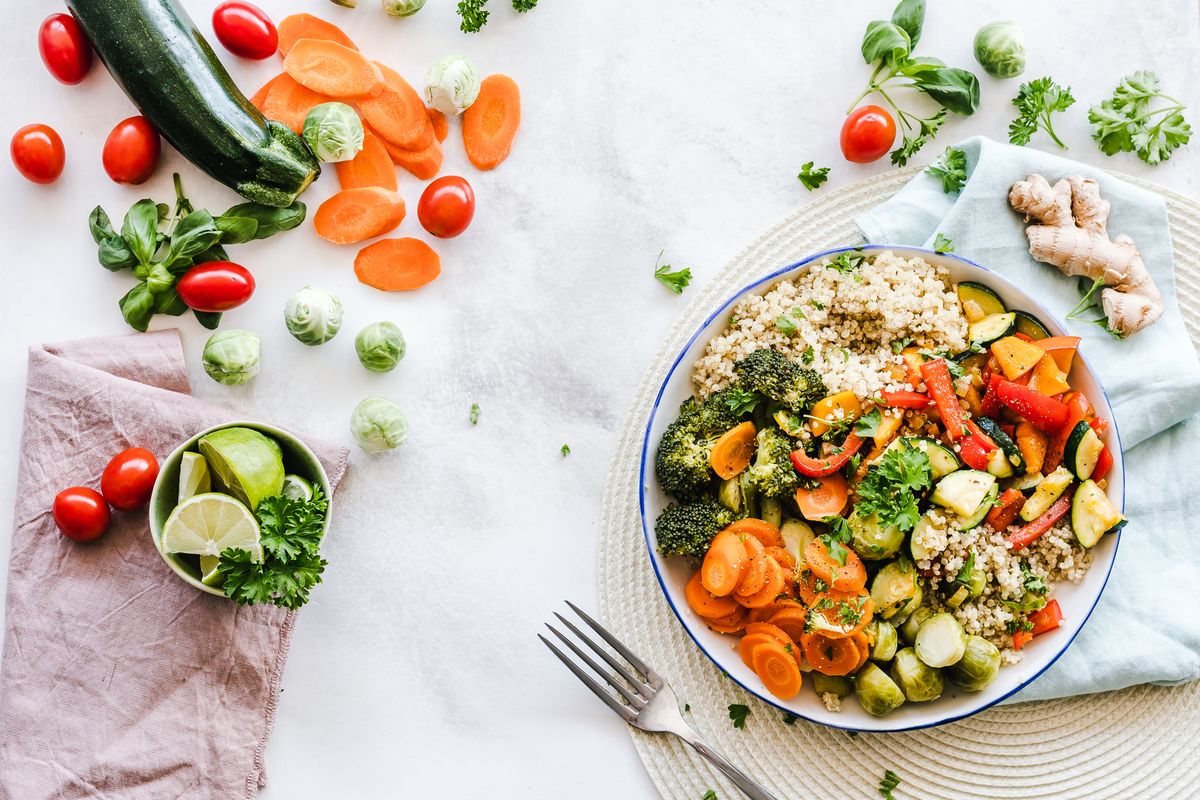
Dietary fiber is the most important dietary variable for microbiome health — and it's the intervention with the strongest evidence. Gut bacteria ferment soluble fiber into short-chain fatty acids (particularly butyrate, propionate, and acetate) that have anti-inflammatory effects, support colon cell health, and appear to regulate metabolic and immune function. The research comparing high-fiber diets with low-fiber diets consistently shows more diverse, more stable microbiomes in people who eat more fiber — diversity being associated with better health outcomes across most studies that have measured it.
The fiber target that most evidence supports: 30g+ per day for adults, with diversity of fiber sources mattering alongside total quantity. Most Western adults get 12-15g daily. Achieving 30g typically requires intentional inclusion of legumes, vegetables (particularly root vegetables and brassicas), whole grains, nuts, and seeds — not just avoiding white bread.
Ultra-processed foods appear to be specifically harmful to microbiome diversity. Studies comparing traditional diets with Western processed food diets show consistently lower microbiome diversity in the processed food groups. The emulsifiers in many processed foods (polysorbate 80, carboxymethylcellulose) have shown concerning effects on gut barrier integrity in animal models, though the doses in animal studies are typically higher than human dietary exposure.
Probiotics: The Honest Assessment
Probiotic supplements are one of the largest segments of the supplement industry, and the evidence for most of them is far weaker than the marketing suggests. The fundamental problem with most probiotic research is that studies use specific strains in specific populations for specific conditions — and the results don't generalize. Lactobacillus rhamnosus GG preventing antibiotic-associated diarrhea doesn't mean that any probiotic supplement helps with general gut health.
What probiotics have reasonable evidence for: preventing antibiotic-associated diarrhea (specific strains, when taken alongside antibiotics), reducing duration of certain types of acute diarrhea, and managing symptoms of some people with irritable bowel syndrome (IBS). The IBS evidence is particularly interesting — for a subset of IBS patients, specific probiotic formulations produce meaningful symptom improvement, though identifying which patients will respond is not yet well-established.
Fermented foods — yogurt, kefir, kimchi, sauerkraut, kombucha — have better evidence than most probiotic supplements. A 2021 Stanford study showed that a high-fermented-food diet increased microbiome diversity and reduced inflammatory markers more than a high-fiber diet (though the combination wasn't tested). The advantage of fermented foods over supplements: they contain diverse bacterial populations rather than a few selected strains, plus prebiotic compounds and other bioactive molecules that may contribute to benefit.
Fecal Microbiota Transplant (FMT): Where the Science Is Genuinely Impressive
Fecal microbiota transplant — transferring gut bacteria from a healthy donor to a recipient — is the most dramatic demonstration that the microbiome can be therapeutically targeted. For recurrent Clostridioides difficile infection (a serious antibiotic-resistant gut infection), FMT has approximately 90% cure rates where antibiotics have failed. This is one of the most effective treatments for any condition in modern medicine and is FDA-approved for this specific indication.
The research pipeline for FMT in other conditions — inflammatory bowel disease, metabolic syndrome, autism spectrum disorder, Parkinson's disease — is active but much less mature. The results are promising in some conditions and disappointing in others. FMT is not a general wellness intervention; it's a medical procedure with genuine risks (including the theoretical risk of transferring pathogens from donor to recipient, which has caused deaths in clinical trials when screening was inadequate).
My take: Eat more fiber — 30g+ daily from diverse sources — and more fermented foods. That's the intervention with the strongest evidence for microbiome health. Be skeptical of probiotic supplements marketed for general gut health or mental health. The microbiome science is genuinely exciting and genuinely early; most of what's being sold is ahead of what's been proven.

Sarah Mitchell is a health and wellness writer with a background in nutritional science and clinical psychology. With 8 years of experience translating complex medical research into actionable guidance, she covers eviden...

![Gut Health [2026]: What the Microbiome Research Actually Shows vs What Is Being Sold](/img/posts/gut-health-honest-guide-2026-99b2ba1a.jpg)