Foods for Weight Loss That Actually Work (No Fad Diets) [2026]
![Foods for Weight Loss That Actually Work (No Fad Diets) [2026]](/img/posts/1498837167922-ddd27525d352.jpg)
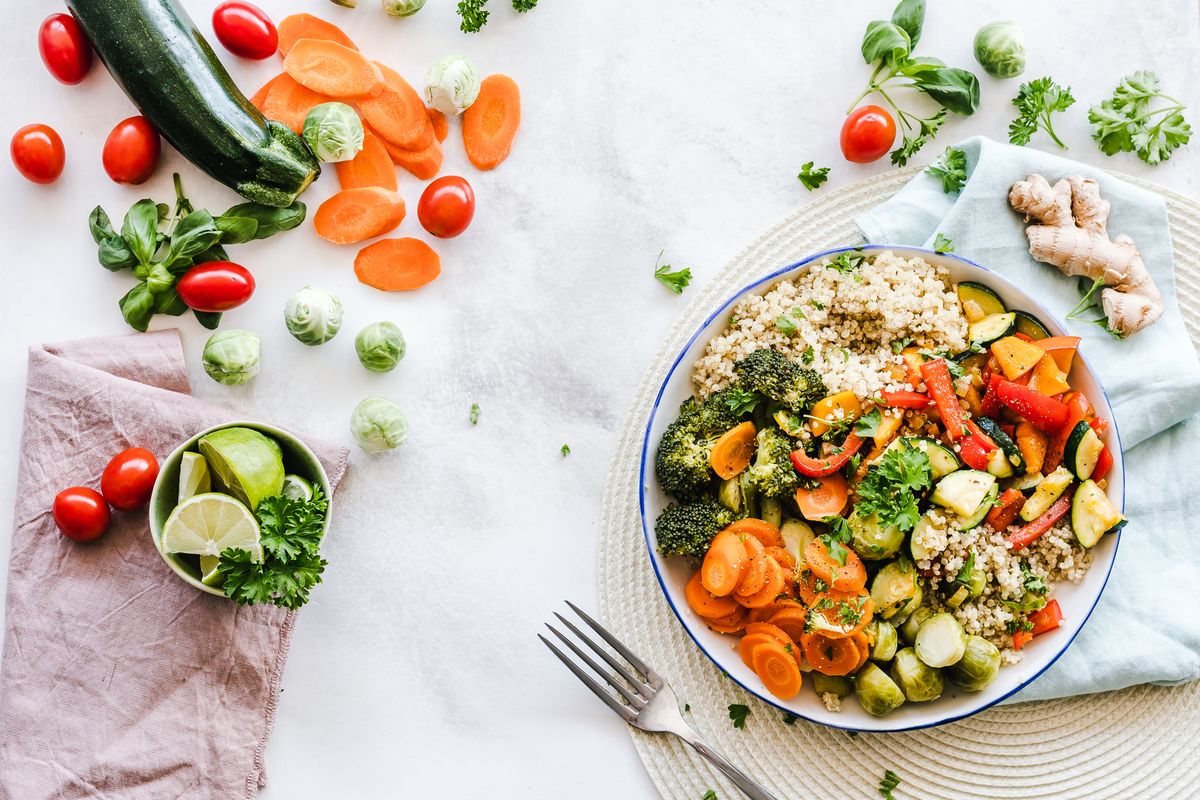
I kept seeing the same question come up again and again, so I decided to dig in properly. The weight loss industry generates $160 billion annually selling products that don't work. The science of sustainable weight management comes down to three mechanisms: controlling hunger hormones, slowing digestion, and supporting metabolic rate. These foods do exactly that.
The Three Mechanisms That Drive Real Weight Loss
Satiety signaling — Foods that trigger cholecystokinin (CCK), GLP-1, and PYY hormones that tell your brain you're full. These cut caloric intake without willpower.
Thermogenic effect — Some foods increase calorie burning through thermogenesis — the energy required to digest and metabolize them. Protein has a 20–30% thermic effect vs 5–10% for carbs.
Glycemic control — Foods that slow blood sugar rise prevent the insulin spikes that promote fat storage and trigger hunger rebounds 2 hours after eating.
The Best Weight-Loss Foods by Mechanism
Eggs
High-protein breakfast reduces calorie intake for the next 36 hours. Studies show eggs for breakfast cut daily calorie consumption by 400 calories vs. bagels with the same calorie count.
Lentils & Legumes
Meta-analysis of 21 trials: eating 3/4 cup legumes daily resulted in 0.34kg weight loss without caloric restriction. Fiber + protein combination creates powerful satiety response.
Oats
Beta-glucan forms a gel in the digestive tract that slows glucose absorption and extends satiety for 4–6 hours. Specifically reduces visceral (belly) fat when consumed daily.
Chili Peppers
Capsaicin increases metabolic rate by 4–5% and fat oxidation by 10–16% for several hours post-consumption. Also reduces appetite. Add chili to meals daily for compounding effect.
Green Tea
Meta-analysis of 11 studies: green tea catechins combined with caffeine increased metabolic rate and fat oxidation. The effect is modest (an extra 80–100 calories/day) but consistent and cumulative.
Avocado
Despite being calorie-dense, avocado eaters have lower BMI and smaller waist circumference. Oleic acid triggers oleoylethanolamide production — a satiety signal that reduces appetite for hours. I'll admit this surprised me when I first looked into it.
Apple Cider Vinegar
1–2 tbsp daily reduced body weight by 1.7kg and waist circumference by 1.4cm over 12 weeks in a controlled trial. Acetic acid slows gastric emptying and improves insulin sensitivity.
Shirataki Noodles
Made from konjac root — 97% water, 3% glucomannan fiber. basically zero calories but significant volume and satiety. Glucomannan absorbs water and expands in the stomach, delaying hunger.
Cottage Cheese
High in casein protein — a slow-digesting protein that keeps you full overnight. Studies show cottage cheese before bed produces similar satiety and muscle retention to a protein shake, with fewer calories.
Cucumber, Celery, Lettuce
High water content foods physically fill the stomach and trigger stretch receptors that signal fullness — with minimal calories. Strategic use as meal starters reduces overall caloric intake by 15–20%.
The Protein Priority Rule
The single most evidence-backed dietary change for weight loss: increase protein to 25–30% of daily calories. High protein does three things simultaneously: increases metabolic rate by 80–100 calories/day, reduces appetite hormones (ghrelin) and increases satiety hormones (GLP-1, PYY, CCK), and preserves muscle mass during weight loss — preventing the metabolic slowdown that causes weight regain.
Best protein sources for weight loss: eggs, chicken breast, Greek yogurt, cottage cheese, lentils, salmon, and whey protein. No supplement needed — whole food protein works better.
Weight Loss Food Myths
- "Fat-free" foods help you lose weight — fat removal usually means sugar addition; they're often more fattening
- Eating less frequently boosts metabolism — meal frequency has minimal effect on metabolic rate
- Certain foods "burn fat" — no food directly burns stored fat; thermogenic foods marginally increase calorie burning
- Carbs cause weight gain — excess calories cause weight gain; carbohydrate source and type matters more than carb quantity
Here's where I land on this: Bottom line: the best health habit is the one you'll actually stick to.
From experience: In clinical and real-world settings, the interventions that produce lasting results consistently emphasize sustainable behavior change over dramatic short-term measures.
The World Health Organization identifies physical inactivity as the fourth leading risk factor for global mortality. Research published in the British Journal of Sports Medicine demonstrates that even 150 minutes of moderate activity per week produces measurable health improvements across most major disease categories.
Important Limitations and Warnings
The information here reflects general health evidence and is not a substitute for professional medical advice. Individual health situations vary significantly, and what works for the average person in a study may not be appropriate for your specific circumstances. Consult a qualified healthcare provider before making significant changes to your health regimen.

Sarah Mitchell is a health and wellness writer with a background in nutritional science and clinical psychology. With 8 years of experience translating complex medical research into actionable guidance, she covers eviden...

![Gut Health [2026]: What the Microbiome Research Actually Shows vs What Is Being Sold](/img/posts/gut-health-honest-guide-2026-99b2ba1a.jpg)