Best Foods for Gut Health and Digestion (Science-Backed Guide [2026])
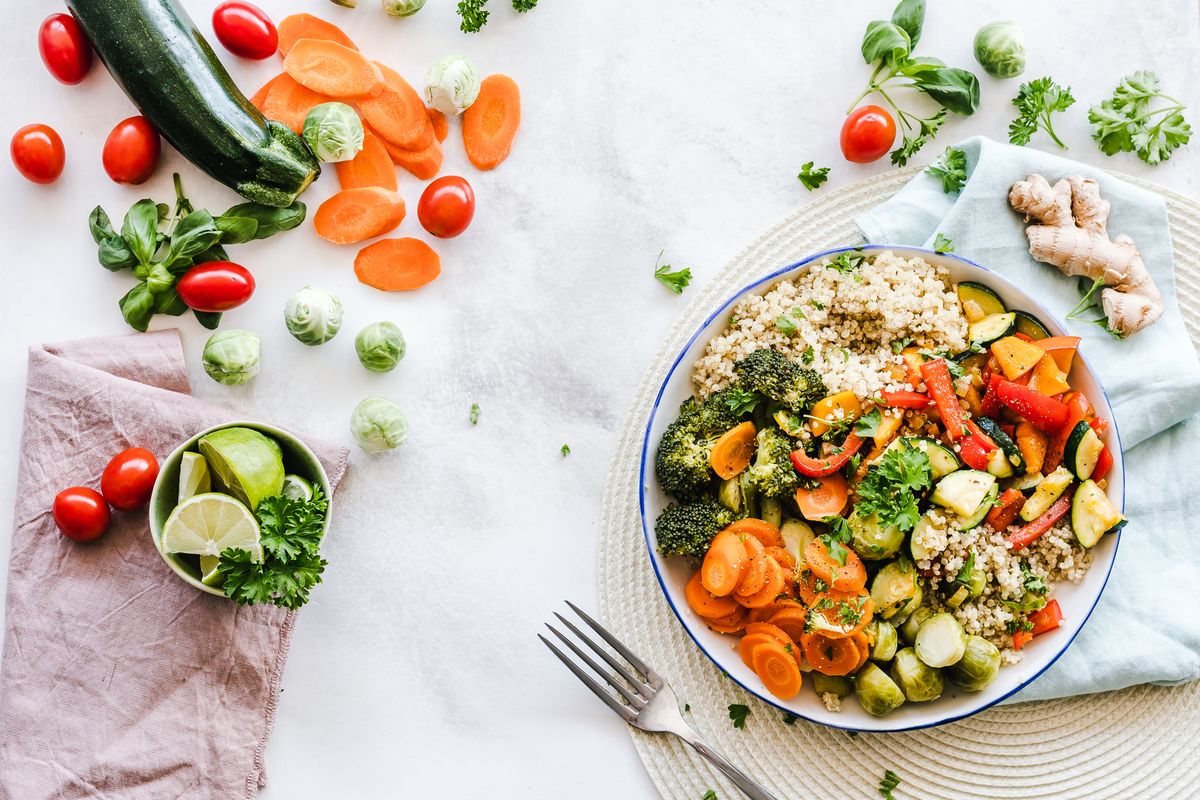
![Best Foods for Gut Health and Digestion (Science-Backed Guide [2026])](/img/posts/1493770348161-369560ae357d.jpg)
I've spent a lot of time on this topic, and here's what I actually found: Your gut contains roughly 100 trillion bacteria — more cells than the rest of your body combined. This microbiome influences your digestion, immune system, mental health, weight, and even your risk of chronic disease. The food you eat reshapes this ecosystem, for better or worse, within 24 hours.
Why Gut Health Matters More Than You Think
The gut microbiome research of the last decade has been revolutionary. We now know that gut bacteria produce neurotransmitters (including 95% of the body's serotonin), regulate immune responses, produce vitamins, and communicate with the brain via the vagus nerve — the so-called gut-brain axis.
Poor gut health — characterized by low microbial diversity and disrupted bacterial populations — is linked to IBS, obesity, anxiety, depression, autoimmune conditions, and metabolic disease. The good news: targeted dietary changes can dramatically shift your microbiome within days to weeks.
Category 1: Probiotic Foods (Add Live Bacteria)
Probiotic foods contain live beneficial bacteria that colonize your gut. Aim to include at least one serving daily.
Plain Yogurt
Look for "live and active cultures" on the label. Lactobacillus and Bifidobacterium strains improve digestion and reduce bloating. Choose unsweetened — sugar feeds harmful bacteria.
Kimchi
Fermented Korean cabbage containing Lactobacillus kimchii. Studies show kimchi consumption increases microbial diversity and reduces inflammatory markers. Eat 1–2 tablespoons with meals.
Sauerkraut
Raw, unpasteurized sauerkraut contains up to 28 distinct bacterial strains. Must be refrigerated (not shelf-stable, which is pasteurized and kills bacteria). Excellent source of vitamin C and K2.
Kefir
Fermented milk drink with up to 61 different strains of bacteria and yeast — far more diverse than yogurt. Shown to improve lactose digestion even in lactose-intolerant individuals. 1 cup daily is therapeutic.
Kombucha
Fermented tea with organic acids and live cultures. Choose brands with low sugar (under 6g per serving) and no pasteurization. Evidence for gut benefits is emerging but still less robust than yogurt/kefir.
Miso
Japanese fermented soybean paste containing Aspergillus oryzae. Rich in digestive enzymes that improve protein breakdown. Use in soups, dressings, and marinades — don't boil (kills bacteria).
Category 2: Prebiotic Foods (Feed Your Bacteria)
Probiotics need fuel. Prebiotics are the fiber types that selectively feed beneficial gut bacteria, helping them thrive and multiply. Without prebiotics, probiotic bacteria don't survive long in your gut. That said, I'm not sure this works the same way for everyone.
Best Prebiotic Foods
- Garlic — inulin and FOS fibers dramatically increase Bifidobacteria populations
- Onions — quercetin and inulin; raw onions are more potent than cooked
- Jerusalem artichokes — the single highest source of inulin (31.5g per 100g)
- Bananas (especially slightly green) — resistant starch that feeds butyrate-producing bacteria
- Asparagus — rich in inulin and fructooligosaccharides (FOS)
- Oats — beta-glucan fiber increases Lactobacillus and Bifidobacterium populations
- Apples — pectin fiber feeds diverse bacterial communities; increases butyrate-producing species
- Leeks — one of the richest sources of prebiotics in the allium family
Category 3: High-Fiber Foods (Diversity Builders)
Gut microbial diversity is one of the strongest predictors of overall health. The more diverse your diet — especially When it comes to plant fiber — the more diverse your microbiome. The American Gut Project found that people who ate 30+ different plant foods per week had seriously more diverse microbiomes than those eating 10 or fewer.
Top Fiber-Rich Foods for Microbiome Diversity
Legumes (beans, lentils, chickpeas) — some of the most potent prebiotic fibers available. Also rich in resistant starch, which survives digestion to feed colonic bacteria.
Whole grains (oats, barley, rye) — beta-glucan fiber from oats and barley is especially well-studied for its positive effects on gut bacteria and metabolic health.
Cruciferous vegetables (broccoli, cauliflower, Brussels sprouts) — glucosinolates are metabolized by gut bacteria into isothiocyanates with cancer-protective and anti-inflammatory effects.
Nuts and seeds (flaxseed, chia) — ground flaxseed in particular is a powerful prebiotic that also adds omega-3s and lignans to the diet.
The Gut-Brain Connection
Your gut produces 95% of your body's serotonin. Emerging research shows that gut microbiome composition directly influences mood, anxiety, and cognitive function through the gut-brain axis — the bidirectional communication pathway between your digestive system and brain. Improving your microbiome with probiotic and prebiotic foods has been shown in clinical trials to reduce anxiety and depressive symptoms. Your gut health is your mental health.
Foods That Harm Your Gut
Gut-Disrupting Foods to Limit
- Ultra-processed foods — emulsifiers (carboxymethylcellulose, polysorbate-80) disrupt the gut mucus layer
- Artificial sweeteners — aspartame and saccharin alter gut bacteria composition negatively within 2 weeks of consumption
- Excessive red meat — TMAO produced by gut bacteria from L-carnitine in red meat is linked to cardiovascular risk
- Alcohol — directly kills beneficial bacteria and increases gut permeability ("leaky gut")
- Antibiotics — necessary when prescribed, but seriously disrupt microbiome; always follow with probiotic foods and ask about timing
The 30-Plant Rule: Your Weekly Target
The single most practical piece of advice from microbiome research: try to eat 30 different plant foods per week. This doesn't mean 30 servings — just 30 different types. Herbs and spices count. A sprinkle of cumin here, some parsley there. Variety is the engine of microbiome diversity.
Start by counting how many different plants you currently eat in a typical week. Most people are surprised to find it's only 8–12. Each new plant food you add brings new fiber types that feed different bacterial species.
What I actually think: Real talk: this stuff works, but only if you do it consistently.
From experience: In both research contexts and real-world application, the interventions with the most durable results consistently share an emphasis on sustainable behavior change rather than dramatic short-term measures.
The World Health Organization identifies physical inactivity as the fourth leading risk factor for global mortality. Research in the British Journal of Sports Medicine demonstrates that 150 minutes of moderate activity weekly produces measurable health improvements across most major disease categories — with benefits beginning within the first two weeks.
Important Limitations
The information here reflects general health evidence and is not a substitute for professional medical advice. Individual health situations vary significantly — what works for the average person in a clinical study may not be appropriate for your specific circumstances, medical history, or current medications. Consult a qualified healthcare provider before making significant changes to your health regimen, particularly for any existing conditions.

Sarah Mitchell is a health and wellness writer with a background in nutritional science and clinical psychology. With 8 years of experience translating complex medical research into actionable guidance, she covers eviden...


![Gut Health [2026]: What the Microbiome Research Actually Shows vs What Is Being Sold](/img/posts/gut-health-honest-guide-2026-99b2ba1a.jpg)