Best Foods for Brain Health and Memory (Neuroscience-Backed [2026])
![Best Foods for Brain Health and Memory (Neuroscience-Backed [2026])](/img/posts/1516594915697-87eb3b1c14ea.jpg)
I'll be honest with you from the start: Alzheimer's disease now affects 55 million people worldwide — and that number is projected to triple by 2050. What's becoming clear from neuroscience research is that what you eat in your 40s and 50s has a profound impact on your cognitive health in your 70s and 80s. Here's what to eat — and why.
How Food Affects Your Brain
The brain represents only 2% of body weight but consumes 20% of energy intake. It's especially vulnerable to oxidative damage, inflammation, and reduced blood flow — the three mechanisms behind most neurodegenerative disease. The right foods protect against all three while supporting neurogenesis (the growth of new neurons) and synaptic plasticity.
The 10 Most Brain-Protective Foods
1. Fatty Fish
The brain is 60% fat — and DHA (docosahexaenoic acid) is the primary structural fatty acid of brain cell membranes. Higher DHA levels are associated with larger brain volume, better memory, and lower Alzheimer's risk. Weekly consumption of fatty fish is arguably the most consistent predictors of cognitive health in large population studies. Two servings weekly is the evidence-based target.
2. Blueberries
Blueberries are the most studied food for cognitive function. Anthocyanins cross the blood-brain barrier and accumulate in brain regions associated with memory and learning. A 12-week trial found daily blueberry supplementation improved memory in older adults with cognitive decline. Even frozen blueberries maintain full anthocyanin content. Half a cup daily is the studied dose.
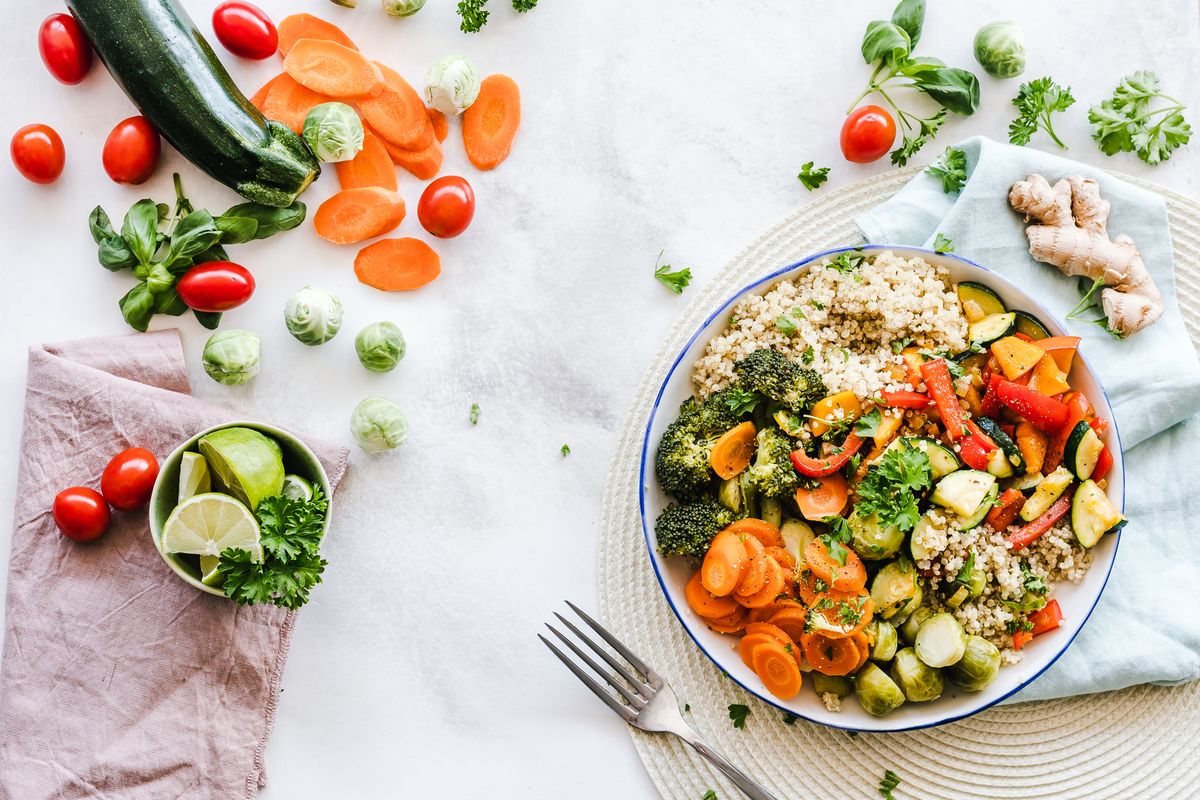
3. Broccoli
Broccoli is really rich in vitamin K — essential for sphingolipid synthesis, a type of fat densely packed in brain cells. Sulforaphane activates Nrf2, the brain's master protective pathway against oxidative stress. Higher vitamin K intake is associated with better verbal memory and cognitive function in aging adults.
4. Pumpkin Seeds
A small handful of pumpkin seeds provides exceptional amounts of four minerals critical for brain function. Zinc regulates nerve signaling; magnesium is essential for learning and memory; iron carries oxygen to the brain; copper helps control nerve signals. Deficiency in any of these is linked to cognitive impairment.
5. Dark Chocolate (70%+)
Cocoa flavanols increase blood flow to the brain and improve neurovascular coupling — the brain's ability to direct blood to active regions. A Harvard study found older adults who drank flavanol-rich cocoa for 8 weeks improved memory task performance by 30%. The key is high flavanol content: choose 70%+ dark chocolate or unsweetened cocoa powder.
6. Walnuts
Walnuts are the only nut with significant ALA omega-3 content, plus they're rich in polyphenols that reduce oxidative damage specifically in the hippocampus (the brain's memory center). The UCLA Longevity Center found walnut consumers in large US population studies scored seriously higher on cognitive tests regardless of age, gender, or ethnicity. That said, I'm not sure this works the same way for everyone.
7. Turmeric
Curcumin crosses the blood-brain barrier and directly binds to and breaks down amyloid plaques — the hallmark of Alzheimer's disease. India's low rate of Alzheimer's (despite an aging population) has been partly attributed to turmeric consumption. UCLA trials found curcumin improved memory and attention in adults with mild memory complaints over 18 months.
8. Eggs
Choline — found primarily in egg yolks — is the precursor to acetylcholine, the neurotransmitter critical for memory and muscle control. Only 10% of adults meet their daily choline requirement. Two egg yolks provide about 300mg choline — nearly the full daily requirement. Do not discard the yolk: that's where all the brain-relevant nutrients are.
9. Extra-Virgin Olive Oil
The PREDIMED trial — one of the largest nutrition studies ever conducted — found Mediterranean diet supplemented with EVOO produced seriously better cognitive function and lower dementia risk over 6 years. Oleocanthal in EVOO has been shown to help clear amyloid proteins from the brain by enhancing the brain's waste-clearing glymphatic system.
10. Green Tea
Green tea's unique combination of L-theanine and caffeine produces "calm focus" — improved attention without the jitteriness of coffee. Long-term green tea consumption is associated with reduced risk of cognitive decline. Japanese studies following elderly populations found regular green tea drinkers had 64% lower risk of cognitive impairment.
The MIND Diet — Designed for Brain Protection
The MIND diet (Mediterranean-DASH Intervention for Neurodegenerative Delay) was specifically developed to slow brain aging. A Rush University study found it reduced Alzheimer's risk by 53% in those who followed it strictly, and 35% in those who followed it moderately.
10 brain-healthy food groups to eat regularly:
- Green leafy vegetables (at least 6 servings/week)
- Other vegetables (at least 1 serving/day)
- Berries (at least 2 servings/week)
- Nuts (at least 5 servings/week)
- Olive oil as primary fat
- Whole grains (at least 3 servings/day)
- Fish (at least 1 serving/week)
- Beans (at least 4 meals/week)
- Poultry (at least 2 servings/week)
- Wine (1 glass/day — optional)
Foods That Damage Brain Health
- Ultra-processed foods — associated with 28% higher dementia risk in large cohort studies
- Trans fats — directly increase inflammation in brain tissue and disrupt memory
- High-sugar diets — impair hippocampal function and memory consolidation
- Excessive alcohol — neurotoxic; heavy drinking shrinks brain volume measurably
- Refined carbohydrates — blood sugar spikes reduce BDNF (brain-derived neurotrophic factor)
What I actually think: Bottom line: the best health habit is the one you'll actually stick to.

Sarah Mitchell is a health and wellness writer with a background in nutritional science and clinical psychology. With 8 years of experience translating complex medical research into actionable guidance, she covers eviden...


![Gut Health [2026]: What the Microbiome Research Actually Shows vs What Is Being Sold](/img/posts/gut-health-honest-guide-2026-99b2ba1a.jpg)