Anti-Inflammatory Diet in 2026: What the Research Actually Shows
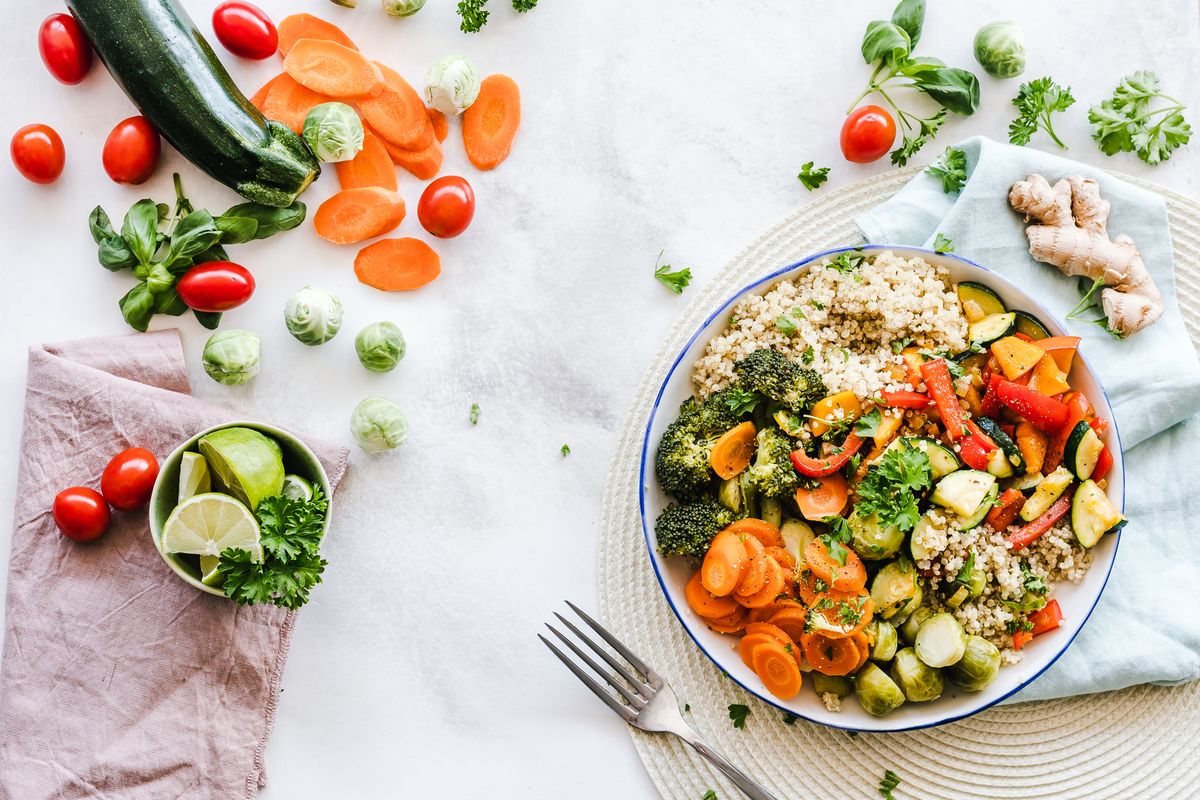
I have spent years helping people navigate nutrition advice, and few topics generate more confusion than anti-inflammatory eating. The term gets applied to everything from celery juice to elaborate elimination diets, and the marketing often runs far ahead of the evidence. Here is the honest assessment of what chronic inflammation actually is, which foods the research consistently identifies as problematic, and what an anti-inflammatory eating pattern looks like in practice.
What Chronic Inflammation Actually Is
Inflammation has two distinct forms that are frequently confused in nutrition discussions. Acute inflammation is the short-term immune response to injury or infection — the redness, swelling, and heat that appear when you cut your finger or fight off a cold. This is a healthy, necessary process. Chronic low-grade inflammation is different — a persistent, low-level activation of the immune system that does not resolve because there is no acute injury to resolve. Research consistently associates chronic inflammation with cardiovascular disease, type 2 diabetes, certain cancers, and neurodegenerative conditions. The key markers used to measure it: C-reactive protein (CRP), interleukin-6, and tumor necrosis factor-alpha are the most commonly studied in nutrition research. The relationship between diet and these markers is real and measurable, though the effect sizes are modest compared to medications and vary significantly between individuals.
Foods With Consistent Evidence for Inflammatory Effects
Ultra-processed foods are the dietary pattern most consistently associated with elevated inflammatory markers across multiple large prospective studies. The mechanism appears to involve multiple pathways: high refined carbohydrate content drives glucose spikes and insulin responses that promote inflammatory signaling; industrial seed oils high in omega-6 fatty acids shift the omega-6 to omega-3 ratio in ways that favor inflammatory eicosanoids; emulsifiers and food additives appear to disrupt gut microbiome composition in ways that promote intestinal permeability. Trans fats — partially hydrogenated oils — have among the strongest evidence for pro-inflammatory effects and are largely banned in the US and EU, but remain in some products at sub-0.5g per serving levels. Refined sugar and high-fructose corn syrup in large quantities consistently elevate uric acid and inflammatory markers in intervention studies, though moderate amounts show less consistent effects. Excess alcohol — more than one to two drinks daily — reliably elevates inflammatory markers; moderate consumption shows mixed results depending on beverage type and individual factors.
Foods With Consistent Evidence for Anti-Inflammatory Effects
Fatty fish (salmon, sardines, mackerel, herring) contain EPA and DHA — omega-3 fatty acids that are incorporated into cell membranes and serve as precursors to anti-inflammatory signaling molecules. Two to three servings weekly is the amount associated with measurable CRP reductions in intervention studies. Extra virgin olive oil contains oleocanthal, a compound that inhibits the same inflammatory enzymes (COX-1 and COX-2) as ibuprofen, though at much lower potency per serving. Mediterranean diet research consistently associates olive oil as the primary fat source with lower cardiovascular disease risk and inflammatory markers. Colorful vegetables and fruits provide polyphenols — plant compounds including flavonoids, anthocyanins, and resveratrol that have anti-inflammatory properties in cell and animal studies. The human evidence is less clean but consistently directional: higher fruit and vegetable intake associates with lower inflammatory markers across diverse populations. Fermented foods — yogurt, kefir, kimchi, sauerkraut, kombucha — appear to reduce inflammatory markers through their effects on gut microbiome diversity, according to a 2021 Stanford randomized trial that directly compared fermented foods to high-fiber diets.
What an Anti-Inflammatory Eating Pattern Actually Looks Like
The Mediterranean diet has the most robust evidence base for anti-inflammatory effects of any defined dietary pattern — it is the one dietary pattern that major health organizations consistently endorse based on the totality of evidence. It is not a strict prescription but a general pattern: olive oil as the primary fat, abundant vegetables and legumes, moderate fish intake, limited red meat, whole grains, and moderate wine consumption for those who drink. The practical translation: most of your plate should be vegetables and legumes, fish two to three times weekly, olive oil as your main cooking fat, and processed foods minimized rather than eliminated. The latter distinction matters — the research does not support eliminating occasional processed foods; it supports patterns dominated by whole and minimally processed foods.
Honest Bottom Line: Chronic inflammation is real, measurable, and associated with major disease risks. The dietary factors with the most consistent evidence for pro-inflammatory effects: ultra-processed foods, trans fats, excess refined sugar, and excess alcohol. The factors with the most consistent anti-inflammatory evidence: fatty fish (EPA/DHA), extra virgin olive oil, colorful produce, and fermented foods. The overall pattern with the most robust evidence base is the Mediterranean diet. The effect sizes are real but modest — diet is one of multiple inflammation drivers alongside sleep, stress, and physical activity.

Sarah Mitchell is a health and wellness writer with a background in nutritional science and clinical psychology. With 8 years of experience translating complex medical research into actionable guidance, she covers eviden...


![Gut Health [2026]: What the Microbiome Research Actually Shows vs What Is Being Sold](/img/posts/gut-health-honest-guide-2026-99b2ba1a.jpg)